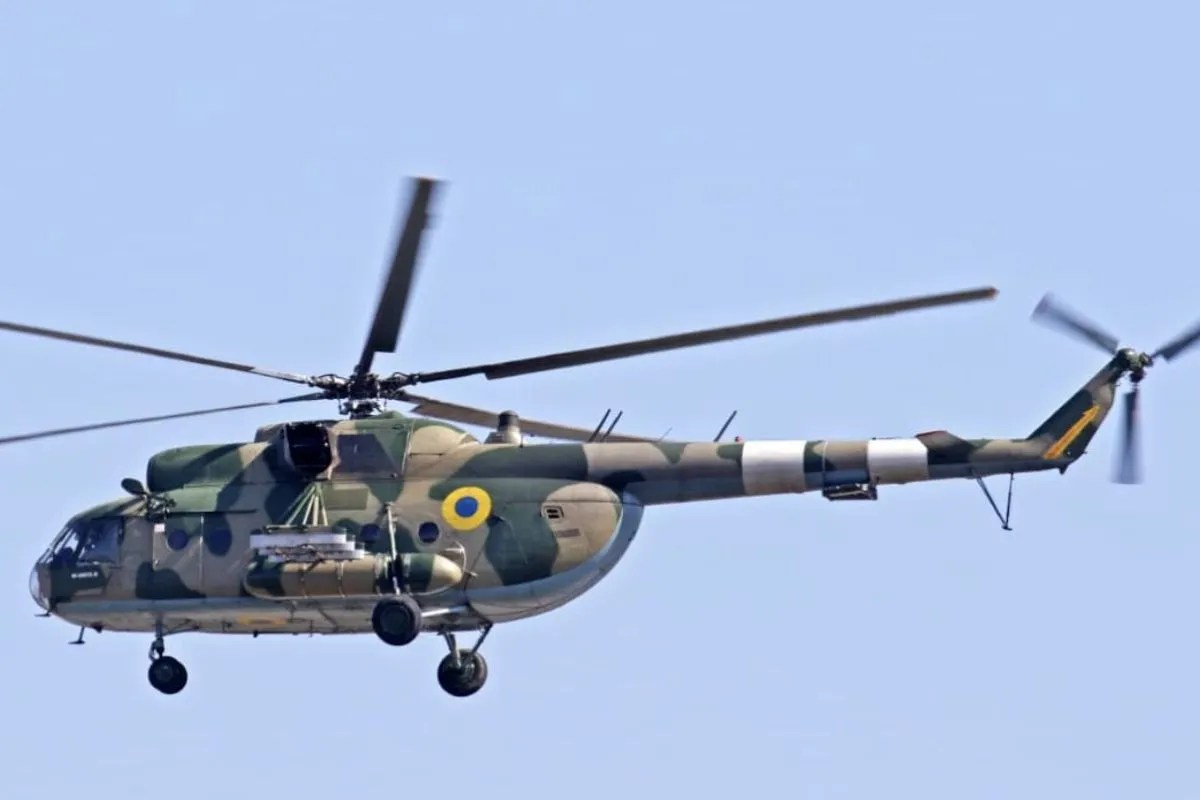
Forty-two seconds. That is all it took for a Russian Mi-8 military helicopter to cross into Polish airspace, breach NATO borders, and send an immediate shockwave across European capitals.
Most people brush off minor border violations as mere navigational errors or routine posturing. They are wrong. When a foreign military aircraft punches three hundred meters deep into a sovereign European nation's territory, it is a deliberate stress test. Moscow isn't just probing radar responses; they are testing how fast political wills fracture under sudden pressure.
Located right next to the heavily militarized Russian exclave of Kaliningrad, Poland has lived on a razor's edge since the escalation of the Russia-Ukraine war. This latest incident isn't an isolated accident. It is part of a calculated pattern designed to exhaust air defense crews, stretch surveillance resources, and gauge NATO's collective reflex.
The Anatomy of a Border Probe
Let us look at what actually happened during those tense moments. The Mil Mi-8 helicopter crossed the border, lingered briefly, and turned back before ground-based assets could intercept it directly. Yet, the Polish Operational Command didn't sit on their hands. Fighter jets scrambled into the air almost instantly, and ground forces went on high alert.
You see, modern airspace defense isn't just about shooting things down. It is about speed, telemetry, and psychological deterrence. Poland's rapid reaction proved their military readiness is sharp. But it also exposed an unsettling reality. Borders surrounded by active conflict zones are porous, and forty-two seconds is plenty of time for electronic intelligence-gathering pods to map defensive radar frequencies.
Why does Kaliningrad matter so much here? It functions as an unsinkable aircraft carrier for Russia, bristling with advanced missile systems and electronic warfare units right in Europe's backyard. Every time a Russian asset drifts across a NATO frontier, military planners in Warsaw, Berlin, and Brussels hold their breath.
The Broader European Anxiety
Europe's unease isn't theatrical; it is structural. Ever since the conflict in Ukraine escalated into a full-scale war of attrition, eastern flank countries like Poland, Romania, and the Baltic states have dealt with stray missiles, anonymous drones, and frequent GPS jamming.
When you normalize these small incursions, you set a dangerous precedent. Today it is a 42-second helicopter flight. Tomorrow it could be something much worse. NATO's Article 5 relies on collective defense, but gray-zone provocations sit right in that frustrating legal and tactical blind spot. They are designed to stay just below the threshold of triggering a major war, leaving allies scrambling to formulate a proportional response.
Poland has repeatedly demanded tougher regional air shields and immediate countermeasures against provocative flights. You cannot blame them. When your neighbor is actively rewriting European security norms with artillery and air raids, every blip on the radar screen demands absolute vigilance.
What Happens Next
Moscow wants NATO countries to suffer from fatigue. They want the public to stop caring about minor border violations so that larger actions encounter less resistance.
Don't fall into that trap. The reality on Europe's eastern border is growing more volatile, not less. As long as the war in Ukraine drags on, expect more probing maneuvers, more electronic warfare games, and more nerve-wracking moments in the skies over Central Europe.
Keep your eyes on how NATO adapts its rapid-response protocols in the coming weeks. Because the next time a helicopter crosses that line, the response might not be just scrambling jets. It might be the spark nobody wants.