When a football club transforms an entire city's landscape, you don't just look at the trophies on the shelf. You look at the cranes in the sky, the regenerated industrial east, and the billions pumped into local infrastructure. Greater Manchester Mayor Andy Burnham recently spoke up about what happens next if Manchester City's current owners decide the legal and regulatory warfare simply isn't worth the trouble. Honestly, he has every right to feel anxious.
The independent commission's verdict on Manchester City's financial rule breaches has sent shockwaves from the Etihad Stadium down to Westminster. With an independent football regulator now watching closely and potential sanctions hanging in the balance, the future of state ownership in English football is at a major crossroads. You're looking at a situation where political legacy, local economic growth, and elite sport collide head-on.
The Local Footprint Beyond the Pitch
People outside Greater Manchester often forget what East Manchester looked like back in 2008. It wasn't a global tourism hub. It was an area scarred by post-industrial decline, empty lots, and limited economic mobility.
When Sheikh Mansour and the Abu Dhabi United Group took over, they didn't just buy a football team. They signed up as civic partners. They built the Etihad Campus, invested heavily in local community facilities, and collaborated directly with local authorities to regenerate a neglected corner of the North West.
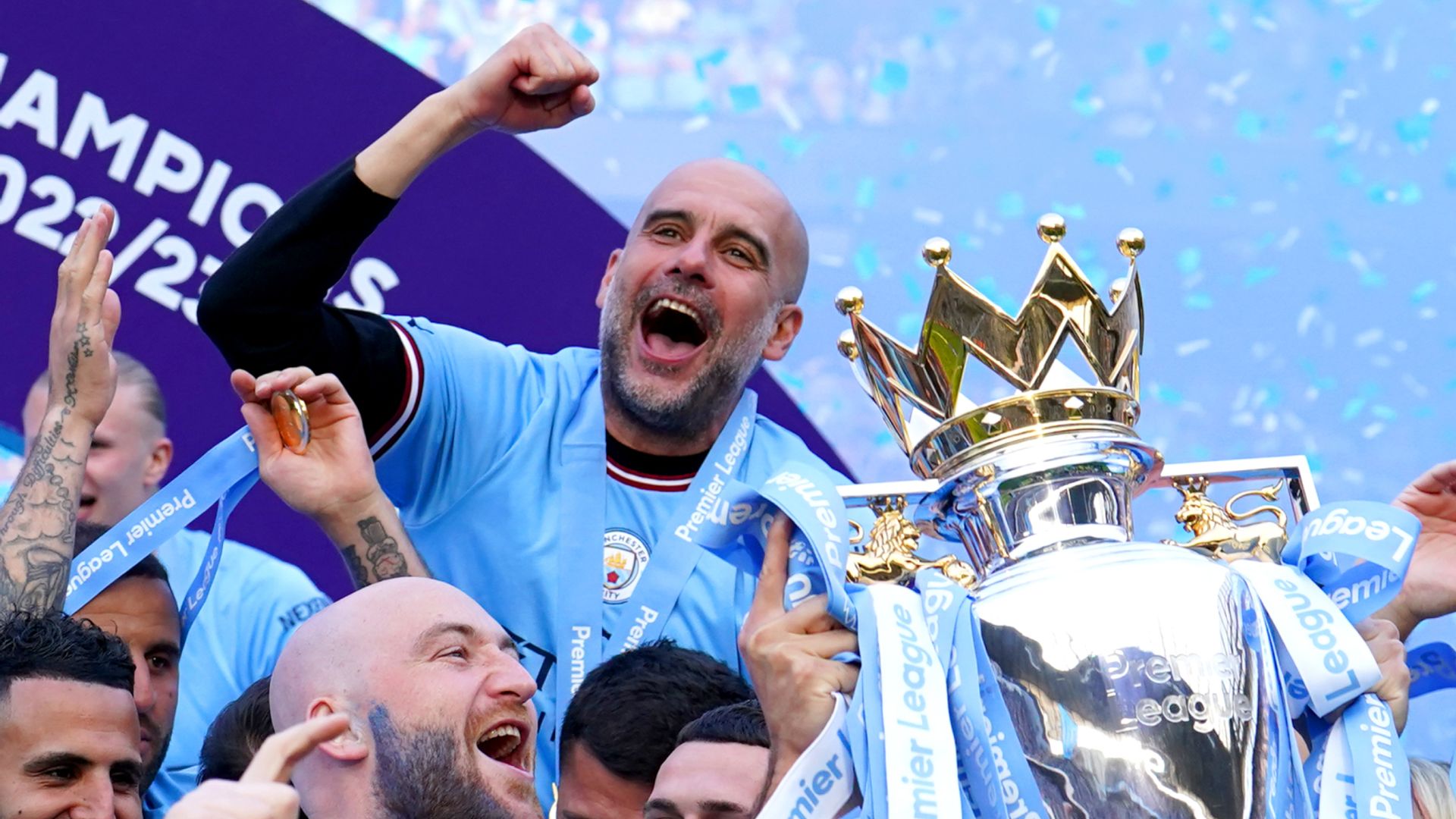
Burnham's warning isn't just about losing world-class midfielders or Pep Guardiola on the touchline. It's about an anchor investor pulling out of regional development projects. If state-backed ownership decides to pack its bags because of regulatory hostility, the financial vacuum left behind won't just hurt the club. It will stall ongoing community regeneration projects that local government relies on private capital to deliver.
The Regulatory Squeeze and the Precedent Problem
Let's look at the bigger picture. The Independent Football Regulator, established by the government, now faces its first massive stress test. The regulator has hinted at examining whether owners found guilty of systematic rules breaches should pass the updated owners' and directors' test.
That creates a fascinating legal and diplomatic dilemma. If a regulator forces out foreign state-backed owners, what message does that send to international investors across the Premier League?
On one hand, rules must apply equally to everyone, whether you're backed by a local consortium or a sovereign wealth fund. Accountability matters. On the other hand, the Premier League is a multi-billion-dollar global export largely propped up by foreign ownership models. Kick out one major state-backed entity, and you trigger a chain reaction that alters how international capital views the entire English football pyramid.
What Happens If They Sell Up
If the pressure becomes too high and the ownership group chooses to exit, who actually buys a club of that size?
You're talking about a valuation that runs into billions of pounds. Very few domestic buyers or traditional business tycoons have that kind of liquid capital. A sale would likely necessitate another consortium, potentially US private equity or another sovereign fund.
Private equity brings its own set of headaches. You often see leveraged buyouts, increased ticket prices, and a hyper-focus on short-term monetization rather than long-term community stewardship. Ask fans of clubs currently run by US investment funds how they feel about modern football economics. They aren't always jumping for joy. The devil you know often looks safer than the private equity vulture you don't.
The Path Forward for English Football
English football is caught between two competing desires. Fans want absolute financial fair play and strict rule enforcement. At the same time, everyone wants their club to spend freely, compete in the Champions League, and sign elite global superstars. You can't easily have both without hitting massive contradictions.
The upcoming appeal deadline and the subsequent sanctions hearing will dictate the tone for the next decade of the sport. City are expected to fight every single charge vigorously, meaning this legal saga has plenty of chapters left.
If you care about the health of the game, stop looking at this merely as a tribal football feud between rival supporters. Look at it as a structural stress test for how modern infrastructure, regional economics, and global sports governance intertwine. Andy Burnham sees the concrete reality on the ground in Manchester. Policymakers in London would do well to listen to his warning before regulatory zeal breaks more than just the rules.