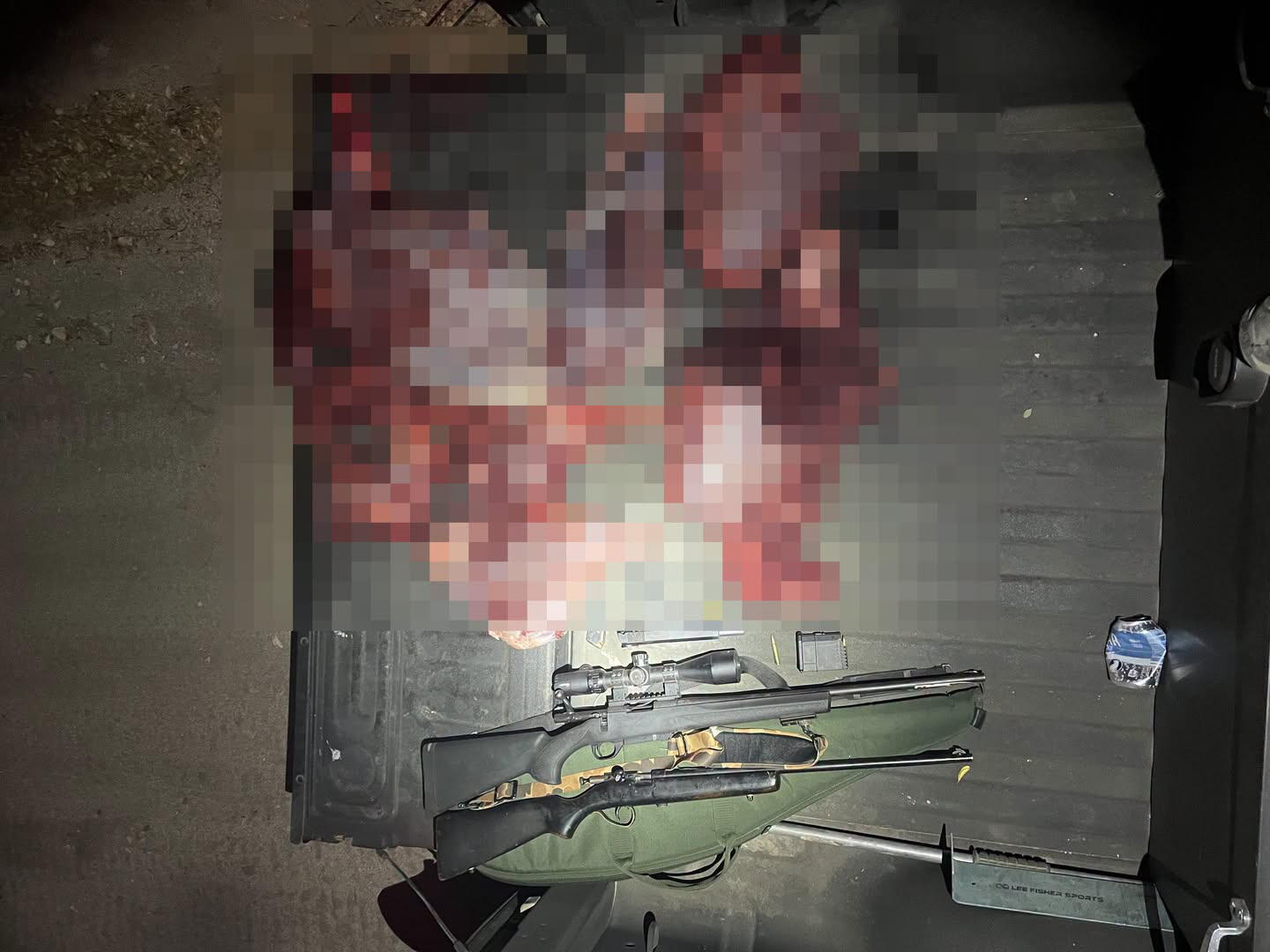
When California Department of Fish and Wildlife officers stopped two vehicles cutting through the dark of Angeles National Forest, they didn't find lost campers or late-night hikers. They found three individuals with blood dripping from their hands and clothes, two freshly killed female deer stuffed into black trash bags, and spotlights rigged for illegal night hunting.
The September 2026 bust exposes a persistent wildlife crime problem hidden just minutes away from millions of urban residents. If you assume illegal hunting only happens in remote wilderness areas far from civilization, you're missing how opportunistic poachers operate right in the backyard of a major metropolis.
How Wildlife Officers Tracked Down the Suspects
The operation didn't happen by accident. For weeks leading up to the arrests, local residents reported suspicious activity, spotlighting beams cutting through the tree line, and the distinct crack of gunfire echoing across hillsides where firearms are heavily restricted or strictly prohibited during closed seasons.
CDFW wardens deployed strategic night patrols, gambling that the poachers would return to the same familiar terrain. That gamble paid off when officers spotted vehicles off-roading and shining high-intensity beams into the forest. Spotlighting temporarily blinds animals like mule deer, freezing them in place and making them easy targets. It violates state hunting regulations completely.
When officers pulled the vehicles over, the physical evidence was immediate. Beyond the bloody clothing, the search uncovered:
- Loaded firearms kept within easy reach inside the passenger compartments
- Active spotlights positioned for quick deployment
- Two headless female deer carcasses—one completely skinned and the other quartered
The suspects confessed on the spot, admitting they killed the animals illegally and tried to conceal the evidence in trash bags. Officers seized the weapons, the venison, and the vehicles, booking the trio on multiple violations including unlawful take of female deer, hunting without licenses or tags, possessing untagged meat, and carrying loaded firearms in a vehicle.
Why Urban Proximity Fuels Poaching Pressure
Angeles National Forest spans over 700,000 acres, directly abutting sprawling suburban neighborhoods across Los Angeles County. That extreme interface creates a unique law enforcement nightmare. Poachers take advantage of the vast, rugged canyons, assuming that limited warden staffing means they can slip in and out undetected under the cover of night.
Unlike remote federal lands in Northern California or the Rocky Mountains, Southern California forests experience massive recreational pressure. Wildlife populations here already face severe ecological stress from habitat fragmentation, devastating wildfires, and prolonged drought cycles. Illegal poaching of breeding-age female deer punches a direct hole into local herds that struggle to rebound naturally.
Most people don't realize that wildlife crime rarely looks like the romanticized literary image of a lone subsistence hunter bagging a single buck. Modern poaching often involves organized disregard for bag limits, seasonal closures, and basic ethics. Decapitating and quartering carcasses on public land isn't just about harvesting meat; it's an active attempt to evade checkpoints and hide illegal kills from game wardens before transporting the contraband back to city streets.
What You Can Do to Stop Illegal Hunting
State wildlife agencies rely heavily on public vigilance because game wardens cover massive geographic territories with minimal personnel. If you recreate in local canyons or live near the wildland-urban interface, you have a direct role to play in protecting regional ecosystems.
Notice the warning signs of illegal hunting:
- Spotlights scanning timber or ridgelines after sunset
- Gunshots ringing out in unapproved areas or during closed hunting seasons
- Unattended vehicles parked in remote turnouts late at night
- Fresh animal remains dumped carelessly near trails or fire roads
If you spot suspicious activity, don't confront individuals who may be armed. Note vehicle descriptions, license plate numbers, and exact locations, then report them immediately to the California Department of Fish and Wildlife’s CalTIP hotline at 1-888-334-2258. Your anonymous call gives wardens the exact intelligence needed to shut down illegal operations before local wildlife populations pay the ultimate price.