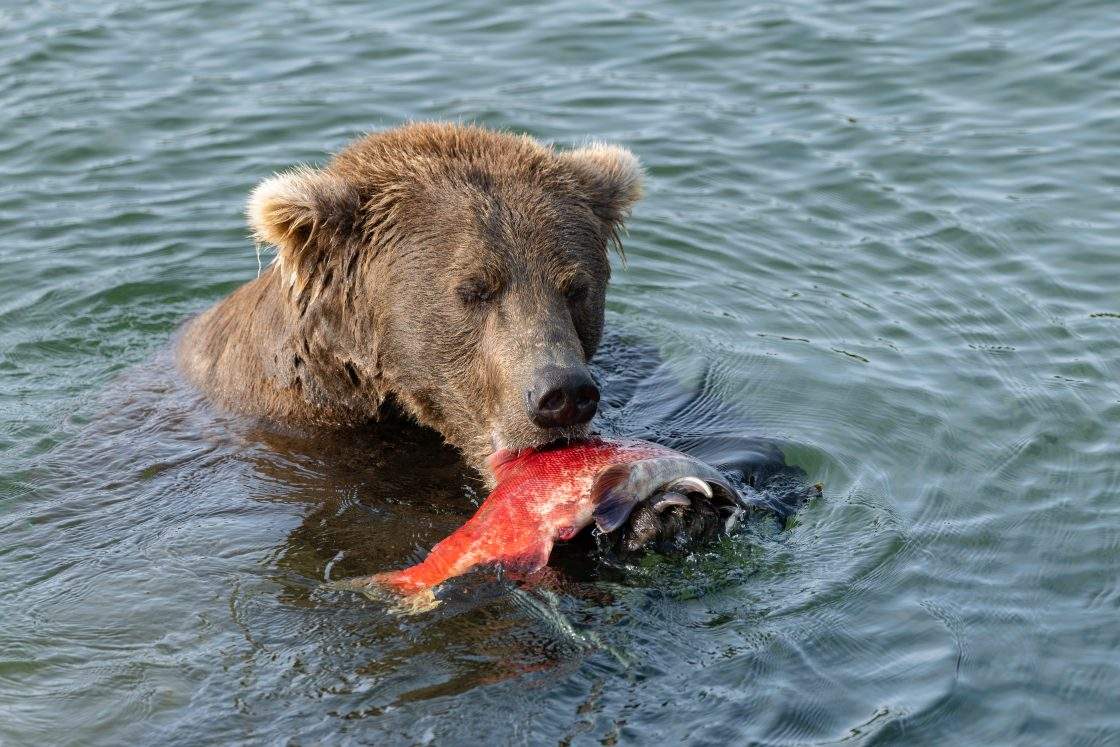
Forget reality TV drama. Every autumn, the internet tunes into something infinitely better: giant brown bears competing in a bracket-style tournament of pure, unadulterated weight gain. This year, the votes are officially counted, and a new heavyweight king sits on the throne. Bear 89, better known as Backpack, took home the crown for Fat Bear Week.
He didn't do it by being a bully. While other bears brawl over prime fishing real estate at Brooks Falls in Alaska's Katmai National Park, Backpack plays it cool. He uses quiet strength. He sits on a rock downstream, takes in the scenery, and lets the sockeye salmon come to him. More than 100,000 people voted for his peaceful approach, pushing him past tough contenders and solidifying his place in wildlife history.
If you're wondering why millions of people care about a bunch of oversized bears getting ready for a nap, you're missing the point. Fat Bear Week started back in 2014 as a simple way to educate the public about the fragile ecosystem of the Alaska Peninsula. It quickly turned into a global phenomenon. It works because it combines conservation science with brackets, trash talk, and absolute unit appreciation.
The Royal Lineage of Bear 89
Backpack isn't just any random bear wandering the wilderness. He comes from absolute royalty. He is the son of Holly, a former Fat Bear Week champion who knows a thing or two about dominating the competition. Backpack earned his iconic name because he used to climb right onto his mother's back when they went swimming together.
Seeing him go from a tagalong cub to a massive, solo-roaming champion feels like watching a sports dynasty play out in real time. He edged out 16 other bears this year, including heavy-hitting adult males and fierce single females, proving that you don't need to terrorize the river to pack on the pounds.
What Hyperphagia Actually Looks Like
Let's talk about the biology here, because what these brown bears pull off every year is staggering. By the time autumn hits, bears enter a state called hyperphagia. Their entire biological drive shifts into a relentless, round-the-clock eating machine.
Adult male brown bears usually sit at a respectable 600 to 900 pounds in the midsummer months. By the time they finish gorging on up to 30 salmon a day, those same males can tip the scales at well over 1,000 pounds. Females run about a third smaller, but their dedication to the bulk is just as fierce.
They are cramming an entire year's worth of calories into roughly six months. Why? Because winter hibernation in Katmai is no joke. Once they hole up for the cold months, they won't eat, drink, urinate, or defecate for half a year. Every single pound of fat Backpack gained on that riverbank is literal life insurance against the brutal Alaskan winter.
The Rising Generation at Brooks Camp
Park Superintendent Mark Sturm pointed out something exciting during this year's kickoff. Brooks Camp was crawling with more cubs than park rangers had seen in a long time. A fresh crop of future heavyweights is learning the ropes right now, watching seasoned pros like Backpack master the art of the salmon catch.
Last year's winner, Chunk, got dethroned early by Bucky, showing just how unpredictable this tournament can get. But Backpack kept his composure, stayed out of unnecessary turf wars, and trusted his strategy.
Next time you feel stressed about your diet or fitness goals, just remember Backpack. He spent months eating thirty fish a day, sat on a rock like a absolute boss, and won the affection of the entire planet without breaking a sweat. Winter is coming, and Katmai's heavyweight champion is more than ready for his long winter's nap.