When Western capitals hear Beijing talk about a "strategic relationship," diplomats and pundits usually reach for their security manuals. They assume it is code for covert maneuvering, chess pieces moving across an Asian board, or long-term containment.
They are missing the point entirely.
If you look past the standard foreign policy panic, the word "strategic" in Chinese official speak functions less like a threat and more like a massive anchor. It is a deliberate signal meant to filter out the noise of daily squabbles and focus both sides on long-range stability.
Let's break down why this vocabulary matters and what Beijing is actually trying to communicate when it dusts off the term.
The Diplomatic Ladder of Partnerships
Beijing doesn't throw around descriptive labels randomly. There is an actual hierarchy of diplomatic ties that helps us decode what state visits and joint communiqués really signal.
At the baseline, you have ordinary bilateral relations. Move up a notch, and you find simple "strategic partnerships." Near the top sit the "comprehensive strategic partnerships"—a designation Beijing shares with heavyweights like Brazil, France, Indonesia, Egypt, and Saudi Arabia.
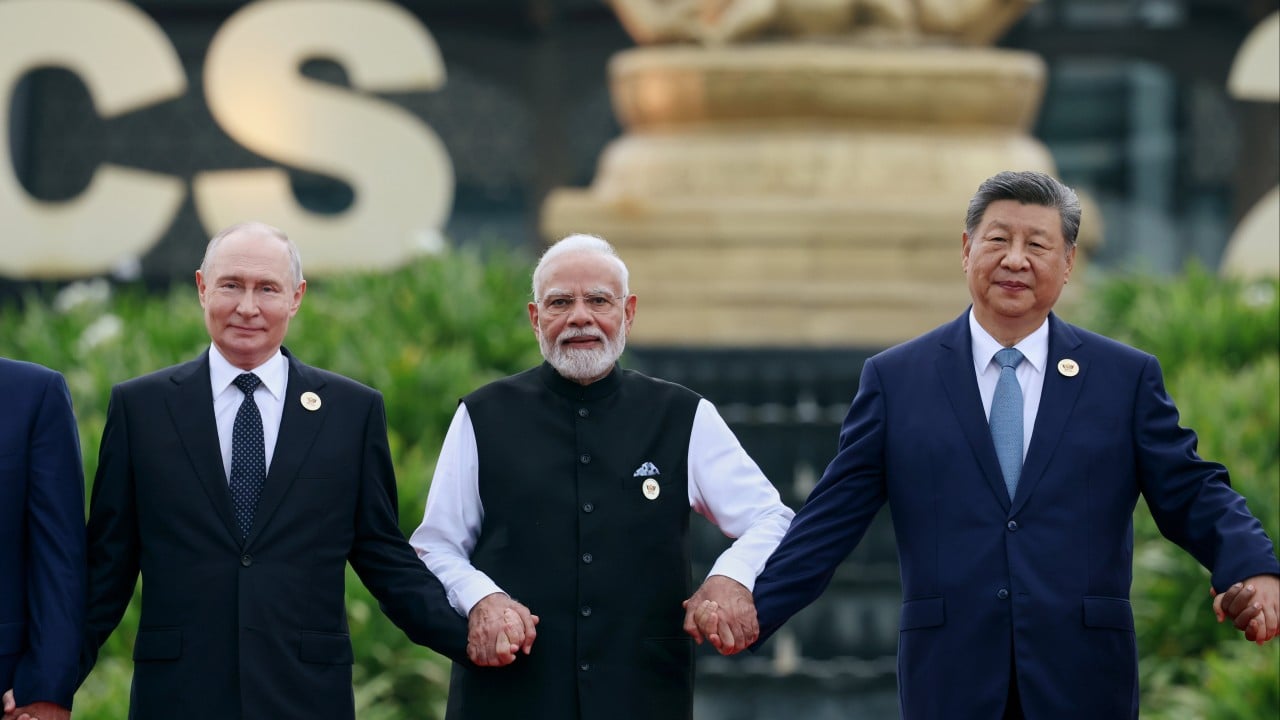
When President Xi Jinping uses the term during high-profile meetings—such as his discussions with Indian Prime Minister Narendra Modi—he isn't drafting a military pact. He is essentially pressing a psychological reset button. The underlying message is simple: stop letting minor border disputes or trade friction dictate the entire ceiling of our relationship.
Patience Over Punchlines
Western foreign policy often operates on a four-year electoral cycle. Leaders want quick wins, immediate trade concessions, and flashy headlines they can take back to voters.
Beijing plays a completely different calendar. When officials call a project or a bilateral tie "strategic," they are signaling endurance. They mean they are willing to absorb short-term friction, absorb economic shocks, and wait out political administrations that might hostilely shift tone tomorrow.
Think about how this plays out in the Global South. Investments in ports, energy grids, and mineral supply chains take decades to pay off. By framing these ties through a strategic lens, Beijing tells local leaders that capital won't vanish when a new government takes office. That kind of predictability carries immense weight in developing economies tired of erratic foreign aid.
Moving Past the Threat Matrix
The biggest trap analysts fall into is assuming that every cooperative gesture from China is zero-sum. If Beijing partners with a nation, Western commentators immediately ask how it hurts American or European interests.
Yet, the Chinese definition of a strategic partner explicitly emphasizes mutual benefit and shared opportunities rather than exclusive blocs. It is an invitation to look past immediate rivalries. Whether that invitation is accepted depends entirely on how paranoid the other capital happens to be on any given Tuesday.
Stop reading Machiavellian conspiracy theories into standard diplomatic phrasing. When Beijing says it is being strategic, it basically asks everyone in the room to take a deep breath, look at the fifty-year horizon, and stop sweating the daily headlines.