State-run newspapers in Beijing are working overtime to push a single narrative ahead of this week's high-stakes meeting in Washington. They want calm. Front-page editorials in outlets like the People's Daily are hammering home the concept of "constructive strategic stability" as the ultimate antidote to bilateral friction.
If you look past the standard diplomatic phrasing, the underlying message is clear. Both capitals want to avoid a total breakdown in communication, even as deep structural conflicts over trade, technology, and regional security continue to boil.
The Real Agenda Behind the Buzzwords
Every time official organs in China lean heavily on terms like stability, they are trying to box in Washington's more hawkish elements. The strategy is straightforward. By framing bilateral relations around a shared need for predictability, Beijing hopes to lock down trade truces and prevent sudden escalations over flashpoints like Taiwan.
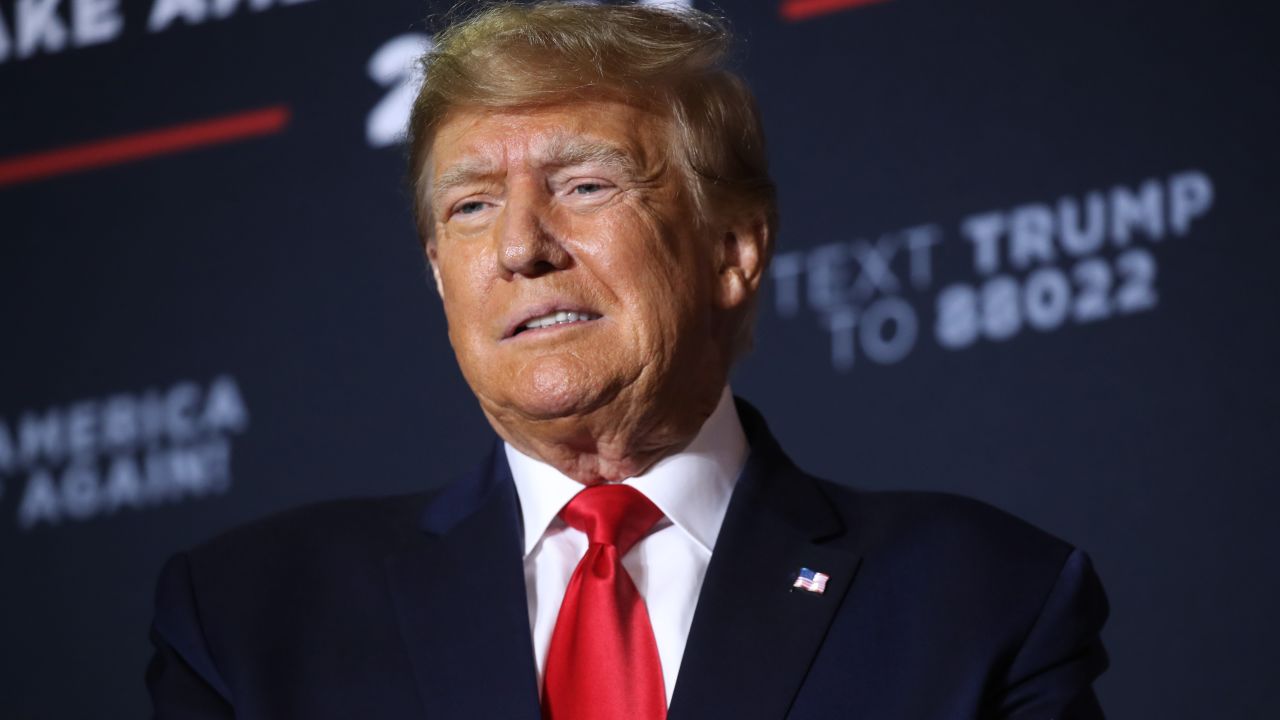
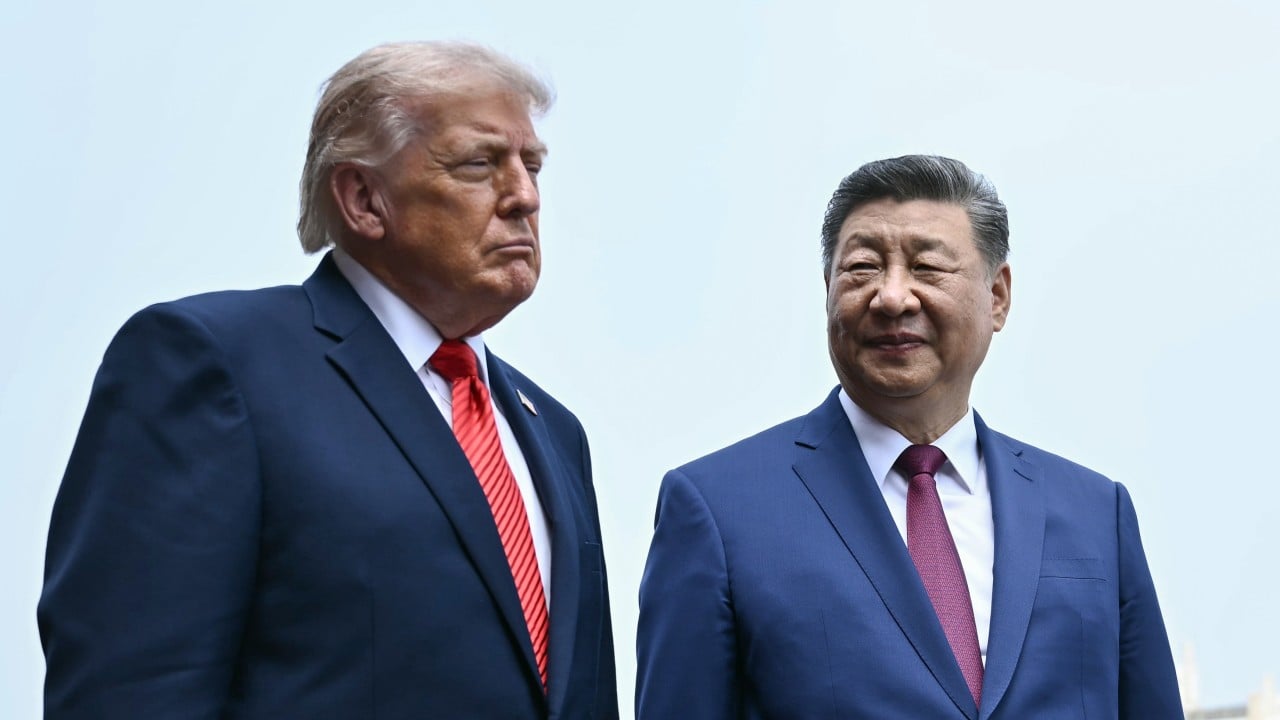
The timing is far from random. Ahead of the summit between Chinese President Xi Jinping and US President Donald Trump, negotiators have been quietly grinding through preliminary talks in New York. They are tackling everything from agricultural purchases—such as massive soybean orders—to emerging frameworks for artificial intelligence governance.
Yet beneath the surface calm, major disputes remain unresolved. Washington keeps pushing for strict reciprocity on market access and complaining about rare earth export controls. Meanwhile, Beijing views any tightening of US support for Taiwan as a direct violation of red lines.
Escaping the Zero-Sum Trap
Chinese commentary leading up to the summit has taken direct aim at Western historical frameworks, specifically rejecting the old idea of the Thucydides Trap. State media analysts argue that assuming a rising power and an established hegemon are destined for military conflict is a lazy, zero-sum narrative.
Instead, Beijing wants to establish back-to-back multilateral touchpoints—pointing toward upcoming gatherings like the Apec summit in Shenzhen and the G20 in Miami—as mechanisms for long-term coordination. They want a predictable rhythm of dialogue that survives domestic political shifts in the United States.
For Trump, who faces persistent public frustration over inflation and foreign entanglements like the ongoing war involving Iran, securing economic wins and quiet management of geopolitical rivals carries heavy appeal. That domestic pressure creates a window for temporary compromises.
What Actually Matters in the Room
When the delegations sit down behind closed doors, ignore the public posturing. Watch for three concrete outcomes.
First, check the status of the tariff truce. The temporary relief agreed upon after their meeting in Beijing faces an upcoming expiration date. If both sides agree to extend the freeze through the end of Trump's term rather than a short six-month band-aid, the stability narrative actually worked.
Second, look closely at the announced parameters for artificial intelligence talks. Both superpowers recognize the existential risks tied to advanced automated systems, but they disagree fundamentally on whether guardrails should be used to freeze out competitors.
Third, keep an eye on supply chains for critical minerals and aerospace orders. Beijing holds massive leverage through its dominance over rare earth refining, while Washington holds leverage through technology controls.
Stability makes for a nice headline, but transactional bargaining decides the outcome. Watch the specific policy shifts rather than the rhetoric.