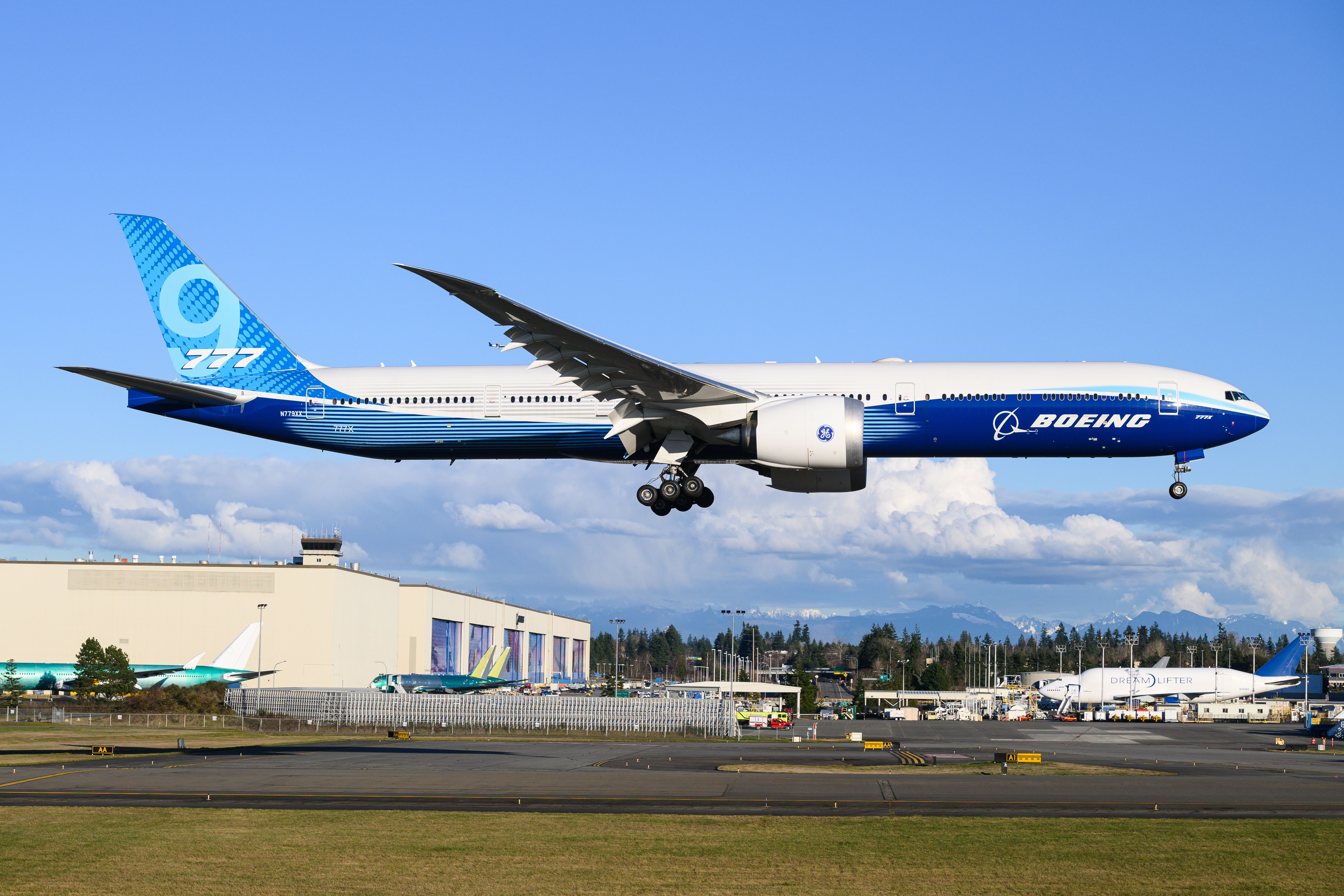
Two aviation giants want your attention, but the real story is happening in Dhaka. Biman Bangladesh Airlines is revamping its fleet, and the corporate wrestling match between Boeing and Airbus has turned into a high-stakes geopolitical chess game.
If you think this is just about selling a few commercial planes, you're missing the bigger picture. It's about diplomatic muscle, regional air dominance, and billions of dollars in state-backed contracts.
The Numbers Behind the Biman Fleet Upgrade
Let's look at the actual data. Biman currently operates a modest 19-aircraft fleet, and fourteen of those are Boeing models. It's a heavy Boeing house.
Yet, American manufacturer Boeing recently secured a massive commitment for 14 aircraft valued at $3.7 billion, slated for delivery between 2031 and 2035. Airline planners hint that another 11 planes could join that order, pushing the total to 25 new aircraft by 2040.
That sounds like a total knockout victory for the United States, right? Not quite.
European negotiators aren't packing up their bags. Airbus is still very much in the room, chasing an order for at least ten aircraft. French diplomats in Dhaka have made it clear that talks with Biman are grinding forward behind closed doors. European trade officials move deliberately to dodge regulatory slip-ups, which explains why Airbus refuses to bow out despite Boeing's early lead.
Why Washington Is Sweating the Details
Commercial aviation has never been purely commercial. It's statecraft with wings.
When Biman locked in its initial Boeing agreement, Washington didn't just file the paperwork and move on. US President Donald Trump sent a direct letter to Bangladesh Prime Minister Tarique Rahman, thanking him for the massive purchase and promising that "Boeing will not let you down."
Sergio Gor, US envoy on South and Central Asia affairs, didn't mince words either. He openly framed the deal as a major win for American manufacturing jobs.
When top political figures step into an airplane sale, the stakes shift from standard corporate procurement to bilateral loyalty. Bangladesh sits in a prime geographic spot in South Asia, flanked by massive emerging aviation markets in India and Southeast Asia. Controlling the flagship carrier's long-term maintenance infrastructure, pilot training programs, and spare parts supply chain locks an airline into a specific manufacturer's ecosystem for decades.
What Airbus Offers Instead
If Biman already leans heavily toward Boeing, why keep entertaining Airbus?
Diversification is the short answer. No airline CEO likes being held hostage by a single supplier's manufacturing bottlenecks or delivery delays. Boeing has faced well-documented production and regulatory headaches over the years. Spreading risk across two manufacturers gives Biman commercial leverage.
Airbus brings serious weight to the table with modern fuel-efficient widebody and narrowbody options that compete directly with Boeing's heavy hitters. European sales teams know they can't match an existing 70-percent fleet concentration overnight, so they play the long game. They pitch competitive financing packages, technical training partnerships, and diplomatic goodwill from Brussels and Paris.
The Long Road to 2040
Procuring twenty-five new planes isn't like buying cars off a dealership lot. Delivery slots stretch well into the next decade. Biman's management has to balance rising passenger traffic across domestic and international corridors against pilot shortages, training overhead, and crushing jet fuel expenses.
If you are watching how emerging market carriers scale up, pay close attention to Dhaka. The winner of this procurement showdown won't just supply airplanes. They'll shape South Asian air travel for the next thirty years.
Review your airline portfolios and watch the delivery schedules closely. The real battle for Biman's future is only getting started.