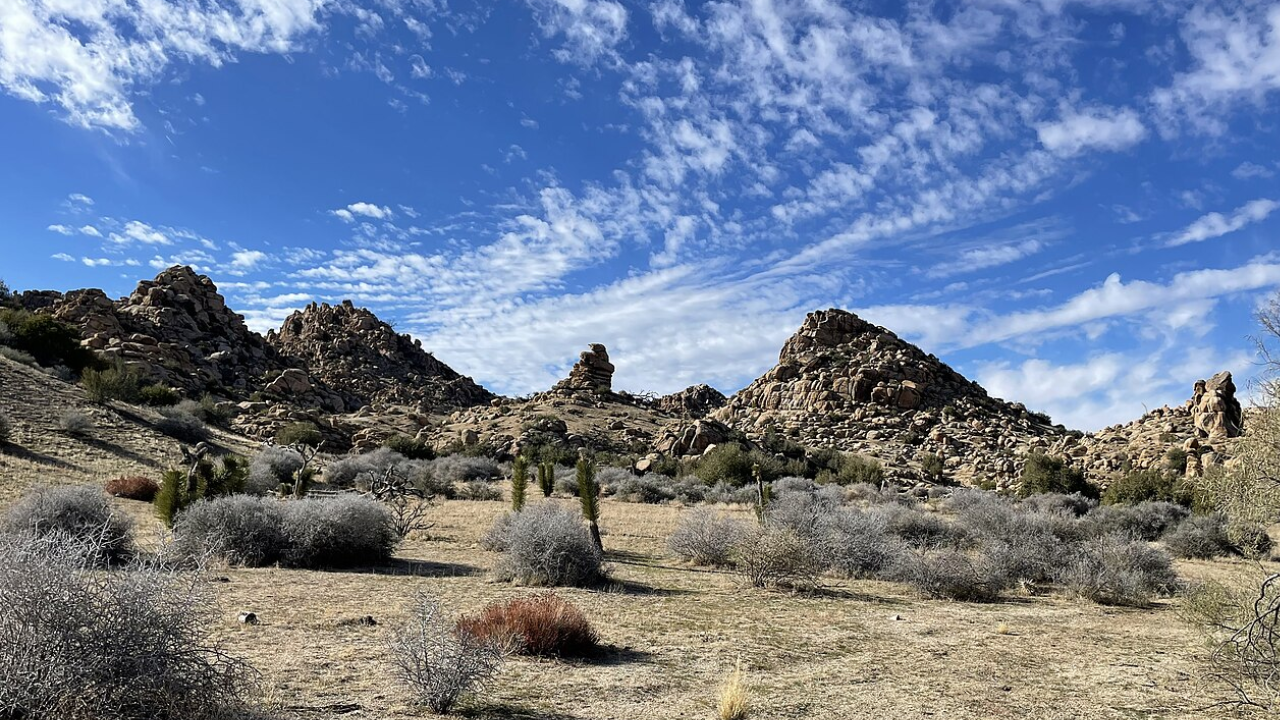
Deserts change faster than people think. Right now, a warming planet is shrinking the homes of some of California's most iconic desert plants.
State officials just shelled out cash to protect 640 acres northwest of Pioneertown in San Bernardino County. Why? Because climate projections show this specific parcel won't turn into a dust bowl. It's built to survive the coming heat.
If you care about keeping western Joshua trees around for the next century, this land grab matters. But it's also a fascinating look at how conservation is shifting toward hard science and tribal leadership.
The Real Threat to Western Joshua Trees
Most people assume Joshua trees can handle anything the desert throws at them. They look tough. They've stood guard across the Mojave and high deserts for millennia.
Reality check: they can't handle extreme, prolonged heat paired with severe drought.
Research shows that by the end of this century, a massive chunk of the species' current range will become completely unsuitable. Temperatures will climb too high. Rainfall patterns will shift past the breaking point. Seedlings won't survive their first dry summers.
That is why the California Department of Fish and Wildlife made this move. They aren't just buying random sand. They used climate modeling to find pockets of land where the microclimate offers a fighting chance. This 640-acre parcel near Pioneertown ranked near the top of Southern California's future survival zones.
How the Purchase Actually Happened
Conservation doesn't happen without funding. This land acquisition came straight from the Western Joshua Tree Conservation Fund.
The fund was established when the Western Joshua Tree Conservation Act became law back in July 2023. Whenever developers or project owners get permits to remove or impact western Joshua trees, they pay mitigation fees. Those fees pile up into a dedicated chest of money.
To date, the fund has reeled in over $23.5 million. This recent Pioneertown purchase brings the state's total conserved acreage for the species to 923 acres. State officials are actively eyeing another 2,500 acres.
Transparency matters here too. The state launched a public financial tracker so anyone can see where every dollar goes. You can check how money splits between land purchases, active habitat restoration, and ongoing management.
Tribal Co-Management Changes the Game
Buying land is only step one. Knowing how to care for it is another story entirely.
Instead of old-school bureaucratic management, California is partnering directly with the Native American Land Conservancy and local tribes. Michael Madrigal, president of the NALC and a member of the Cahuilla Tribe, visited the site and noted it holds some of the largest, healthiest Joshua trees he has ever seen.
Traditional ecological knowledge is driving the long-term stewardship plan here. Indigenous communities have managed these landscapes for generations. Bringing them into co-management isn't just a nod to history—it's a practical strategy for survival. Traditional burning, seasonal monitoring, and deep ecological literacy beat out-of-touch office policies every single time.
What Needs to Happen Next
Saving a few hundred acres won't stop climate change on its own. But it creates critical lifeboats.
If you live in California or own property near desert habitats, pay attention to local permitting rules and conservation fees. Compliance isn't just red tape; it feeds the fund keeping these ecosystems alive. Support native plant landscaping and push local leaders to prioritize science-backed habitat corridors over unchecked sprawl.
The western Joshua tree is a living anchor of the Mojave. Give it the right ground, and it just might outlast the heat.