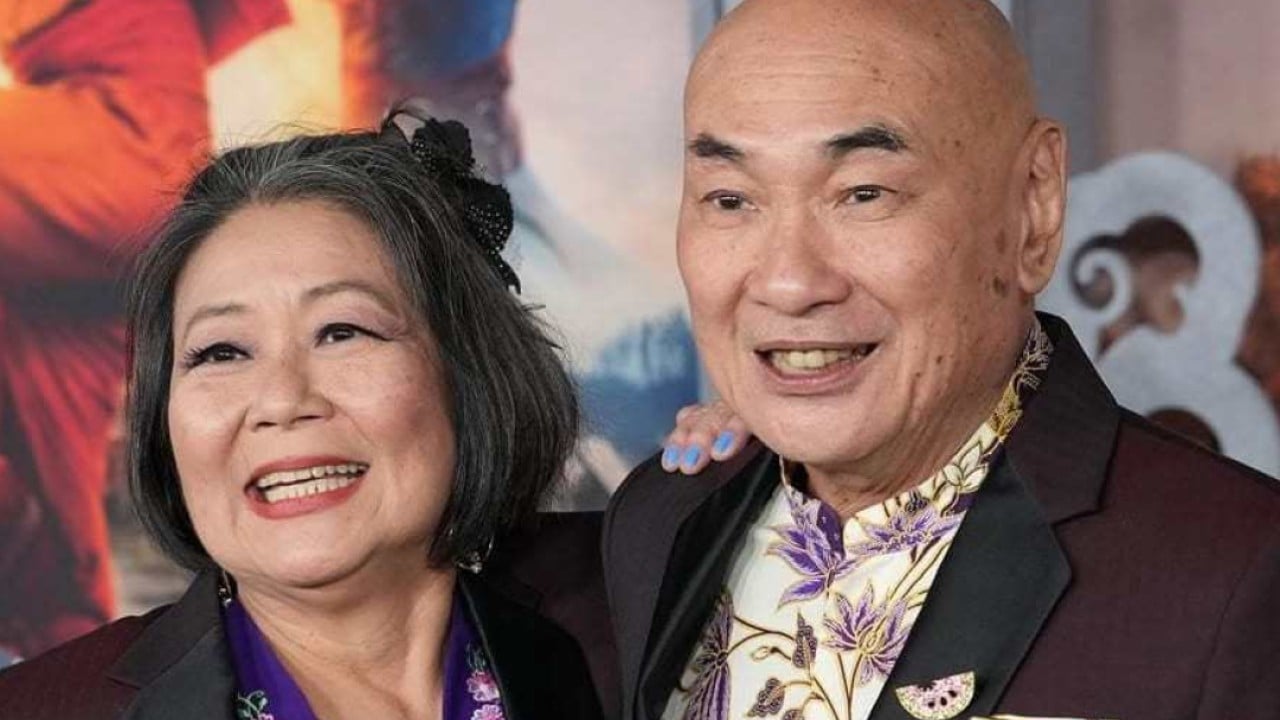
When beloved local television veterans find themselves facing criminal charges, the public takes notice. That's exactly what happened when veteran actors Lim Kay Siu and Neo Swee Lin—widely remembered by households across the region for their iconic roles in the hit sitcom Phua Chu Kang—were dragged into a high-profile legal battle over unauthorized public assemblies.
They weren't on a soundstage. They were standing outside Singapore’s State Courts and Changi Prison alongside prominent activists, drawing sharp lines around the city-state's fiercely guarded laws regarding public demonstrations and capital punishment advocacy.
If you've been wondering how strict assembly laws collide with high-profile cultural figures, this case lays out the reality. Let's break down what actually happened, why authorities drew the line, and what this means for free expression moving forward.
The Charges Behind the Headlines
Six individuals walked into the State Courts to face formal charges under Singapore's Public Order Act. Alongside Lim and Neo, the group includes prominent freelance journalist and activist Kirsten Han, along with fellow activists Annamalai Kokila Parvathi, Rocky Howe Wen Khong, and Ten Leu Jiun.
The core of the matter centers on two specific incidents:
- Five of the defendants allegedly participated in an unpermitted public assembly outside the State Courts on February 3, 2025, advocating for the abolition of the death penalty.
- Another defendant faced additional counts for attending unpermitted candlelight vigils outside Changi Prison in late 2024.
Under local laws, holding a public assembly in a prohibited area or without a police permit is an offense. Because several of these individuals had prior warnings or investigations for similar actions, prosecutors moved forward with criminal charges rather than issuing another warning. If convicted, offenders can face significant financial penalties or short prison stints.
Why Singapore’s Strict Public Order Laws Exist
Singapore doesn't treat public demonstrations lightly. The government maintains that maintaining public order and social cohesion takes priority over unvetted street protests.
Critics often argue that these rules stifle legitimate political discourse and human rights advocacy, particularly around sensitive topics like the mandatory death penalty for drug offenses. On the flip side, supporters of the legal framework point out that keeping civic spaces orderly prevents civil friction and preserves social stability.
When celebrities step into this arena, the stakes change instantly. Lim and Neo are household names. Their presence shifts an ordinary activist gathering into a massive media focal point, capturing attention across regional news networks and sparking intense online debates about artistic freedom versus civic duty.
The Ripple Effects on Local Culture and Activism
Celebrity involvement in social causes isn't new, but doing so within Singapore’s tightly regulated legal environment carries very real professional and personal risks. Artists who rely on public goodwill or government-backed media platforms suddenly find themselves navigating choppy waters when their personal convictions clash directly with state statutes.
For activists like Kirsten Han, these charges represent a familiar escalation in a long-standing friction between independent civil society and state regulations. For the wider public, it forces an uncomfortable conversation about where the boundaries of free speech lie when dealing with heavy legislative topics like capital punishment.
The legal proceedings have been adjourned, but the debate is far from over. Whether this crackdown deters other public figures from taking a public stand or simply fuels more underground resistance remains to be seen. Keep an eye on how the courts handle these ongoing hearings, because the outcome will set a definitive precedent for public dissent in the years ahead.