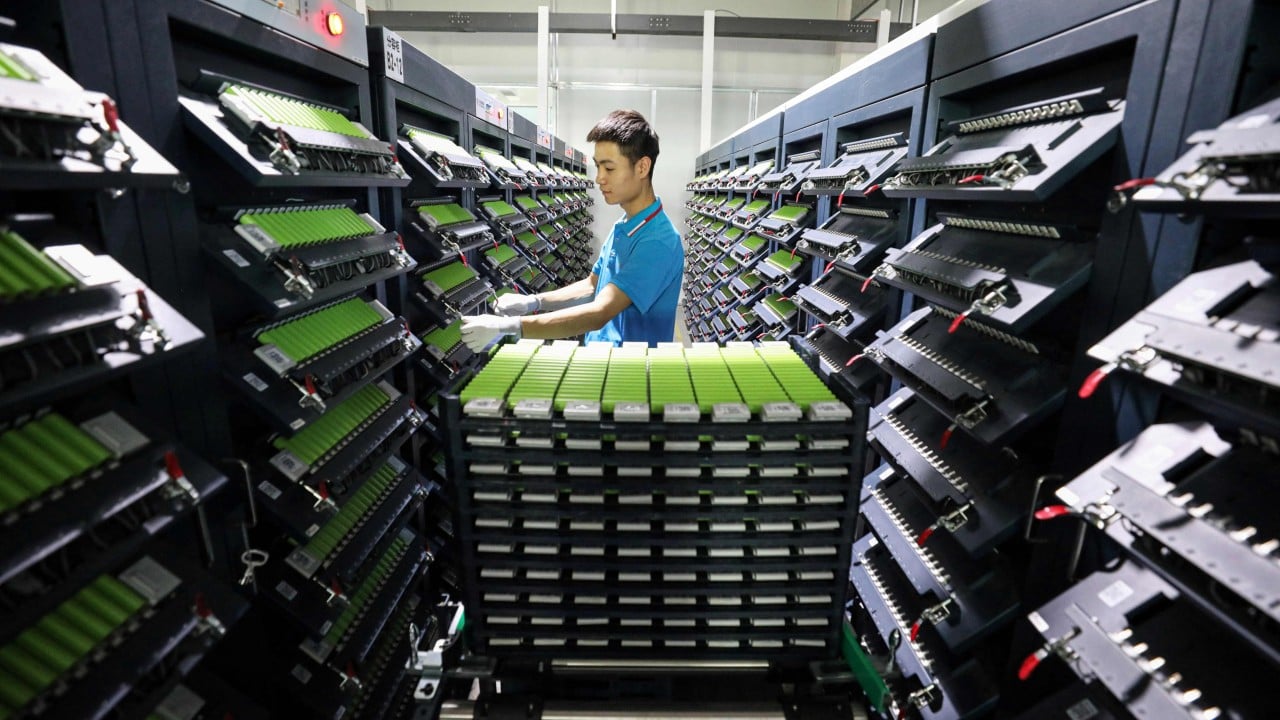
We've spent the last decade obsessed with lithium. Every conversation about the electric vehicle boom or grid storage circles back to digging up more lithium, processing more brine, and scrambling for supply chains. But while everyone's staring at the battery metal, industrial plants have quietly been throwing away something even scarcer.
Until now.
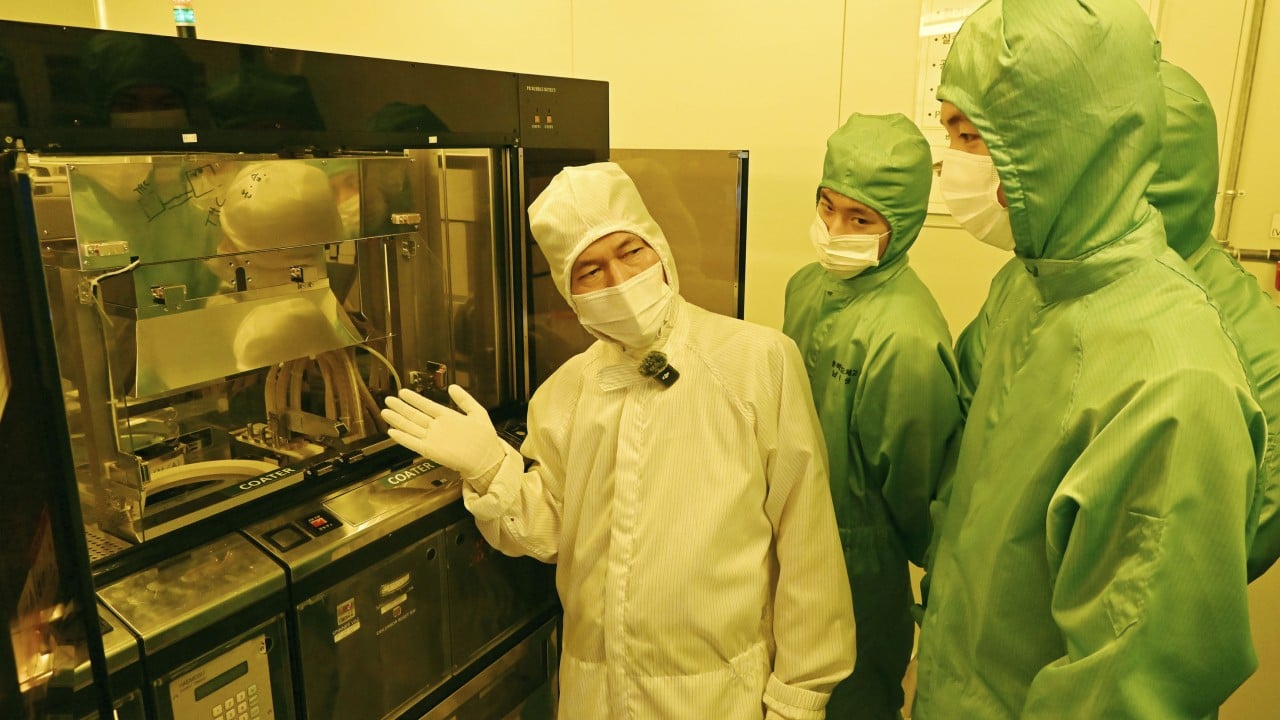
Researchers at the Chinese Academy of Sciences' Institute of Process Engineering just flipped the script. They launched the world's first industrial-scale plant designed to extract rubidium and caesium directly from lithium-processing waste. Located in Jiangxi province, this demonstration facility pulls off an annual capacity of 500 tonnes of these high-tech metals. More importantly, it forces the entire clean energy sector to rethink what constitutes "waste."
The Problem With Rare Metals
Rubidium and caesium sound like elements pulled from a science fiction textbook, but they're quietly running modern infrastructure. You'll find them in aerospace tech, quantum computing rigs, precision instruments, and next-generation solar cells. Without them, several frontier tech sectors grind to a halt.
Here is the catch: neither metal naturally occurs in large, independent mineral deposits.
Instead, they hide out as trace impurities mixed inside lithium ores and salt-lake brines. Historically, when mining companies processed lithium, these associated elements got treated as unwanted debris and dumped into tailings. Extracting them individually was always technically brutal and economically non-viable because their concentrations were just too low.
You had a massive supply crunch on one side, and mountains of discarded ore containing the exact elements we needed sitting on the other side.
How the New Extraction System Works
China didn't just solve this problem on a lab bench; they scaled it to an industrial level using a custom 17-tower extraction configuration.
Traditional mineral processing relies on sprawling networks of extraction tanks—often requiring upwards of 70 separate units to handle a comparable workload. These legacy setups leak solvent vapors, take up massive amounts of physical space, and eat through chemical agents like crazy.
The new setup in Jiangxi uses vertical column technology where a single column achieves the separation performance of up to 15 traditional stages. By consolidating the operation into 17 enclosed columns, the facility hits jaw-dropping recovery metrics:
- Over 98% recovery rate for caesium.
- Over 95% recovery rate for rubidium.
- End products (like rubidium and caesium carbonates) hitting purity levels above 99.9%.
Beyond the pure recovery percentages, the engineering choices matter. The enclosed columns cut solvent consumption by 40% and shrink the physical equipment footprint by more than half. Because the system is sealed tight, it eliminates the chronic odor and vapor emissions that plague older chemical separation plants.
What This Means for Global Supply Chains
If you're tracking critical minerals, you know that supply chain security is everything right now. Most countries are desperate to diversify away from single-source bottlenecks. By wringing high-value rare metals out of literal garbage, this technology creates an entirely new domestic source without opening a single new mine.
It changes the unit economics of lithium refining. Instead of mining raw earth, processing it, and throwing away half the value in the tailings pond, refineries can now squeeze secondary revenue streams out of the exact same rock.
As applications for perovskite solar cells and solid-state batteries scale up over the next few years, the demand curve for these rare alkaline metals is going vertical. Being able to pull them out as a byproduct of lithium manufacturing gives any country or company utilizing this tech an unfair advantage.
Stop thinking of mining waste as an environmental burden to be managed. It is an unmined reserve waiting for better engineering.
Practical Next Steps
If you are tracking advanced material sourcing or cleantech investments, keep a close eye on how extraction efficiency scales beyond this Jiangxi demonstration line. Look for pilot programs in other major lithium-producing regions—like Australia and South America—to see if they adopt similar column-extraction tech to salvage their own tailings before local environmental regulations force their hand.