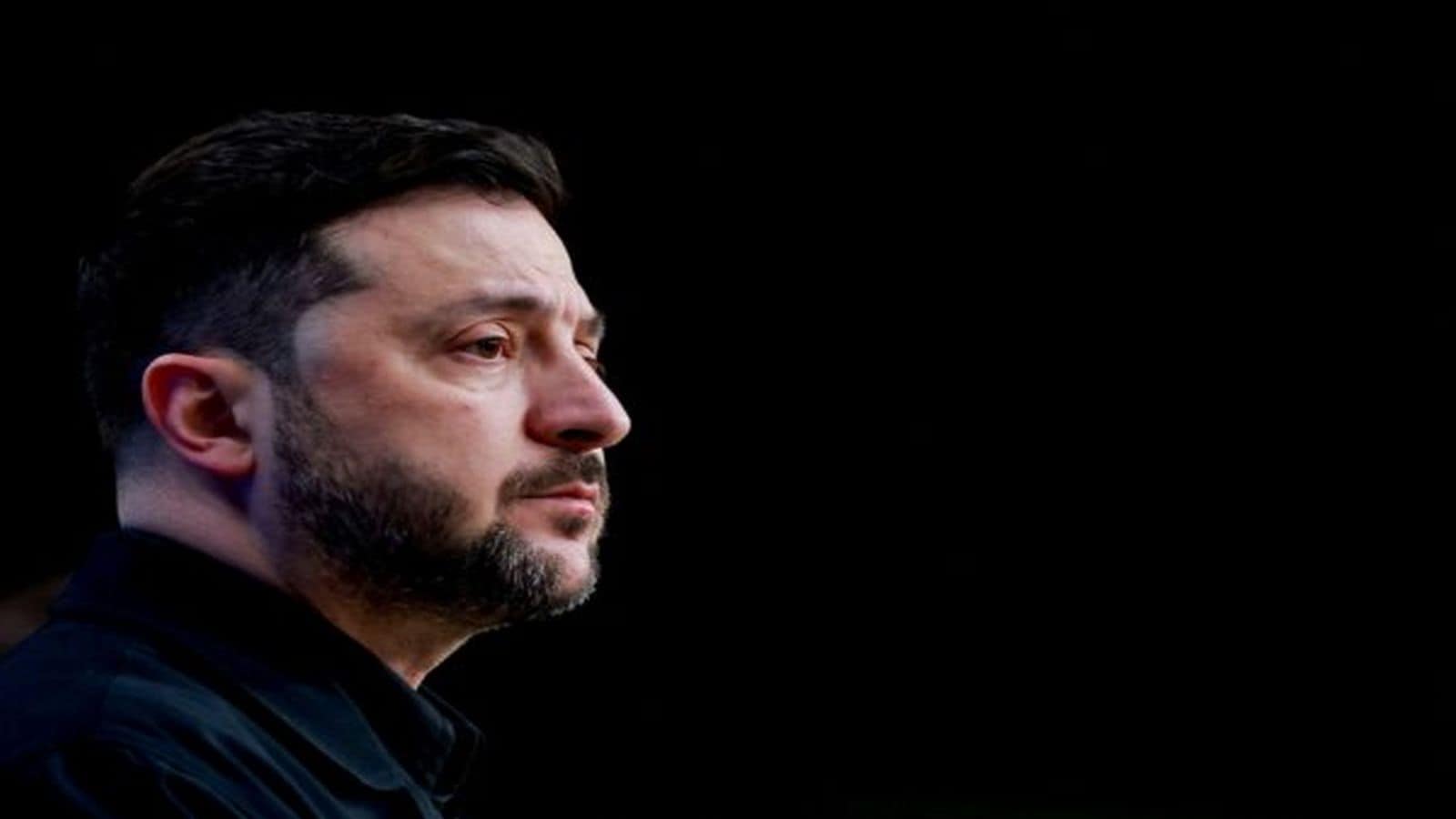
Every dollar that flows into Russian trade buys another day of artillery fire, drone strikes, and civilian infrastructure destruction. Ukrainian President Volodymyr Zelenskyy didn't mince words at the United Nations General Assembly, telling global leaders straight out that economic strangulation remains the most effective weapon against Vladimir Putin's war machine. When nations continue doing business with Moscow, they are basically funding the exact missiles targeting apartment buildings and shopping malls back in Kyiv.
Let's look at the numbers. More than four and a half years into this grinding conflict, military casualty estimates on both sides sit well past the half-million mark. Russian forces have deployed roughly 63,000 attack drones of various types in just a single year. Against that massive industrial scale, defensive grit alone isn't going to cut it. You have to go after the money.
Why Sanctions and Trade Restrictions Need Teeth
Zelenskyy pointed out a harsh reality at the UN podium: trade equals time for the Kremlin. If you buy Russian energy, grain, or raw materials, you're buying Putin time to rebuild his depleted stockpiles. Ukraine has taken matters into its own hands by targeting Russian oil facilities and refineries directly, effectively burning those revenues before they can be converted into front-line hardware.
Many Western analysts argue over whether economic penalties work fast enough. The truth is, sanctions were never designed to cause an overnight collapse; they're meant to bleed a war chest dry over years. But loopholes remain a massive problem. Shell companies, third-party transshipments, and lax enforcement let banned goods slip right through. If allies want to stop the bleeding, they have to close these loopholes permanently rather than looking the other way for short-term economic convenience.
The Real Cost of Inaction
We keep hearing complaints about the cost of maintaining sanctions or supporting military defense aid packages. Here's a reality check: letting Russia win or freeze the conflict on its own terms will cost exponentially more down the road. Restoring ruined infrastructure, handling long-term regional instability, and dealing with a emboldened Kremlin carry a price tag that dwarfs current defense spending.
Moscow's strategy relies entirely on outlasting the West's attention span. Foreign Minister Sergey Lavrov recently told the UN Security Council that Russia won't agree to a simple "pause" in fighting because it would just give Ukraine time to rearm. That logic works both ways. Every delay in tightening the economic screws gives Moscow room to adapt its logistics and secure alternate supply lines from partners like North Korea.
What Happens Next
If you want to understand how this war ends, look at the supply chains. Diplomacy without economic leverage is just expensive theater. World leaders face a very simple choice: keep tightening trade restrictions until the Kremlin's financial reserves run dry, or watch the conflict drag on indefinitely. Ukraine is already paying the ultimate price on the front lines. The least the international community can do is turn off the financial tap.
This video provides additional context regarding how Ukrainian leadership plans to maintain economic pressure on Moscow through international channels.
http://googleusercontent.com/youtube_content/1