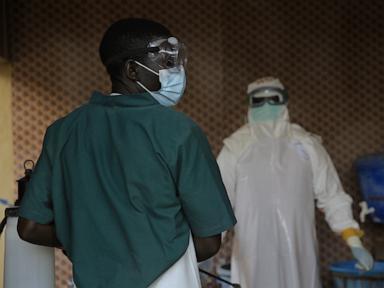
The numbers are terrifying. Confirmed Ebola cases in the Democratic Republic of Congo have officially surpassed 8,000, accompanied by nearly 4,000 deaths. This isn't just another statistical update from a distant region. It marks the largest and most destructive Ebola epidemic in the country's history, second globally only to the massive 2014-2016 West African crisis.
If you are wondering why health authorities are sounding the alarm louder than ever, the answer is simple. The virus is outpacing containment teams, and the region is facing a crippling shortage of healthcare personnel and medical supplies.
How the Outbreak Got Out of Hand
Epidemics don't just happen overnight. They thrive in the gaps between broken infrastructure, public distrust, and resource scarcity. This specific outbreak, driven heavily by the Bundibugyo species of the virus, has exposed structural vulnerabilities that international response teams have struggled to fix.
When trusted health workers are stretched too thin, contact tracing collapses. You can't isolate people effectively if you don't know where they are or who they've interacted with. In densely populated urban zones and remote villages alike, community resistance and logistical roadblocks have given the pathogen room to breathe. Traditional burial practices—where families honor loved ones by coming into close physical contact—continue to serve as transmission vectors, despite years of educational campaigns.
What the Data Actually Tells Us
Look closely at the numbers, and a brutal reality emerges. With over 3,900 fatalities recorded so far, the mortality rate hovers near historic highs for these types of strains.
- Total Confirmed Cases: Over 8,000.
- Total Deaths: Approaching 4,000.
- Historical Comparison: Surpassed the 2018-2020 eastern Congo epidemic to become the nation's largest recorded viral surge.
Unlike respiratory viruses that spread easily through the air, Ebola demands direct contact with bodily fluids. That sounds easier to control on paper, but on the ground, living conditions in overcrowded settlements make absolute isolation an uphill battle. When clean water is scarce and medical facilities lack basic protective gear, standard safety protocols fall apart.
Beyond the Headlines: The Human Cost on the Frontlines
The heroes of this story aren't distant bureaucrats or corporate executives. They are local nurses, red cross volunteers, and community leaders who walk into high-risk zones daily, often without adequate compensation or protection.
Burnout is destroying response capacity. Many medical professionals have been working non-stop for months, battling not just the virus, but also fear and misinformation spreading faster than the disease itself. Rumors about foreign medical interventions have historically sparked violence against treatment centers, forcing teams to pause operations just when they need to scale up.
What Needs to Happen Right Now
Ignoring a localized epidemic on another continent is a dangerous game. In our interconnected world, regional health emergencies carry global implications.
If you want to understand how to prevent the next international health catastrophe, you have to look at funding and localized empowerment. Pouring money into top-heavy international organizations doesn't work if the cash doesn't reach the clinics buying gloves, testing kits, and therapeutic treatments.
Governments and global health bodies need to prioritize three immediate actions:
- Fast-track emergency deployments of trained medical workers directly to the hardest-hit provinces.
- Secure supply chains for therapeutics and preventive vaccines tailored to the specific circulating strain.
- Invest heavily in local leaders to drive community engagement rather than relying on top-down enforcement that breeds distrust.
The crisis in Congo isn't slowing down. Waiting for it to burn out naturally means sacrificing thousands more lives. Support local humanitarian efforts, track reliable epidemiological updates, and demand accountability from international health coalitions before this regional tragedy widens its reach.