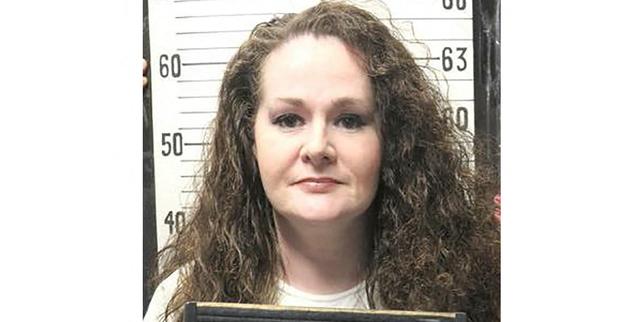
The execution chamber should be absolute. It should be cold, clinical, and final. But late September 2026 inside a Tennessee prison, the machinery of capital punishment broke down in a way that left legal experts and witnesses stunned. Christa Pike, condemned for a brutal 1995 murder, did not die as planned after receiving two separate doses of lethal pentobarbital. Instead, she stayed alive, breathing, and responsive long past the scheduled hour, forcing a chaotic scramble of emergency legal motions and a sudden freeze on state executions.
If you've followed capital punishment debates over the decades, you know that botched executions usually spark fierce ethical debates. But this case crossed into unprecedented territory. Pike was set to be the first woman executed in Tennessee in over two centuries, a grim milestone that drew global media attention. Yet the real story isn't just about history or legal timelines. It’s about the terrifying reality of what happens when a state-sanctioned execution fails halfway through, leaving a prisoner in prolonged agony while courts scramble.
The Chaotic Timeline That Led to the Chamber
The hours leading up to the scheduled execution were pure legal whiplash. Early in the day, a federal appeals court granted a temporary stay to examine fresh arguments regarding Pike's severe childhood trauma and lack of adequate mitigating evidence during her original 1996 trial. Victims' advocates and state prosecutors fought back hard, arguing that delaying the process only dragged out the pain for the family of Colleen Slemmer, the 19-year-old victim.
Within hours, the United States Supreme Court lifted the stay, clearing the path for the lethal injection to proceed at the Riverbend Maximum Security Institution in Nashville. Curtains parted at 7:27 p.m. Witnesses watched as Pike, strapped to a gurney, offered chilling last words about leaving the world in love.
Then things went wrong.
What Actually Happened Behind Closed Curtains
Witnesses reported alarming anomalies almost immediately. Pike remained fully conscious at points, asking if her arm was supposed to feel a certain way. Even after the administration of the second dose of pentobarbital, observers heard distinct snoring and heavy breathing from behind the closed partition before microphones were abruptly cut.
Her defense team rushed emergency filings to district and supreme courts, pointing out that she was experiencing unnecessary suffering rather than a swift, painless death. Rather than expiring, Pike survived the dual doses and was subsequently rushed out of the facility in a prison ambulance for medical evaluation.
Governor Bill Lee responded swiftly by suspending all remaining state executions for the year and ordering an independent third-party investigation. When a state's ultimate punishment fails to execute its function, the cracks in the entire legal and operational framework become impossible to ignore.
Why This Case Changes the Death Penalty Conversation
For thirty years, Christa Pike sat in strict confinement following a crime committed when she was just eighteen years old alongside her teenage accomplices. While her supporters pointed to deep-seated mental health struggles, severe abuse, and the stark contrast between her death sentence and her co-defendant's life sentence, prosecutors emphasized the sheer brutality of the original offense.
Yet, botched lethal injections shift the public focus away from the crime and squarely onto the competence and cruelty of the state. When execution protocols result in survivors of lethal drugs, it forces a brutal reckoning. Are states capable of carrying out capital punishment without descending into administrative and medical failures?
The governor's freeze on upcoming executions signals a rare pause in a system that usually marches forward relentlessly. As independent investigators examine what went wrong with the intravenous lines or the potency of the drugs, the debate over state-sponsored killing has entered a volatile new phase.
Check your local state guidelines and follow ongoing independent legal reviews to stay informed on how this unprecedented failure alters capital punishment policy moving forward.