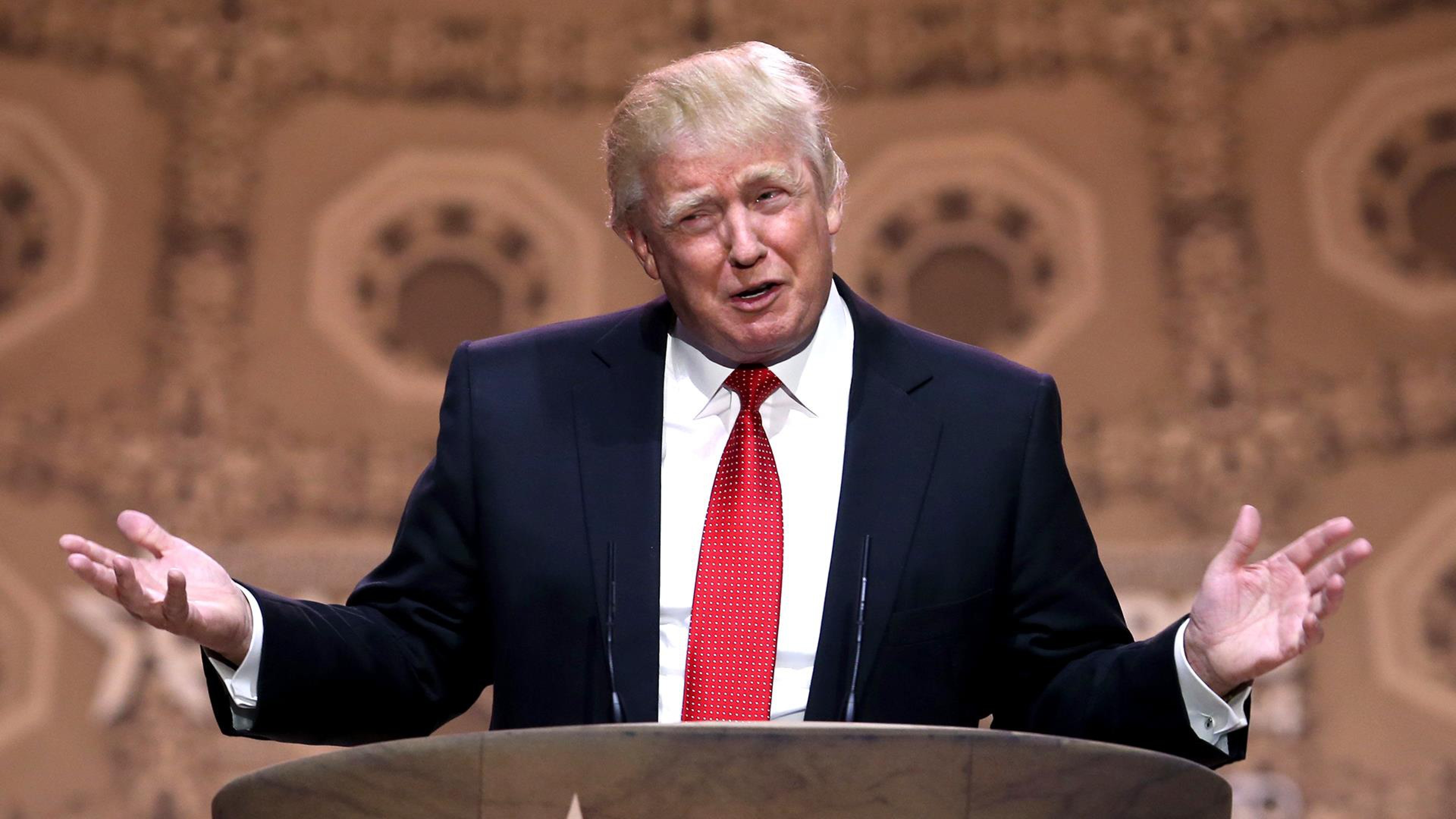
Donald Trump doesn't do quiet phone calls. When the former president whipped out his phone during a live conversation with Bloomberg's editor-in-chief John Micklethwait at the Economic Club of Chicago, nobody expected him to dial up Jensen Huang. But that is exactly what happened. Trump paused the forum, pulled out his device, and proceeded to drop the Nvidia CEO's name right into the room, telling the audience he just couldn't take him on.
It was vintage Trump theater. Yet beneath the public spectacle lies a much heavier economic reality. Nvidia isn't just another chip company anymore. It sits right at the violent intersection of global power politics, artificial intelligence infrastructure, and US-China trade tensions. When a presidential candidate openly talks about the staggering market dominance of Nvidia and its leader, it tells you everything about who actually holds the cards in modern tech.
Why Nvidia Commands the Room
If you look at how Jensen Huang built Nvidia over the last three decades, the trajectory looks almost absurd. He started by betting everything on graphics chips for video games. Then came the realization that those same chips could process parallel computing tasks faster than anything else on the market. When the generative AI boom exploded, Nvidia was the only real game in town.
Other companies tried to catch up. They threw billions of dollars at alternative hardware. They promised custom silicon that would break Nvidia's monopoly. Yet data center operators, cloud giants, and sovereign AI projects keep buying Blackwell and Hopper chips by the tens of thousands.
Trump's live stunt highlights a simple truth. Everyone wants a piece of Nvidia, but nobody knows how to work around them. When you control the hardware that trains frontier language models, you dictate the speed of technological progress globally.
The Politics of Silicon Dominance
Semiconductors used to be a boring supply chain topic discussed only by supply chain engineers and niche economists. Today, chips are national security assets.
The Biden administration implemented strict export controls to keep advanced chips out of China. Trump has his own unique perspective on tariffs, domestic manufacturing, and Taiwan's semiconductor hegemony. TSMC manufactures the vast majority of Nvidia's advanced designs in Taiwan, creating a geopolitical tightrope that keeps Washington lawmakers awake at night.
When Trump calls Huang mid-interview, it isn't just a quirky anecdote for the morning news cycle. It points to a growing dynamic where political leaders recognize that tech moguls carry as much leverage as foreign heads of state. Huang has navigated these political winds with remarkable agility, balancing massive US government subsidies with a complex global market footprint.
What Most People Get Wrong About the Chip Monopoly
People love to talk about antitrust actions and how Nvidia is bound to crash under its own weight. Critics argue that tech giants like Microsoft, Google, Meta, and Amazon are building their own custom processors specifically to cut Nvidia out of the loop.
That argument misses the point entirely.
Hardware is only half the equation. Nvidia's real moat is CUDA, their proprietary software ecosystem that has trained developers for nearly twenty years. You can build a faster chip tomorrow, but if software engineers have to rewrite their entire codebase to use it, they won't. This software lock-in creates a barrier to entry that billions of dollars in venture capital simply cannot smash through overnight.
Jensen Huang understands this better than anyone. He didn't just build chips; he built an entire developer culture. When political leaders try to figure out how to regulate or harness the AI revolution, they quickly realize they are negotiating with a system that Huang engineered from the ground up.
The Real Message Behind the Stunt
Trump's public admission that he couldn't take Huang on was framed as classic self-deprecating banter, but it serves a strategic purpose. It acknowledges power where power resides.
We are living through a historic shift where corporate titans routinely eclipse traditional political machinery in shaping the future of nations. AI infrastructure is the new oil, and Nvidia is the refinery.
Keep an eye on how future administration policies intersect with semiconductor manufacturing. The next time a politician tries to flex on stage, look at who they are calling. It usually tells you who is actually running the show.
Upgrade your portfolio strategy or tech infrastructure planning by factoring in hardware dependencies, not just software hype. Look past the quarterly earnings reports and watch the geopolitical chess board. That is where the real game is being played.