You don't expect to hear absolute silence while tracking wildlife across the sprawling grasslands of the Maasai Mara. Traditionally, the soundscape of conservation patrols involves the aggressive growl of petrol engines, burning imported fuel that traveled thousands of miles just to reach a remote Kenyan game reserve. Today, that is changing.
Electric mobility has officially entered the wild. Rangers like Joshua Kijape are navigating the bush on silent electric motorcycles built right in Nairobi by ROAM, slipping past wildlife without disturbing them and closing in on poachers who can't hear them coming.
If you think clean technology belongs strictly in wealthy European cities or tech-hub showrooms, you're missing the real story. The toughest proving grounds for electric vehicles right now aren't paved highways—they are remote African ecosystems where reliability means everything.
Moving Past Fossil Fuels in Tough Terrains
Let's talk logistics. Transporting petrol out to remote wildlife camps and reserves requires hauling fuel all the way from ports like Mombasa across brutal roads. It's expensive, logistically exhausting, and leaves conservation operations at the mercy of volatile global fuel prices.
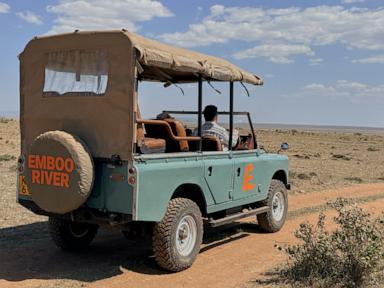
Switching to electric transport changes the entire equation. Camps like Emboo River Camp in the Maasai Mara have run their electric safari vehicles entirely on solar power since 2019. Loic Amado, co-founder of the camp and sustainability firm EERA LAB, notes that converting conventional safari vehicles costs between $35,000 and $45,000. That steep upfront cost sounds intimidating until you look at the math: the investment pays for itself in roughly two and a half to three years through massive savings on fuel and mechanical maintenance.
When you run your fleet on sunshine, you stop worrying about supply chain disruptions. You harness an abundant local resource.
Why the Tech Works Where Skeptics Doubted
Critics love to argue that electric vehicles can't handle extreme environments or long distances. But real-world deployment tells a different story. ROAM's electric motorcycles can travel about 160 kilometers (100 miles) between charges. Out on extended patrols, rangers plug into straightforward 10-amp sockets connected to small, localized solar and battery setups.
It is decentralized energy in action. Instead of relying on a fragile, centralized grid, these conservation projects build micro-infrastructure right where it's needed.
Tourism operators are noticing the operational shift, too. Major regional hospitality groups like Asilia—running roughly 20 lodges across East Africa—have started integrating electric fleets. Guests want authentic experiences without the noxious exhaust fumes and engine noise scaring off local fauna.
The Broader Economic Ripple Effect
This isn't just about protecting zebras and wildebeests during the Great Migration. Local communities surrounding these reserves rely heavily on motorcycles for daily transport on rugged infrastructure. When clean, affordable electric bikes become accessible, everyday transit gets cheaper and cleaner.
Companies like EERA LAB have expanded their scope to support 25 different lodges across East Africa with integrated solar power, wastewater treatment, and EV conversions. They even use specialized dashboards to track real-time energy generation, water usage, and solar charging metrics, stripping away the guesswork that used to plague remote lodge management.
The energy transition doesn't need a massive bureaucratic blueprint to succeed. It needs practical economics, local manufacturing, and real utility in the toughest places on Earth.
Stop waiting for perfect infrastructure to magically appear. The transition is already happening off the beaten path.
Africa embraces electric mobility amid surging fuel costs
This video explores how rising fuel prices and supply chain realities are accelerating the adoption of electric mobility across the African continent.
http://googleusercontent.com/youtube_content/1