Every election cycle brings the same breathless predictions. Pundits point to soaring populist anger, economic stagnation, and fractured parliaments, declaring that the political centre is finished. They argue that Europe's moderate middle cannot survive the pressure from extreme factions on both sides. Yet, when the ballots are counted, the centre somehow stays put.
Why does European centrism stubbornly refuse to collapse?
The answer doesn't lie in charismatic leadership or inspiring campaign slogans. It rests on structural survival instincts, institutional ballast, and a voter base that fundamentally fears volatility more than it resents stagnation. If you look past the noisy headlines, you'll see a continent wired to resist radical political swings.
The Institutional Design That Buffers Extremes
Europe's political machinery was deliberately built to slow things down. Proportional representation systems across the European Union make single-party landslides rare. Instead, they force coalition governments, endless negotiation, and forced compromise.
Radical parties often campaign on explosive promises, but governing inside a multi-party parliamentary framework strips away their sharpest edges. Once extremist or populist groups enter coalition talks, they face a harsh reality. They either moderate their demands to share power, or they stay on the sidelines shouting slogans while real policy gets made without them.
Brussels acts as a giant political shock absorber. EU treaties, fiscal rules, and court oversight create boundaries that national politicians cannot easily cross on a whim. While voters often complain about bureaucratic inertia, that very inertia prevents populist experiments from tearing up the social contract overnight.
Economic Reality Beats Ideological Rhetoric
Voters love radical ideas until their bank accounts feel the pinch. Across major European economies, the cost of living crisis, shifting energy markets, and structural aging have forced a pragmatic approach to governance.
When citizens worry about mortgages, pensions, and healthcare access, theoretical political purity loses its appeal. Moderate coalitions frequently stumble, but they are perceived as safer stewards of public funds than untried insurgents.
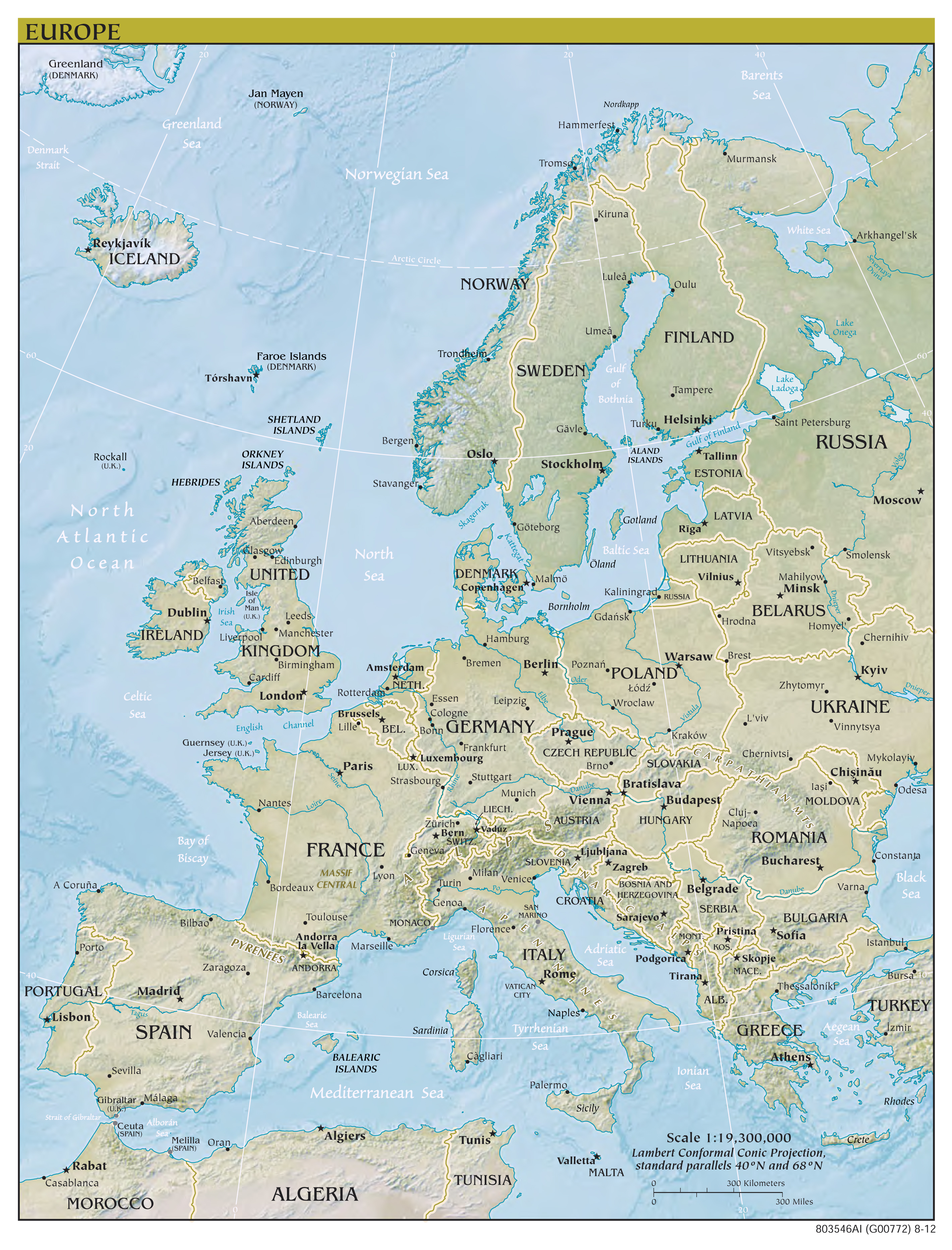
Take recent electoral trends in Germany, France, and Spain. While protest parties capture massive shares of the protest vote, mainstream conservative and social democratic blocks continue to cobble together governing majorities. Why? Because the business community, labor unions, and middle-class households know that fiscal chaos hurts everyone. The European center holds because institutional stability is the ultimate currency of commerce.
Populism Meets the Limits of Protest
Protest voting is easy when you're shouting from the opposition benches. Governing is entirely different.
Whenever populist factions get a taste of local or regional power, the magic tends to wear off. Voters notice that potholes still need filling, schools require funding, and international supply chains don't care about nationalistic rhetoric. The transition from opposition firebrand to practical administrator exposes deep competency gaps.
Rather than sweeping the continent, populism in Europe has largely settled into a permanent, noisy minority. It exerts constant pressure on the mainstream, forcing traditional parties to tighten immigration controls and address economic anxieties, but it rarely achieves the total breakthrough its leaders promise.
What the Pundits Miss
Observers often misread European political behavior because they view it through an American-style binary lens. They look for a winner-take-all battle between left and right.
Europe doesn't work that way. It operates through consensus, compromise, and institutional continuity. The center isn't a fixed ideological tribe; it's a moving equilibrium. When public sentiment shifts right on security or left on welfare, mainstream parties adapt just enough to absorb the shock.
Stop waiting for the European Union to implode under the weight of its internal contradictions. The system is designed to bend, not break. As long as citizens value stability, predictable healthcare, and open trade markets, the political middle will keep finding a way to hold the line.