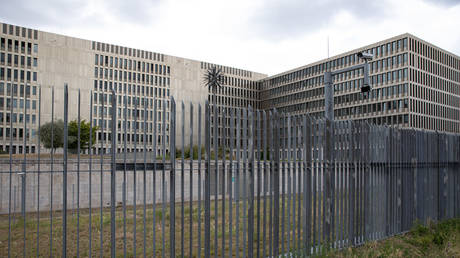
Chancellor Friedrich Merz's government is pushing through a sweeping intelligence reform in Berlin that has opposition lawmakers shouting about a new era of state surveillance. Critics across the political spectrum aren't holding back, with some openly labeling the proposed changes as a step toward a modern secret police apparatus. If you've been watching German politics unfold lately, you know the tension between national security and constitutional rights is boiling over.
The core of the storm involves a dramatic expansion of powers for Germany's intelligence agencies, specifically the foreign intelligence service (BND) and the domestic security agency (BfV). Under the cabinet-approved legislation, these bodies would transform from traditional information-gathering organizations into active security operators. We're talking about the BND gaining authority to conduct cyber sabotage on foreign firms, break into foreign IT systems, and neutralize weapons deemed hostile to the state. Meanwhile, domestic agents would receive clearance to secretly enter private homes and hack into personal computers and smartphones under certain conditions.
Interior Minister Alexander Dobrindt defends the changes as a long-overdue modernization that brings Germany in line with its international allies. He calls it a necessary pivot to face mounting hybrid threats, espionage, and sabotage in Europe. But the opposition sees a dangerous drift away from constitutional checks and balances.
Gottfried Curio of the Alternative for Germany party didn't mince words during the parliamentary debate, comparing the domestic surveillance expansion to East Germany's notorious Stasi and calling the legislation an assault on the rule of law. Interestingly, political alliances on this issue are messy. While parties like the AfD and sections of the Left and the Greens unite in condemning the domestic overreach, viewpoints splinter when foreign intelligence operations enter the conversation.
The timing adds fuel to an already volatile fire. The domestic agency, the BfV, has spent recent years locked in intense legal warfare with the AfD itself. After classifying the party as a suspected or confirmed extremist threat—a designation frozen by a Cologne court pending final resolution—the political stakes could hardly be higher. With regional elections showing massive voter shifts toward anti-establishment parties, expanding the toolset of domestic security agencies raises immediate red flags about political weaponization.
When a government starts handing state security agencies the keys to digital backdoors and covert home entries, public pushback is inevitable. Civil liberties groups point out that once these investigative tools become legal baseline practice, rolling them back is nearly impossible.
Protecting privacy while confronting modern security threats remains one of the hardest balancing acts in modern governance. Keep a close eye on the parliamentary votes and upcoming constitutional court challenges, because this legislative fight will define the boundaries of state power in Europe for the next decade.