Foreign policy rarely produces clear victors, but the recent diplomatic scramble over Greenland completely flipped the script. When Washington first revived aggressive talk about acquiring the world's largest island, European defense boards panicked. NATO looked moments away from fracturing entirely. Yet, as the dust settles on a newly signed security pact between the United States, Denmark, and Nuuk, the real winner isn't the superpower that made the demands. It is Greenland itself.
For decades, the island of roughly 56,000 mostly Inuit residents operated as an afterthought in international capitals. Copenhagen managed its defense and foreign affairs. Washington viewed it primarily through a Cold War lens, leaning heavily on the 1951 defense agreement to secure strategic Arctic positioning. When political pressure heated up, everything changed.
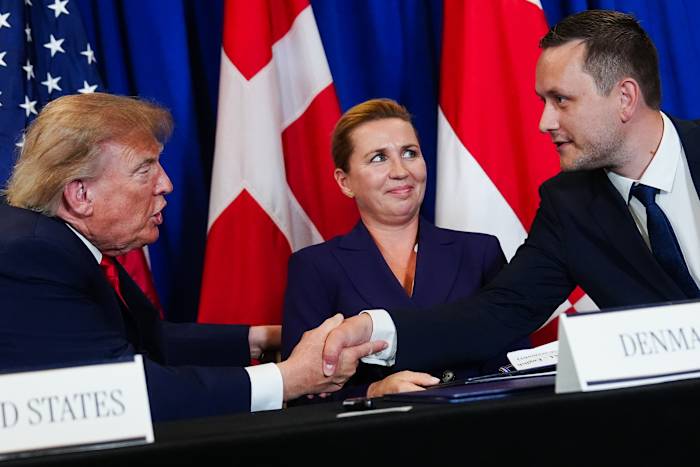
The turning point happened at the United Nations General Assembly, where Greenlandic Prime Minister Jens-Frederik Nielsen stood shoulder-to-shoulder with global leaders to sign a binding security agreement. That wasn't just a photo op. It was a historic threshold. For the very first time, Greenland entered a major international accord as an independent signatory rather than a silent dependent of Denmark.
The Geopolitical Cost of Pressure
Was the diplomatic strain actually necessary? Truthfully, no. The security arrangements finalized in New York could easily have been negotiated through normal diplomatic channels without threatening historic alliances. Instead, the hardline push tested the limits of Western trust.
European capitals scrambled to patch together a unified front. Danish diplomats worked overtime to reframe a bilateral territorial dispute into a broader European security necessity. They wanted to protect NATO from breaking under sudden pressure.
Behind closed doors, the crisis forced an uncomfortable reckoning between Denmark and Nuuk. Colonial history rarely stays buried when modern power dynamics shift. Denmark’s historical oversight of Greenland left deep scars, including forced contraception programs involving thousands of young girls and children separated from their families. Public pressure intensified after political threats emerged from Washington. Denmark finally delivered long-overdue formal apologies and started addressing systemic injustices that victims had protested for decades.
Why Greenland Controls Its Own Future Now
Autonomy comes with a price tag, but Greenland is handling the math. While full independence remains a long-term goal for many locals, the recent standoff accelerated their political maturity on the world stage.
Voters in Nuuk faced a difficult balancing act. At the height of the tensions, local leadership made it clear that if forced to choose between competing external pressures, they would stick with their democratic partners and NATO. But that loyalty didn't come cheap. It bought them a permanent seat at the negotiating table.
Foreign ministries across Europe now realize they can no longer treat Greenland as a remote military outpost. Energy resources, rare earth minerals, and melting Arctic shipping lanes ensure that Nuuk holds critical cards for global security.
Trust between old allies takes years to build and seconds to break. While leaders celebrated the new security pact with cold drinks on Manhattan rooftops, the underlying reality remains sharp. Washington got its security framework, Denmark avoided a permanent rupture in transatlantic defense, but Greenland walked away with something far more valuable. International recognition, renewed leverage, and control over its own destiny.