Mountaineering in the Himalayas always carries an inherent edge of danger, but the timing and scale of the recent disaster at Himlung Himal have exposed deep vulnerabilities in seasonal preparation. Rescue teams are currently racing against dangerous weather conditions to locate a dozen people still missing after an avalanche swept through the base camp of the 7,126-meter peak in north-central Nepal's Manang district.
Four people have been confirmed dead following the sudden slide, which struck while local guides and support staff were setting up camp ahead of the autumn climbing season. Ten other workers managed to survive and were airlifted to safety by helicopters, while authorities continue searching for the remaining 12 individuals. What makes this tragedy particularly stark is that all of the casualties and missing persons are Nepali nationals—primarily Sherpas and base camp crews preparing the mountain before foreign clients arrived.
The Human Toll Behind the Climbing Season
When commercial expeditions hit the news, the focus usually lands on foreign climbers paying top dollar for summit bids. But the invisible backbone of the entire Himalayan mountaineering industry consists of local Nepali staff who head up weeks in advance. They haul gear, carve out platforms in the snow, and secure routes while the weather is volatile.
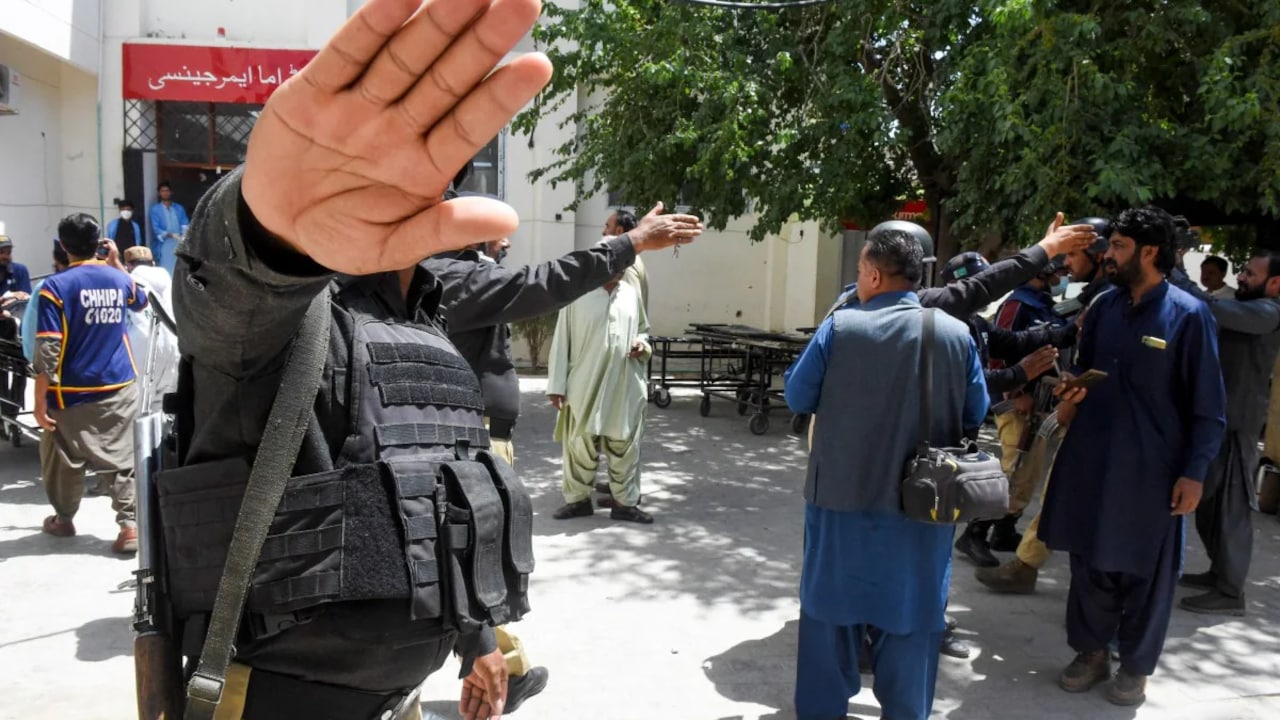
The avalanche at Himlung Himal hit on a Sunday during a brutal weekend of severe weather that brought heavy rainfall, localized flooding, and landslides across the Manang district. Government warnings had already gone out across the country, but high-altitude weather shifts with terrifying speed. Because the expedition teams had not yet welcomed their international clients, the base camps were heavily populated by local support staff alone. Families of the missing workers gathered outside Tribhuvan University Teaching Hospital in Kathmandu on Monday as helicopters transported the recovered remains.
Broader Weather Crisis Compounds the Danger
This disaster doesn't exist in a vacuum. Nepal has spent the past several weeks grappling with catastrophic climate-induced anomalies. Earlier seasonal flooding left over 1,400 people dead and thousands missing nationwide, and disaster management agencies report that another 21 people died in various regions between Thursday and Sunday alone.
High-altitude avalanches triggered by sudden unseasonal downpours present a nightmare scenario for rescue coordinators. Helicopters based in Kathmandu and Pokhara have faced severe visibility blocks, keeping them grounded or restricting flights while teams wait for brief windows in the weather. Mountain rescue experts note that ground teams on Himlung face extreme risks of secondary slides, making systematic sweeps agonizingly slow.
Assessing High-Altitude Safety Protocols
The recurring loss of local lives during seasonal transitions sparks difficult conversations about base camp positioning and early-season risk management. While commercial operators follow standard government clearance schedules, shifting climate patterns mean historical weather windows are becoming unreliable.
If you're following Himalayan mountaineering or planning treks in the region, understanding these seasonal risks is essential. Local guides bear the brunt of early-season exposure long before the main climbing traffic arrives.
Monitor official updates directly from the Department of Tourism in Nepal or regional district administrative offices for current trail and climbing restrictions. Check weather forecasting models specifically tailored to high-altitude Himalayan microclimates before embarking on any trek or expedition planning.