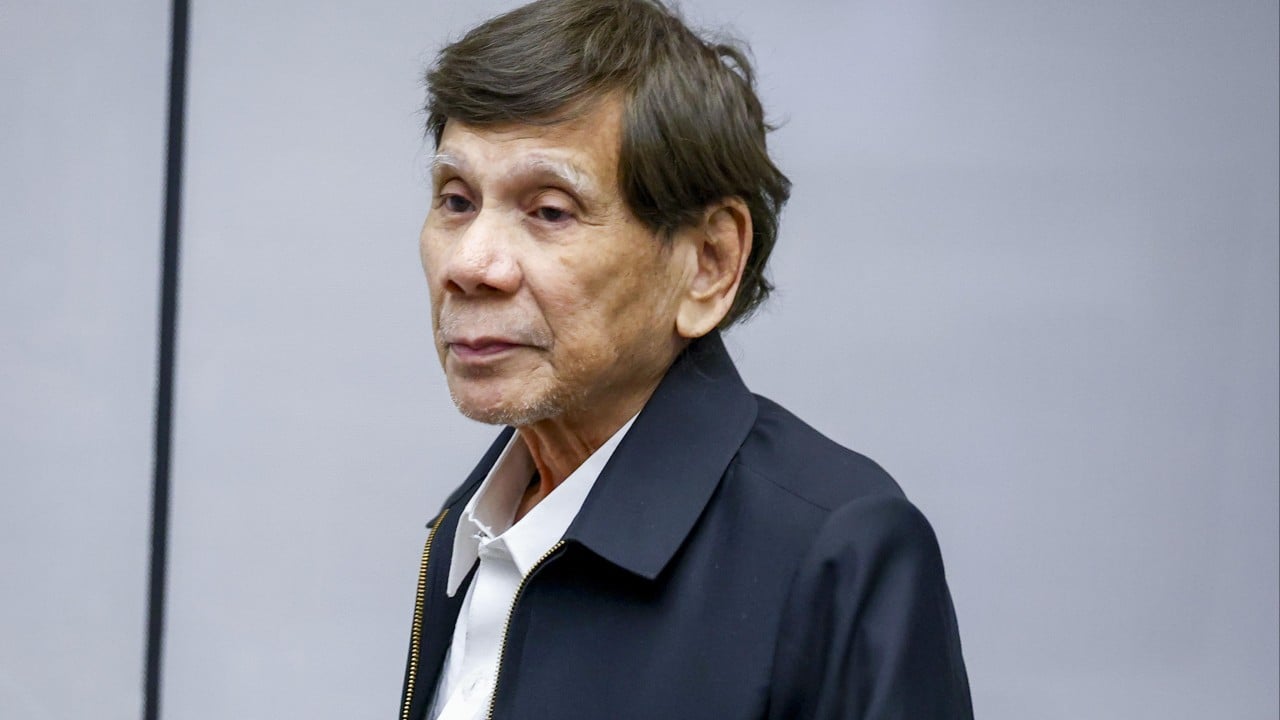
The International Criminal Court is losing patience. As preparations ramp up for the high-stakes trial of former Philippine President Rodrigo Duterte, judges in The Hague are staring down a relentless wave of digital noise.
Fake news, AI-generated videos, and manipulated court updates are flooding social media feeds. The goal is simple: manipulate public perception before a single witness takes the stand.
If you've been following the tribunal proceedings, you know the information ecosystem surrounding the Duterte case is toxic. Presiding Judge Joanna Korner recently issued sharp warnings to legal counsel. The message is clear. Trials happen inside a courtroom, not inside viral Facebook groups or on TikTok.
Why is this happening right now? And what is the court actually doing to stop the disinformation machine?
The Anatomy of the Misinformation Wave
Disinformation around the Duterte case isn't accidental. It's organized.
Since the tribunal began tracking jurisdiction and preparing for proceedings regarding the bloody "war on drugs," online actors have deployed coordinated campaigns. Fact-checking organizations like VERA Files recently flagged viral graphics claiming that ICC judges rejected the evidence and voted to end the trial early. It was entirely fake. Hive Moderation tools revealed the graphics and accompanying assets carried a 99.9% likelihood of AI generation.
Other fabrications include deepfake video clips showing Duterte making statements he never uttered after court appearances. Supporters and political operatives share these fabricated clips across local networks to paint the tribunal as illegitimate or collapsing under its own weight.
Legal teams are feeding the fire too. During status conferences, Judge Korner explicitly called out defense commentary given to external media outlets. She pointed out that past remarks by defense lawyers crossed legal boundaries into personal spin. This directly fueled third-party purveyors of online falsehoods.
What the ICC is Doing About It
Courts historically move at a glacial pace. Digital platforms move at the speed of a tap. To bridge this gap, the ICC is tightening the screws on everyone involved.
- Revising the Defense Code of Conduct: The court is actively updating rules to restrict lawyers from making inflammatory or speculative statements to reporters.
- Demanding Strict Evidence Rules: The prosecution and defense are locked in battles over digital proof. When Duterte's team demanded formal expert reports for every piece of open-source and user-generated evidence, prosecutors pushed back, calling the request an unreasonable delay tactic designed to clog the judicial pipeline.
- Direct Public Warnings: The tribunal's public affairs unit repeatedly issues direct clarifications to debunk viral claims, reminding citizens that all official filings live openly on the court's official website.
The upcoming trial opening remains firmly scheduled for November 30. No amount of social media wishful thinking will change that date.
How to Spot and Filter the Noise
You don't need to be a legal scholar to avoid getting fooled by manipulated court updates. Most people fall for these traps because the fabricated headlines trigger strong emotional reactions.
Stop trusting screenshots shared on messaging apps or political fan pages. If a major legal development happens in The Hague, it won't break exclusively on a partisan Facebook group. It will appear on official court dockets and verified international news wires.
Check the primary source. If an article claims judges dropped the case, look for the official press release on the ICC portal. If it's missing there, it didn't happen.
The trial of Rodrigo Duterte will test international justice in the digital age. The court wants to control the narrative. The online noise generators want to shatter it. Keep your guard up, look past the viral garbage, and stick to verified court records.