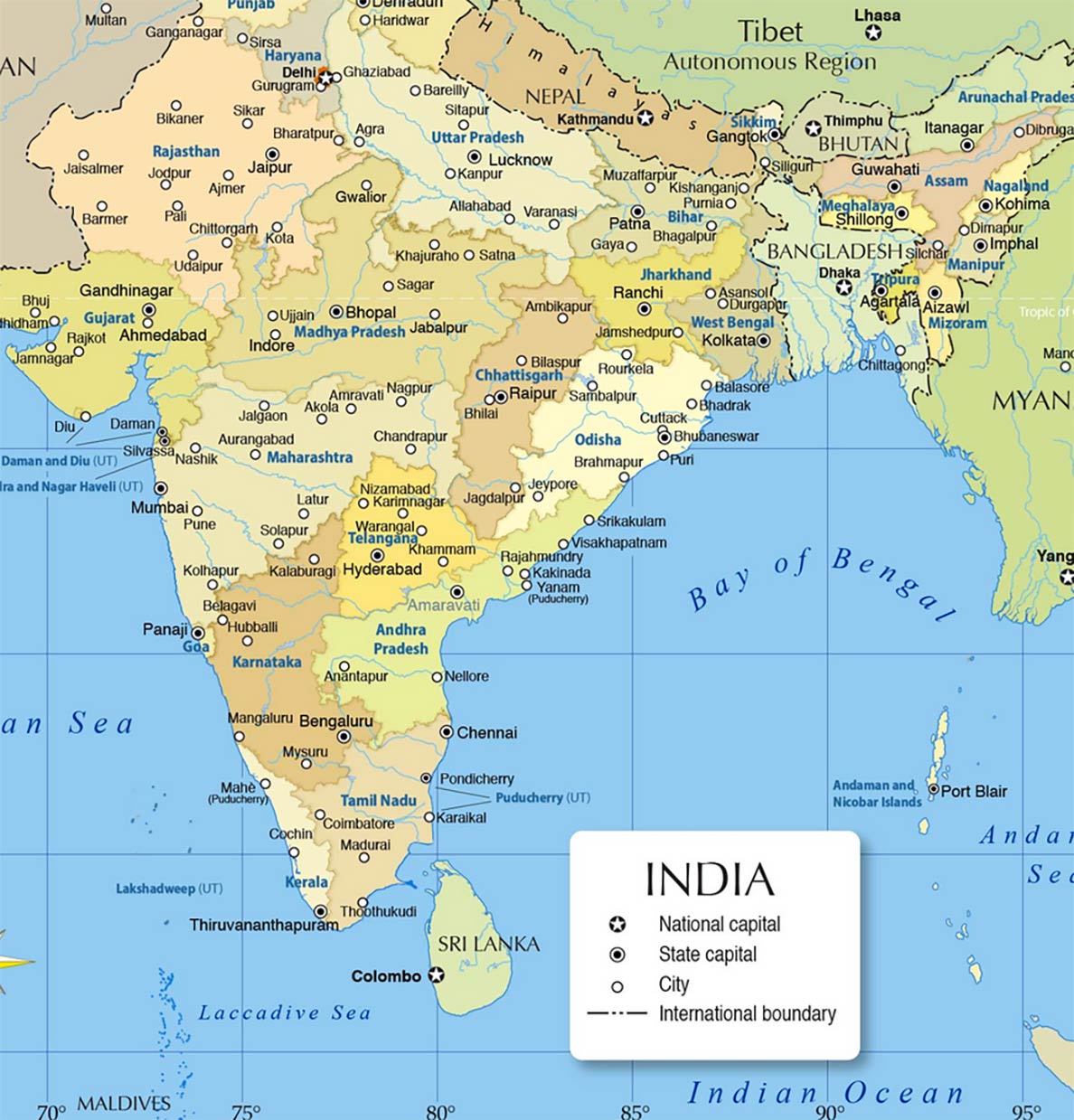
Wars aren't just won with tanks and fighter jets. They're won in the shadows, through intercepted signals, cracked ciphers, and stolen secrets. During the tense weeks of the 1971 war, Indian intelligence pulled off a staggering feat. New Delhi managed to listen directly to the phone calls of Pakistan's president, General Yahya Khan.
Most history books skip over the technical wizards who made this possible. They focus on troop movements, naval blockades, and political declarations. But behind the scenes, a quiet operational revolution built the capability that gave India's military leadership real-time insight into Islamabad's mindset.
Building the Intelligence Machine from Scratch
Before you can intercept a head of state's private communications, you need an institutional backbone. India didn't magically acquire these capabilities overnight. Decades before the conflict, visionaries in the security establishment understood that signals intelligence would dictate the outcome of modern conflicts.
The man chiefly responsible for setting up this specialized apparatus gave the nation the exact personnel, specialized skills, and operational culture required to perform at the highest levels of national security. He laid down strict training regimes and fostered an environment where technical obsession met tactical urgency.
When the 1971 crisis escalated, this intelligence network didn't flinch. Intercepting high-frequency radio transmissions and secure telephone links belonging to top Pakistani leadership required an immense amount of technical precision. Operators spent grueling hours tuning frequencies, decoding noise, and transcribing scrambled audio feeds.
What Hearing the Enemy Actually Changes
Imagine sitting in a war room and listening to the enemy command structure panic in real time. That is the advantage intercepted communications provide.
During the conflict, the ability to monitor Yahya Khan's calls meant Indian leaders didn't have to rely solely on field reports or delayed reconnaissance. They knew when Pakistani forces were running low on supplies, when morale was fracturing, and how Islamabad was reacting to the rapid advance of the Indian Army and the Mukti Bahini.
It completely removes the fog of war. When you hear the opposing president issue desperate directives, you adjust your operational tempo accordingly. You press the advantage harder. You close the trap faster.
The Human Cost of Technical Espionage
We often talk about intelligence coups as if they happen on a movie screen. They don't. They happen in cramped, smoke-filled rooms filled with humming vacuum-tube radios, where tired analysts chain-smoke and drink lukewarm tea through the night.
The success of India's intercept operations in 1971 rested on the shoulders of ordinary technicians and cryptanalysts who worked in absolute anonymity. They never received medals on parade grounds. Their names didn't make the front pages of morning newspapers. Their reward was simply knowing that their intercepted audio clips helped shorten a brutal war and paved the way for the liberation of Bangladesh.
If you want to understand how modern nations actually secure victory, stop looking only at the hardware. Look at the people behind the dials.
Study the institutional foundations laid by the pioneers of Indian signals intelligence. Recognize that tactical superiority starts years before the first shot is fired, built by individuals who choose to work entirely in the dark so their country can see clearly.