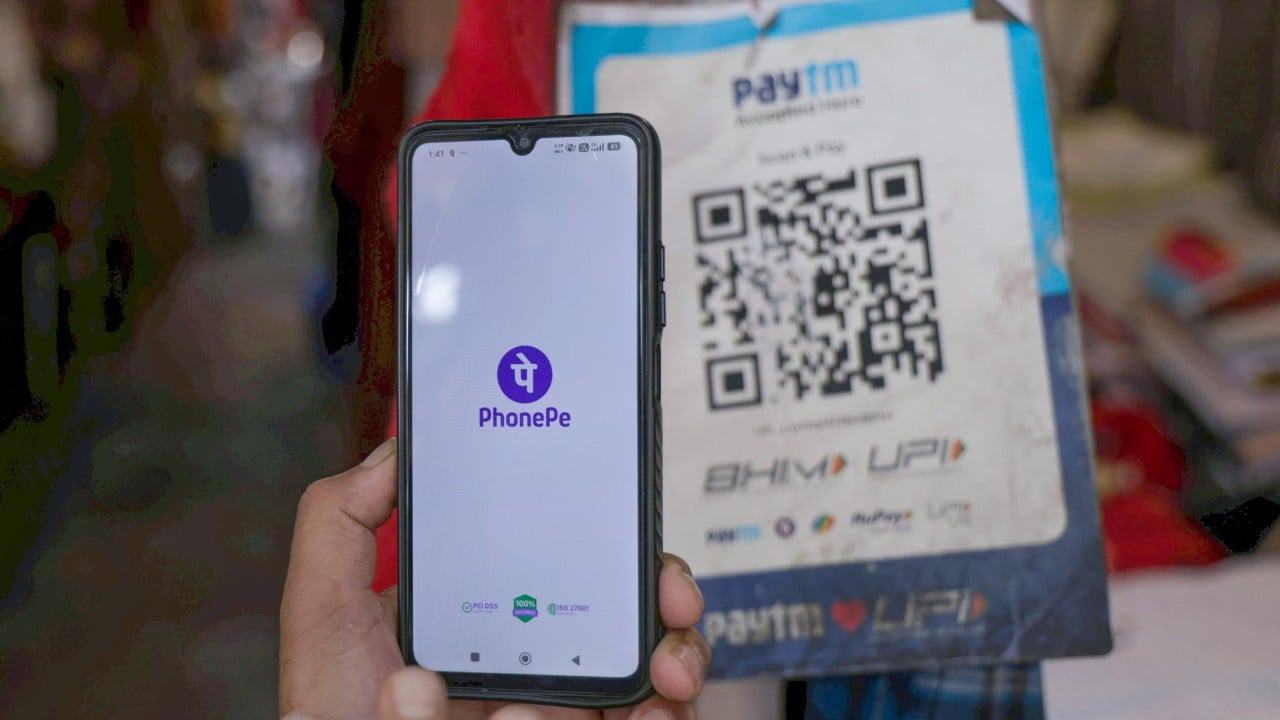
You can buy a cup of tea on a crowded Mumbai street with a quick scan of a QR code, and until recently, that transaction cost the vendor and the buyer absolutely nothing. That era of complete freebies is officially cracking. India's Unified Payments Interface (UPI) is introducing a 0.4 per cent merchant discount rate (MDR) on transactions exceeding 2,000 rupees (about US$21) starting October 15.
If you run a digital finance initiative in emerging markets, pay close attention. India's pivot away from a zero-fee model exposes the brutal financial reality of running nationwide payment rails. Nations across Asia and the Global South hoping to replicate India's massive fintech success need to look past the hype and study how to fund these systems without crushing small businesses or choking adoption. For a more detailed analysis into this area, we suggest: this related article.
The Economic Reality Behind the Zero-Fee Myth
Running a national financial switch isn't free. India's UPI system costs roughly 200 billion rupees annually to maintain, secure, and scale. For years, the government absorbed or heavily subsidized these costs, while payment gateway apps and banks operated on razor-thin margins or pinned their hopes on future monetization.
That model is unsustainable over the long haul. When transaction volumes skyrocket 13,000-fold—jumping from 17.8 million transactions in 2016-17 to over 241 billion by early 2026—the infrastructure demands massive capital injections. Cybersecurity threats multiply, fraud detection requires advanced machine learning, and dispute resolution systems need human backing. To get more background on the matter, extensive coverage is available at Financial Times.
Other emerging economies want the sovereignty that comes with bypassing Western card monopolies like Visa and Mastercard. But countries like Brazil with its Pix system or various Southeast Asian nations building real-time rails must answer one uncomfortable question: Who pays for the plumbing?
If governments expect private tech players and banks to maintain public utilities for free, investments dry up. Innovation stalls. Security gets compromised. India's new fee structure is an admission that sustainable digital public infrastructure requires shared financial responsibility.
The Design Flaw Every Developing Nation Must Avoid
While the policy direction makes economic sense, the implementation in India reveals critical pitfalls that other countries should avoid.
The threshold is set rigidly at 2,000 rupees. A transaction of 1,999 rupees costs nothing, while a transaction of 2,002 rupees triggers the 0.4 per cent fee, capped at 300 rupees. This cliff edge invites immediate manipulation. Merchants and buyers will intentionally split bills or find workarounds to dodge the threshold.
If you are designing a digital payment framework for your own country, build sliding scales or wider buffers. Avoid arbitrary lines in the sand that encourage dishonest accounting or frustrate everyday users. Smart policy design anticipates human behavior instead of punishing merchants for crossing an invisible line.
Furthermore, pushback from specific sectors like fuel dealers proves that uniform application fails. Fuel retailers operate on tight, regulated margins where an extra 0.4 per cent charge hits profitability hard. Blanket fees ignore industry-specific realities. Regulators must carve out nuanced exemptions or dynamic pricing rules from day one.
What Asia and the Global South Can Actually Learn
Copying a foreign success story without understanding its growing pains is a recipe for disaster. If your country is building a real-time payment network, take three actionable lessons from India's pivot:
- Protect consumers fiercely: Keep person-to-person (P2P) transfers completely free. The moment everyday citizens have to pay to send money to family or friends, mass adoption dies. India got this right by shielding 96 per cent of merchant transactions by volume and all consumer transfers from direct fees.
- Incentivize infrastructure investments: Make sure processing fees actually flow back into security and fraud prevention. Banks won't upgrade their tech stacks if revenues don't cover operational costs.
- Plan for monetization before scaling: Do not wait a decade to introduce fees. Announce a clear, phased financial roadmap early so merchants and fintech startups bake processing costs into their business models from the start. Transitioning from free to fee-based later triggers panic and merchant backlash.
Digital public infrastructure is the most powerful tool for financial inclusion in the developing world. But sovereignty comes with a price tag. Ignore the financial upkeep, and your proud national payment rail will slowly turn into a fragile, underfunded liability.
Watch the discussion on India's payment fee changes
This video provides an in-context look at how market analysts and industry players reacted to the introduction of merchant fees on high-value digital transactions.
http://googleusercontent.com/youtube_content/1