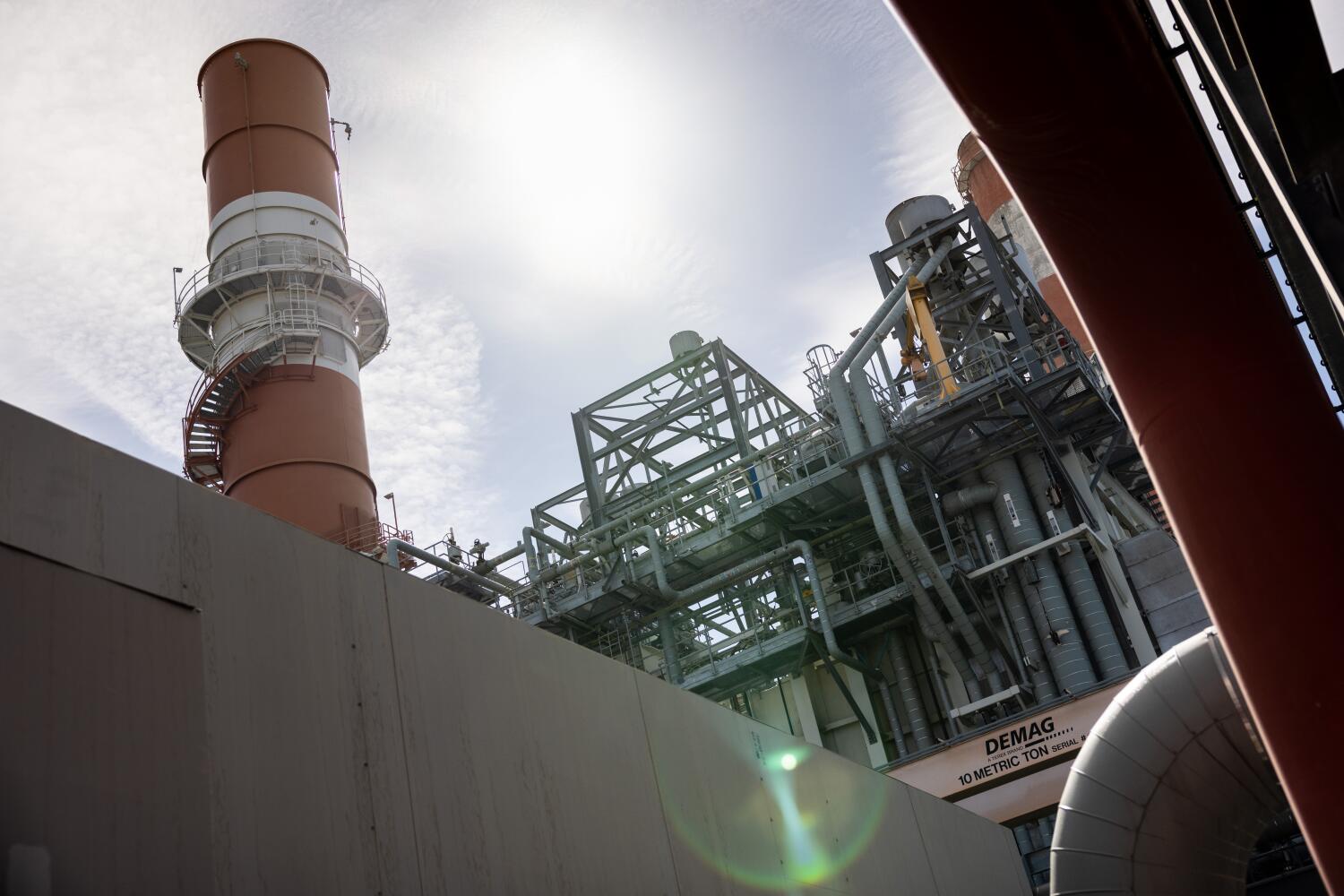
Hydrogen power looks great on a flashy corporate slide deck, but it falls apart under basic financial scrutiny. If you look closely at what the Los Angeles Department of Water and Power (LADWP) is currently banking on, you'll see a multi-billion dollar bet on a technology that is expensive, inefficient, and practically untested at this scale. A single proposed hydrogen-ready power plant can easily run close to a billion dollars. Ratepayers shouldn't be the ones footing the bill for an unproven energy transition experiment.
When urban utility boards chase futuristic buzzwords, they often ignore basic physics. Turning electricity into green hydrogen, storing it, transporting it, and then burning it back down into electricity loses a massive chunk of energy along the way. Round-trip efficiency sits miserably low, often below forty percent. You basically throw away more than half the power you start with. Yet, municipal agencies keep pushing forward because green hydrogen sounds good in a press release.
The Heavy Cost of Hydrogen Infrastructure
Building infrastructure for hydrogen isn't like upgrading standard natural gas lines. Hydrogen molecules are tiny and notoriously leaky. They embrittle standard steel pipes, meaning you need specialized materials, custom storage vessels, and tight safety controls just to keep the system from blowing up or bleeding fuel into the atmosphere.
When you factor in the capital expenditures required for retrofitting massive generation stations, costs skyrocket. Here is what makes the LADWP strategy so frustrating:
- Massive upfront capital: Building or converting plants runs into billions of dollars that come straight from local utility bills.
- Low round-trip efficiency: Far too much energy is lost during the conversion and storage processes.
- Supply chain scarcity: Green hydrogen supply is extremely limited, leaving plants reliant on gray hydrogen derived from fossil fuels during shortages.
If the primary fuel source isn't readily available at scale, these billion-dollar plants risk sitting idle or burning dirty gas anyway. That defeats the entire climate rationale.
Why the LADWP Needs a Backup Plan Right Now
Municipal utility leaders love to put all their eggs in one basket. They set aggressive decarbonization deadlines, pick a favorite tech trend, and cross their fingers. But hope is not a strategy. When green hydrogen projects face delays, regulatory hurdles, or extreme price spikes, local residents suffer through soaring utility rates.
A sensible utility needs redundancy. Instead of tying future grid reliability to a single expensive fuel, the city should double down on proven storage options like utility-scale battery systems, pumped hydro storage, and aggressive localized efficiency programs. Batteries might not have the romantic appeal of clean burning gas substitutes, but they actually deliver power back to the grid without losing sixty percent of the energy in transit.
What Needs to Change in Municipal Energy Planning
Fixing this mess requires holding local utility boards accountable for their capital allocation. If you live in Los Angeles, your monthly utility bills shouldn't subsidize risky gambles on inefficient technology.
- Attend public LADWP board meetings and demand transparency on project cost overruns.
- Push local representatives to prioritize cost-effective battery storage over speculative fuel alternatives.
- Scrutinize environmental impact reports to see whether proposed "hydrogen-ready" plants will actually run on clean fuel or just burn fossil gas for decades.
Stop pretending hydrogen is a magic bullet for urban power grids. Utilities need practical backup plans before they drain public funds on a pipe dream.