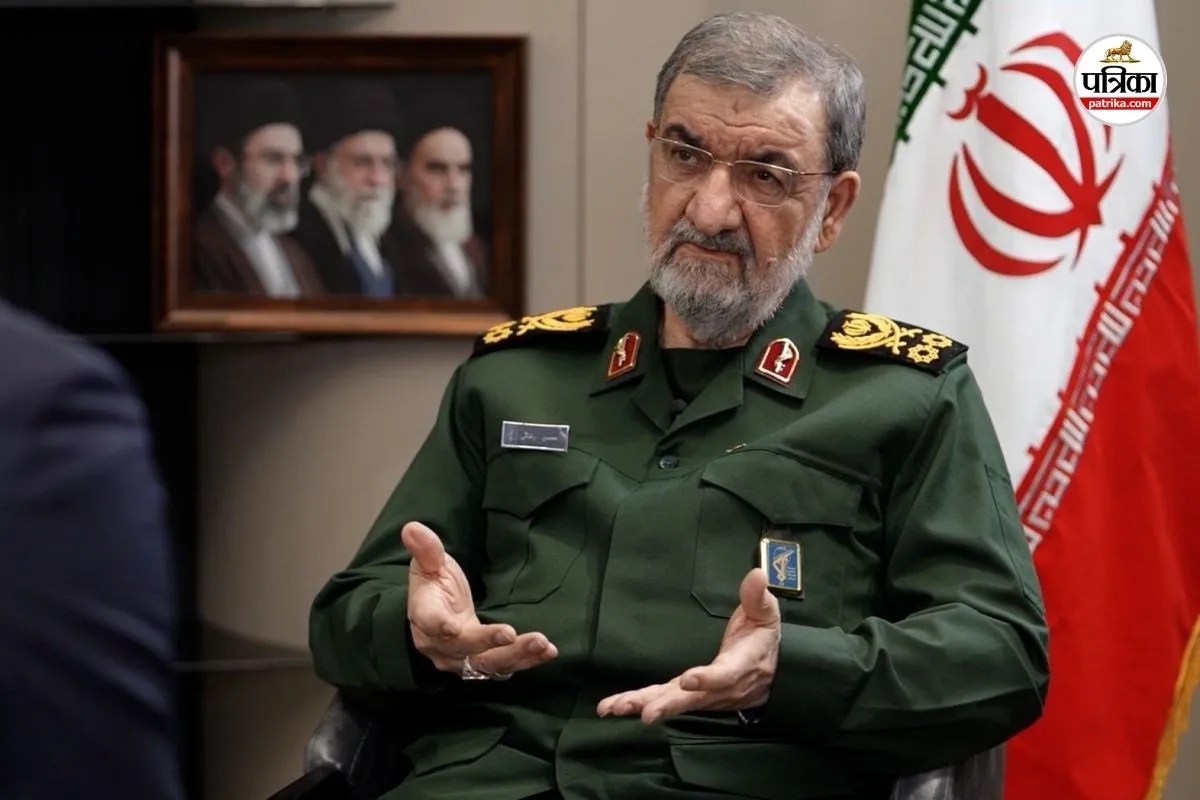
Geopolitical standoffs rarely come with a ticking clock, but Tehran just changed the rules. When Mohsen Rezaei, secretary of Iran's Supreme National Security Council, stepped in front of state television cameras, he didn't offer the usual diplomatic boilerplate. He drew a hard line in the sand, giving Washington a strict four to five-day window to accept Iranian terms or face a closed Strait of Hormuz and zero diplomatic engagement.
If you think this is just another round of routine posturing between old adversaries, you're missing the bigger picture. This ultimatum marks a sharp pivot in how Tehran handles pressure from Washington, and the implications for global energy markets are massive.
The Sticking Point Behind the Hormuz Chokepoint
Why does this particular stretch of water matter so much? Because a massive share of the world's crude oil supply funnels right through it. For years, Western powers have treated the free flow of maritime traffic through the Strait of Hormuz as a given. Tehran views it differently. Rezaei made it clear that the strait is seen as a core lever of national strength and a direct tool for asserting sovereignty.
When a nation controls a critical global economic chokepoint and decides to use it as leverage, the stakes instantly skyrocket. Tehran isn't interested in old-school diplomatic pleasantries or endless talks that go nowhere. The message is simple: you want the strait open and you want negotiations? You earn trust first by meeting our terms.
Breaking Down the Five-Day Pressure Tactic
Giving a major global superpower a four-to-five-day deadline is a high-risk gamble. It forces Washington into a tight corner where every hour counts. According to statements broadcast via state media, intermediaries have already carried the core demands across to American officials, and Foreign Minister Abbas Araghchi is expected to push these points further through mediators during United Nations meetings in New York.
At the same time, this confrontation isn't happening in a vacuum. US Treasury Secretary Scott Basent recently ramped up pressure by pushing secondary sanctions designed to choke off operations for Iranian airlines entirely. Rezaei's ultimatum is a direct counterpunch to that economic squeeze, showing that Tehran intends to answer financial pressure with strategic maritime leverage.
A Direct Warning to Regional Neighbors
What makes this standoff even more volatile is Tehran's warning to surrounding nations. Rezaei didn't just target Washington; he sent a blunt message to neighboring countries in the region, urging them to stay completely out of any American military or strategic operations.
The warning came with teeth. Tehran made it clear that any regional neighbor choosing to back US maneuvers could face severe retaliatory steps, including immediate airspace restrictions and blocked flight paths. When local flashpoints escalate this quickly, neighboring states get caught in the crossfire, forcing local governments into a dangerous balancing act between superpowers.
What Happens When the Clock Runs Out?
We're watching a complete shift away from legacy diplomacy. Hollow talks and endless rounds of negotiations are off the table, replaced by strict conditions and immediate deadlines. When the window closes, the response from Tehran won't likely be subtle. Whether Washington chooses to blink, recalibrate, or double down on sanctions will dictate whether the Gulf slides into a deeper maritime blockade. Keep a close eye on the diplomatic channels in New York over the next few days because the fallout from this deadline will ripple straight to your fuel pump and global supply chains.