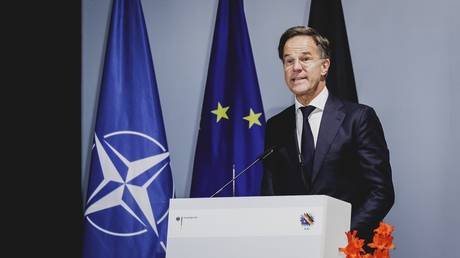
International diplomacy rarely sees moments of raw, unvarnished confrontation like the one that just played out on the global stage. Iranian President Masoud Pezeshkian took to the podium at the United Nations General Assembly and delivered a wartime address that completely shattered diplomatic norms. He didn't just criticize foreign policy. He pointed directly at Washington and Tel Aviv, holding up physical evidence and declaring that ordinary citizens in his country have long been the targets of state-backed aggression.
If you missed the speech, the core argument was simple. Pezeshkian challenged the terrorism labels frequently assigned to Tehran by Western governments, turning the narrative right back around. He argued that the real victims of asymmetric warfare and targeted operations are everyday Iranians.
Visuals That Shook the Assembly Hall
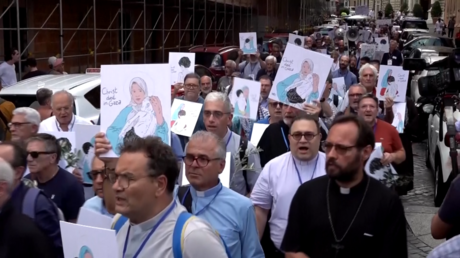
Pezeshkian didn't rely on abstract rhetoric alone. During his speech, he raised photographs high for the assembly to see. The images included former Supreme Leader Ayatollah Ali Khamenei—who was killed early in the conflict—alongside graphic documentation of school children who perished in military strikes.
The strategy was intentional. By displaying these faces, the Iranian administration aimed to put a human element behind geopolitical statistics. It's a high-stakes communications playbook. When a head of state stands at the UN microphone holding photos of dead children, it forces the press corps and global onlookers to look past routine press releases and confront the grim reality of civilian casualties.
Standing Firm Against Economic and Military Pressure
The broader context of Pezeshkian's remarks involves an economy strangled by heavy sanctions, blocked shipping lanes in the vital Strait of Hormuz, and ongoing armed hostilities. Despite facing immense pressure, the Iranian president struck a defiant note. He made it clear that while his government remains open to diplomatic channels, it refuses to surrender under duress.
"Yes they did hit us, but we did not bend the knee," Pezeshkian told the assembly, pushing back against what he characterized as the bullying tactics of the West. He specifically called out former US President Donald Trump by name, signaling that Tehran views the ongoing confrontation as a direct product of American hardline strategies.
Why This Speech Matters Right Now
Global superpowers often use international forums to project strength, but speeches like this reveal deep, unresolved fractures in modern geopolitics. When leaders trade accusations of terrorism from podiums meant for peacebuilding, it signals that diplomatic resolutions are currently stuck in neutral.
The United States mission to the UN did not immediately issue a detailed rebuttal during the session, opting instead to let the diplomatic fallout unfold behind closed doors. Meanwhile, the strategic choke points of the Middle East remain tense, and the path forward looks narrow.
If you want to track how these developments will shape global energy markets, oil shipping lanes, and future security alliances, keep a close eye on upcoming statements from both the White House and Iranian state media. The rhetoric is hardening, and neither side is backing down.
Iran's Pezeshkian challenges US 'terrorist' label in UNGA speech
This video provides direct footage and essential analysis of the Iranian president's address at the United Nations General Assembly.
http://googleusercontent.com/youtube_content/1