Diplomatic high wire acts rarely stay clean for long. During the high-level diplomatic week at the United Nations General Assembly in New York, tensions spiked dramatically. US President Donald Trump used his floor time to warn that the Islamic Republic would face total destruction if a comprehensive peace deal failed to materialize.
Tehran did not let the remark slide. Esmail Baghaei, Iran's Foreign Ministry spokesperson, didn't hold back in his response to state media outlet IRNA. He stated flatly that Trump's threat to "annihilate" the country amounted to an explicit admission of committing international crimes.
If you look past the standard political theater, this latest exchange highlights a widening chasm in international law enforcement, proxy mediation, and global security. Here is what is actually happening behind closed doors at the UN.
Why Iran Stayed in the Room During the Speech
A common question floating around diplomatic circles centers on why the Iranian delegation didn't walk out en masse when Trump took the podium. Optics matter in international relations. Walking out looks like a temper tantrum. Staying looks defiant.
Baghaei addressed this head-on. He noted that the Iranian seat at the UN represents a sacred stronghold for the nation. Abandoning that seat because of harsh rhetoric or bad words would mean failing a fundamental diplomatic duty.
Instead of an empty chair, a lone Iranian diplomat stayed inside the General Assembly hall to monitor proceedings while the higher-level delegation managed strategy outside. It is a calculated move. It signals that Iran refuses to be bullied out of global forums, preferring instead to occupy physical space and log every grievance for the international record.
The Reality of Indirect Talks Through Qatari Mediators
Public rhetoric remains fiery, but behind the scenes, operational diplomacy moves through quiet channels. Baghaei confirmed that indirect interactions between the Iranian delegation and US negotiators happened entirely through a Qatari mediator.
These proxy negotiations weren't brief handshake agreements. Reports indicate the diplomatic contact lasted for hours, focusing on heavy structural grievances:
- An immediate end to ongoing military conflicts across all spheres.
- A hard stop to US aggressive actions directed at the Islamic Republic.
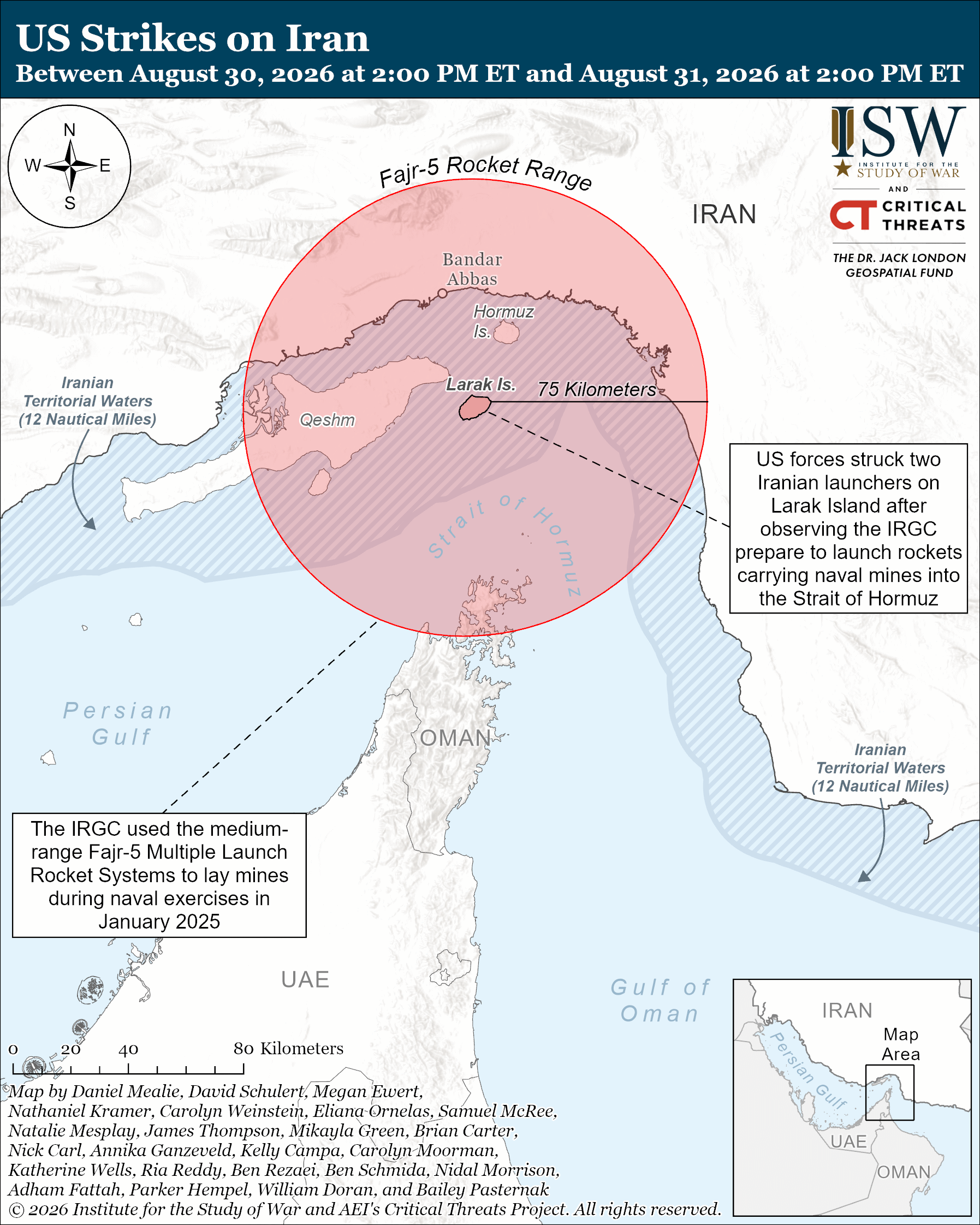
- The lifting of naval blockades in the vital Strait of Hormuz.
- The suspension of what Tehran labels an ongoing economic war.
- The formal release of frozen Iranian financial assets held abroad.
Qatar has carved out a unique niche as the go-to broker for Washington and Tehran. Because direct communication remains politically toxic for both domestic bases, Doha fills the void. It shuttles messages back and forth, trying to prevent accidental escalations from turning into open regional war.
Breaking Down the International Law Argument
When a superpower threatens a nation with total annihilation from the world's biggest stage, legal experts start looking closely at UN charters. Baghaei's core argument rests on the prohibition of the threat or use of force against the territorial integrity or political independence of any state, as outlined in Article 2(4) of the United Nations Charter.
By framing Trump's warning not as a routine political posture, but as a formal admission of intent to violate international law, Iran is trying to build a legal case for the global community. Whether international bodies will act on that framing is a different story entirely. Most Western allies dismiss Tehran's legal complaints as hypocritical given Iran's regional proxy networks. Yet, the framing resonates strongly across the Global South, where concerns over great-power unilateralism run deep.
What Happens Next in US-Iran Relations
Sanctions remain tight. Naval patrols in the Persian Gulf remain active. The economic squeeze on ordinary Iranian citizens hasn't loosened. Until those foundational issues change, proxy talks via Doha are just a pressure valve rather than a path to normalization.
Watch the Strait of Hormuz. Watch the asset release updates out of Qatar. That is where the real story unfolds, far away from the cameras of the UN General Assembly hall.