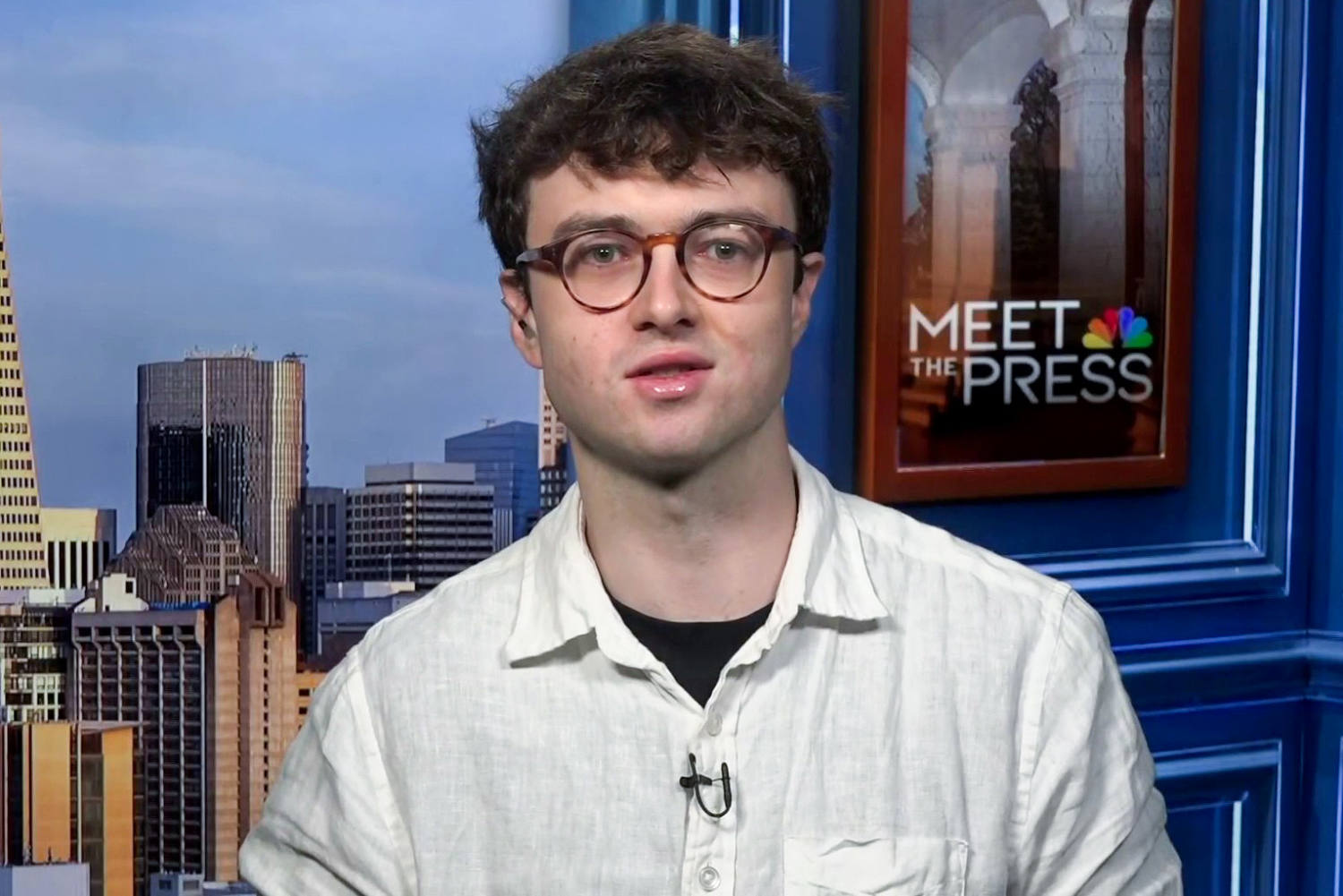
Congress moves at a snail's pace while frontier artificial intelligence moves at lightspeed. That gap creates a massive safety vacuum. Former Anthropic researcher Jacob Coxon recently stepped forward with a provocative stance that has washington scrambling. He argues that lawmakers should let leading artificial intelligence companies police themselves until a proper federal oversight body finally materializes. It sounds backwards. Asking tech giants to supervise their own safety protocols feels like putting foxes in charge of the henhouse.
Yet, looking at how the legislative branch operates, temporary self-regulation might be the least bad choice on the table.
The Reality of Congressional Speed
Writing comprehensive legislation for machine learning models takes years. By the time a committee drafts a bill, debates it, and sends it to the floor, the underlying technology has already evolved through three generations.
Lawmakers often lack technical fluency. Asking politicians who still struggle with basic smartphone features to draft binding guardrails for recursive neural networks is a recipe for disaster. Bad rules will either completely stifle innovation or leave massive loopholes that bad actors can exploit. Coxon recognizes this painful reality. Without an established, technically competent regulatory agency ready to go today, any laws passed right now will likely miss the mark.
Can Tech Companies Be Trusted to Monitor Themselves?
Trusting companies driven by profit and fierce market competition to prioritize safety sounds naive. OpenAI, Anthropic, Google, and Meta are locked in an intense race toward superintelligence. Pausing to check for ethical boundaries eats into precious market share.
However, top labs already employ some of the smartest safety researchers on earth. These internal teams understand the catastrophic risks of unaligned models better than anyone outside the lab. Allowing these internal safety teams to set voluntary standards creates a stopgap. It buys critical time.
Of course, voluntary compliance has glaring flaws. Companies can quietly abandon safety protocols when pressure mounts. That is why self-regulation can only ever be a temporary bandage. It cannot replace a dedicated, independent oversight authority with teeth.
What Real Oversight Needs to Look Like
If Congress decides to delegate temporary control to the labs, lawmakers must simultaneously fund and build a permanent federal agency. This regulatory body needs actual teeth. It needs subpoena power, technical auditing capabilities, and enforceable penalties for reckless deployments.
Relying on good intentions from tech executives won't cut it forever. The stakes are simply too high.
Stop pretending that Congress can magically snap its fingers and pass a bulletproof artificial intelligence bill tomorrow. Accept the messy reality. Give the labs room to establish strict internal guardrails today, but hold their feet to the fire to ensure a genuine federal watchdog is built before that temporary grace period expires.
Anthropic co-founder says the governments should play a role in AI
This video is relevant because it features Anthropic leadership discussing the vital balance between government intervention and industry responsibility in artificial intelligence development.