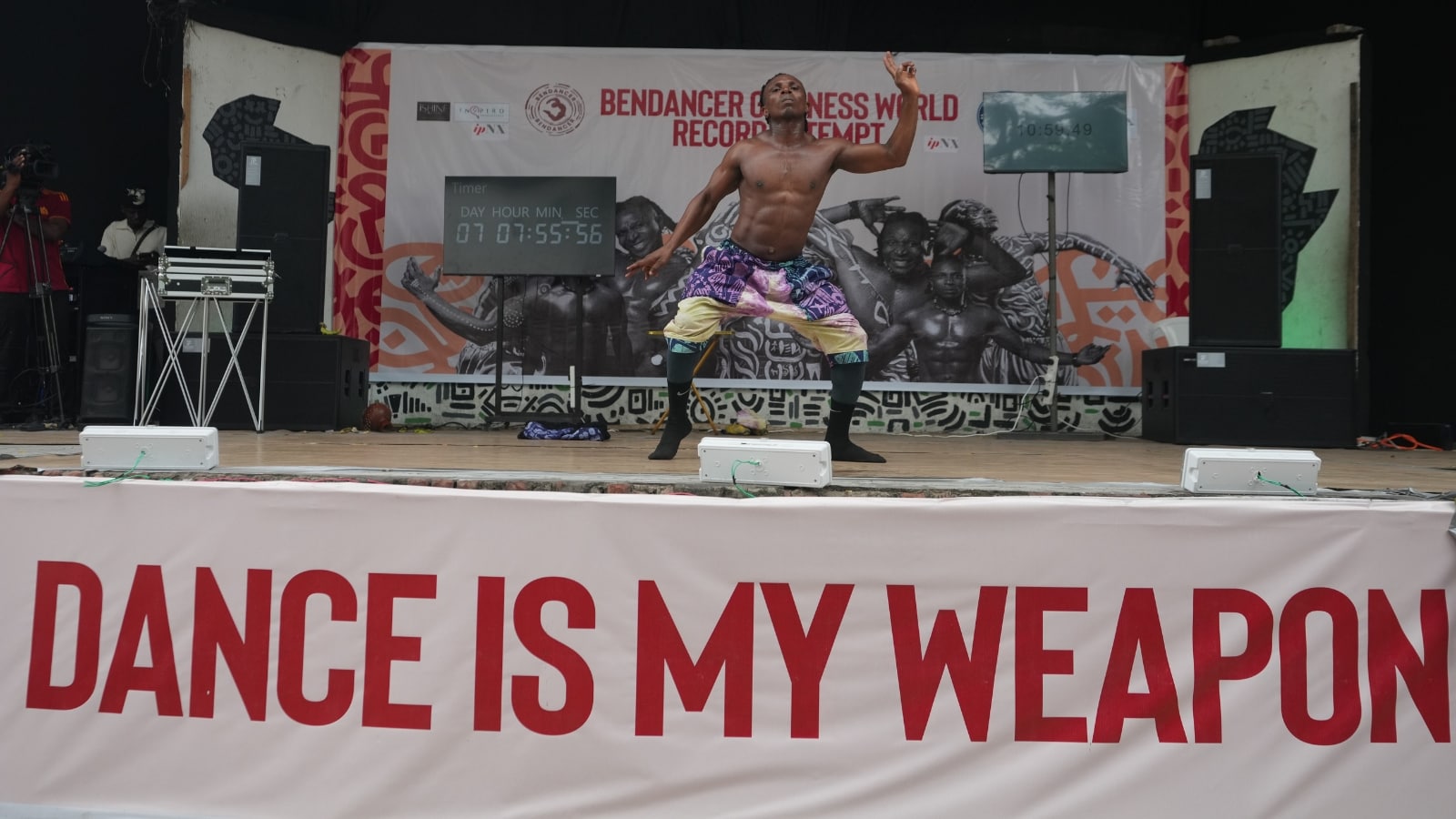
You have probably seen the headlines. A chef cooks for nearly a hundred hours straight. A chess player stares at a board for days on end. Recently, a dancer in Lagos spent over a week moving his feet for 176 hours to shatter an endurance milestone. Nigeria is in the middle of an unprecedented cultural phenomenon, and everyone has an opinion on it.
People outside the country often look at these intense marathons with confusion. Why would someone dance for seven days straight without a proper night's sleep? What drives ordinary citizens to subject their bodies to sheer physical exhaustion just for a certificate?
The answer goes far beyond personal glory. It touches on identity, global visibility, and the deep desire to show the world what African talent looks like when given a stage.
The Spark That Ignited a Nation
While long-form endurance attempts happen all over the globe, the current wave in Nigeria really caught fire after Hilda Baci cooked continuously for over 93 hours in 2023. That single event proved something powerful. It showed that everyday citizens could capture the attention of millions and put their hometowns on the map.
Suddenly, the floodgates opened. Guinness World Records reported thousands of new applications from Nigeria within months. Accountants, artists, teachers, and creators started dreaming up challenges. Some tried reading books aloud for days, while others tackled niche crafts or extreme gaming sessions.
Critics call it a stunt culture driven by social media clout. But walk through Freedom Park in Lagos while a record attempt is happening, and you will see a different reality. You will find local communities rallying together, strangers sharing plates of jollof rice, and crowds chanting encouragement through the night.
Beyond the Certificate
When professional dancer Benjamin Daniel Gabriel pushed past the 168-hour mark in his solo dance marathon, people asked him why he put his body through such agony. His response was simple. The attempt was never just about the record book itself. It was about forcing the global eye to look closely at African indigenous dances, intricate rhythms, and rich cultural heritage.
For decades, creators from the continent have fought for mainstream international recognition. Traditional art forms often get sidelined in favor of Western-dominated pop culture. By staging massive, visible spectacles at home, these record-seekers bring the spotlight directly to their doorsteps. They use sheer willpower to demand the attention that traditional media often denies them.
There is also a powerful internal drive at play. Many participants talk about testing the absolute limits of human endurance. Life in Nigeria comes with daily economic hurdles and systemic frustrations. Surviving those challenges builds a distinct kind of grit. Translating that resilience into a physical endurance test is a way of saying: if we can navigate daily hardships, we can master the impossible.
The Real Cost of Chasing Glory
Let us be honest about the risks, too. These marathons are not a game. Medical professionals frequently sound the alarm about extreme sleep deprivation, muscle breakdown, and cardiovascular stress. When a dancer finishes a seven-day marathon, the first stop is usually the hospital, not a celebration party.
Moreover, Guinness World Records does not pay prize money. Many participants spend their own savings to fund venue rentals, permits, and support teams, hoping that the post-event visibility will open doors for sponsorships or career growth. It is a high-stakes gamble. Not every attempt succeeds, and not every applicant gets official validation from the strict verification board.
Yet, the momentum refuses to slow down.
What This Trend Actually Tells Us
This movement is a masterclass in grassroots marketing and cultural pride. When institutional structures fail to provide global platforms, people build their own stages. They leverage digital connectivity to broadcast their resilience to the entire planet.
If you want to understand modern creative hunger, look at what is happening in Lagos, Abuja, and beyond. People are tired of waiting for permission to be seen. They are taking the spotlight by storm, one grueling hour at a time.
Start paying attention to how digital communities rally around local underdogs. Support creators who are building authentic spaces for their art. The next time you see a headline about an impossible marathon, remember there is a whole ecosystem of passion, struggle, and community behind it.