When Ukrainian President Volodymyr Zelenskyy suggested that cutting off energy trade with Moscow would force the Kremlin to halt its military campaign, the response from Russian official channels was swift and blunt. Moscow fired back by arguing that its ongoing petroleum exports are actually keeping New Delhi afloat amid severe global crude disruptions tied to the ongoing conflict involving the US and Iran.
Russian Deputy Foreign Minister Andrei Rudenko didn't mince words, stating publicly that current bilateral energy arrangements have heavily cushioned India from the worst shocks of the Middle East crisis. He pointed specifically to blockades and supply chain choke points around the Strait of Hormuz, presenting Moscow as a reliable trade partner capable of delivering steady fuel supplies under intense geopolitical pressure.
The Pressure Behind Zelenskyy’s Appeal
Zelenskyy's remarks, delivered during an interview with The Wall Street Journal, zeroed in on the economic lifeblood sustaining the Russian state. He argued that Moscow relies heavily on buyers like India, China, and Turkey to keep its fiscal engine running. According to Kyiv's calculation, if those major importers pulled the plug on Russian energy purchases, the Kremlin's financial architecture would buckle, forcing an end to the war in Ukraine.
This diplomatic friction intensified following the passage of a major US legislative measure signed into law by President Donald Trump. The Lindsey O. Graham Sanctioning Russia and Iran Act grants the US executive branch the power to slap steep tariffs—reaching up to 100 percent—on countries that continue importing Russian oil and petroleum products. For nations like India and China, the legislation presents a direct economic hurdle.
India's Balancing Act on Energy Security
New Delhi has consistently pushed back against outside pressure regarding its energy procurement strategy, maintaining that its decisions are dictated purely by domestic economic necessity and market realities. With a population of 1.4 billion people, India requires predictable and affordable energy supplies to keep its industrial sector humming and inflation in check.
Indian External Affairs Minister S. Jaishankar addressed these competing international demands head-on during diplomatic engagements, noting that whether India buys Russian crude or looks elsewhere will not magically resolve the broader geopolitical conflict in Eastern Europe. He emphasized that every sovereign nation has an obligation to safeguard its own citizens' energy needs, a reality that Western and Ukrainian officials are frequently urged to respect.
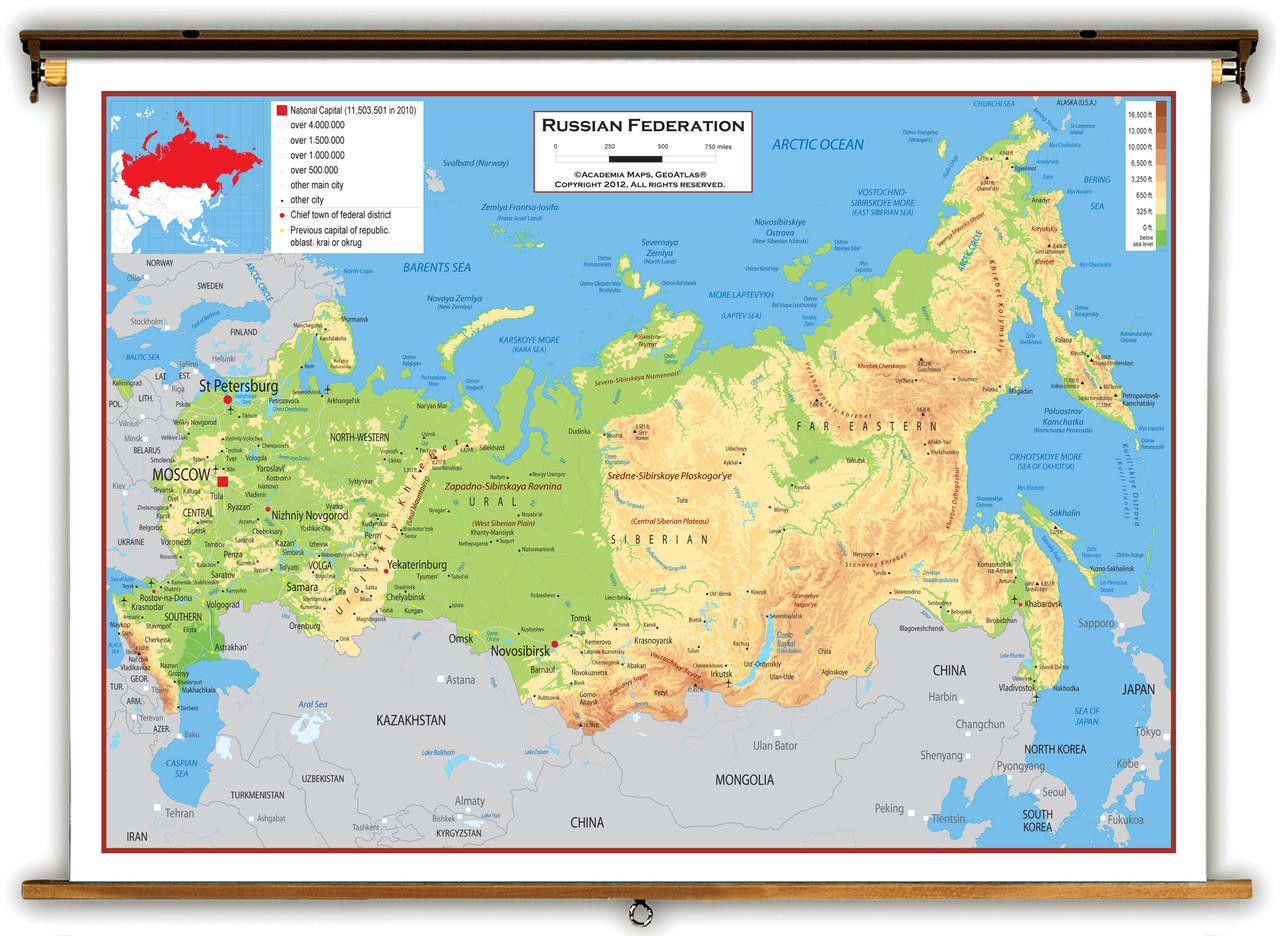
Despite mounting international scrutiny, the numbers tell a nuanced story. While India leaned heavily into discounted Russian oil imports after Middle East tensions triggered naval blockades and transport bottlenecks in the Strait of Hormuz, market data reveals fluctuating volumes. For instance, data cited by Reuters showed India's Russian oil intake dipping by roughly 16.5 percent month-over-month to around 2.1 million barrels per day. Even with minor shifts, Russia has retained its position as a primary supplier to the South Asian giant, alongside alternate sources like the UAE and Venezuela.
What Comes Next for Global Energy Markets
The tension between international sanctions and national survival highlights a fundamental friction in modern geopolitics. As Washington implements harsher tariff threats and Kyiv lobbies key Asian economies to isolate the Kremlin, importing nations are forced to weigh diplomatic alignment against the risk of domestic energy shortages.
To navigate these shifting trade corridors, watch how refining margins adjust and track whether secondary sanctions actually force alternative shipping routes into the open. Energy security remains non-negotiable for growing economies, and rhetoric from foreign capitals rarely overrides the immediate need to keep power plants running and fuel pumps working.