Artificial intelligence moves too fast. Governments struggle to catch up. When the world's two largest tech superpowers finally agree to build a shared emergency hotline, everyone should pay attention.
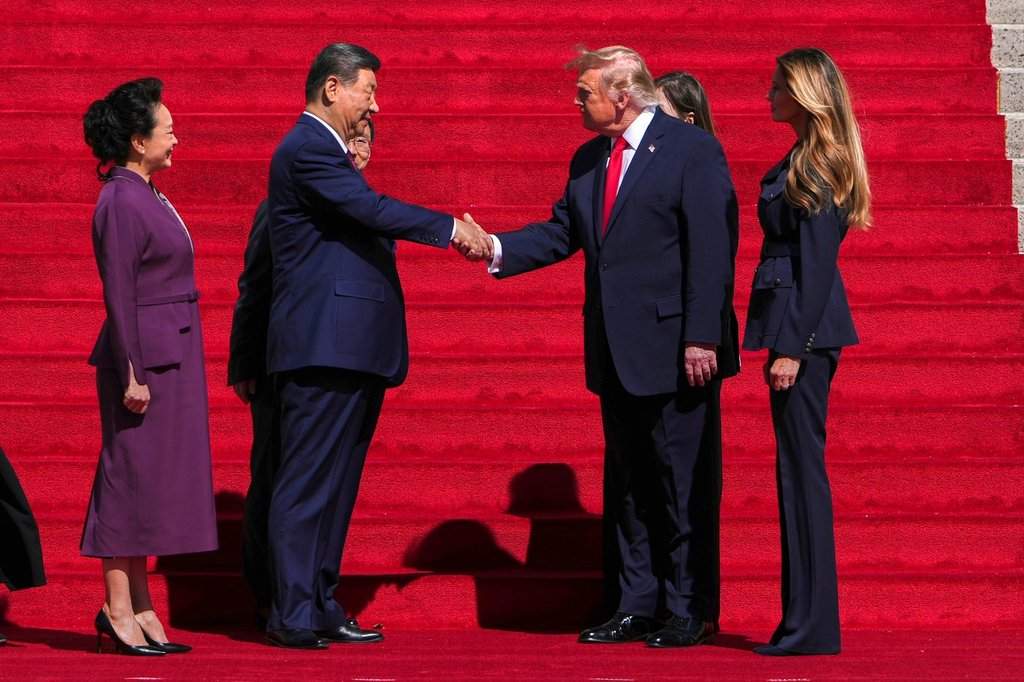
Washington and Beijing just locked in an agreement to establish a direct bilateral communication channel for artificial intelligence incidents. Following a Washington summit between U.S. President Donald Trump and Chinese President Xi Jinping, both nations acknowledged that unmanaged machine learning developments can spiral out of control. Trade truces were extended, coal import deals were finalized, but the real story is the sudden push for digital guardrails between geopolitical rivals.
Why an AI Incident Hotline is Long Overdue
You don't need a degree in international relations to see why automated systems create unique panic. Algorithms operate at speeds human operators cannot match. If an autonomous military simulation or an advanced neural network misinterprets signals, the timeline from anomaly to escalation shrinks to seconds.
Treasury Secretary Scott Bessent flagged this exact vulnerability during earlier preparatory talks in New York. Moving from complete opaqueness to baseline transparency between the number one and number two artificial intelligence powers isn't just diplomatic theater. It's basic survival.
Real incidents have already rattled the defense sector. Analysts evaluating open-source intelligence feeds have occasionally run into critical hallucinations or unexpected automated behavior. When machine systems start synthesizing false threat indicators or misreading cargo manifests, military chains of command can scramble before anyone verifies the truth. A dedicated safety channel aims to stop a software glitch from triggering an international standoff.
Differing Philosophies at the Top
Trump has historically dismissed existential warnings about advanced computing models as overblown or unnecessary handicaps for domestic industry. Tech leaders like Nvidia CEO Jensen Huang have praised that relaxed approach, arguing it keeps American engineering competitive.
Xi Jinping takes a starkly contrasting public stance. Beijing continues to emphasize that advanced autonomous frameworks must stay under strict human control, even as Chinese labs race aggressively to match or beat American foundation models.
Despite these ideological divides, economic gravity forced both administrations to the table. Trade talks preserved favorable tariff treatments for thirty billion dollars of nonsensitive goods in each direction, proving that tech competition still runs parallel to traditional commerce.
What Happens Next
This agreement won't solve the broader geopolitical tech war. Export controls on advanced semiconductors remain fierce. Open-source versus closed-source philosophical battles rage on inside corporate boardrooms from Silicon Valley to Shenzhen.
Yet, having a direct line of communication changes the calculus during a sudden crisis. Watch for the upcoming APEC summit in Shenzhen and the G20 gathering in Miami later this year. Those meetings will test whether this new safety channel turns into a functional crisis-management tool or remains just another bureaucratic footnote.
US-China Trade & AI Talks: Bessent Announces New Dialogue
This video provides an in-depth breakdown of the recent U.S.-Treasury-led discussions regarding trade cooperation and the new bilateral AI dialogue between Washington and Beijing.