Midnight raids, destroyed security cameras, and colonial-era detention laws don't happen in a vacuum. When security forces in Lahore broke into residential properties to arrest the sisters of jailed former Prime Minister Imran Khan, they weren't just responding to a routine legal matter. They were setting the stage for a high-stakes political showdown.
With the Pakistan Tehreek-e-Insaf party calling for a massive countrywide march toward Islamabad, the government is scrambling to neutralize any organized resistance before it hits the streets. But treating family members as strategic threats exposes a deeper panic within the ruling establishment.
The Anatomy of a Midnight Crackdown
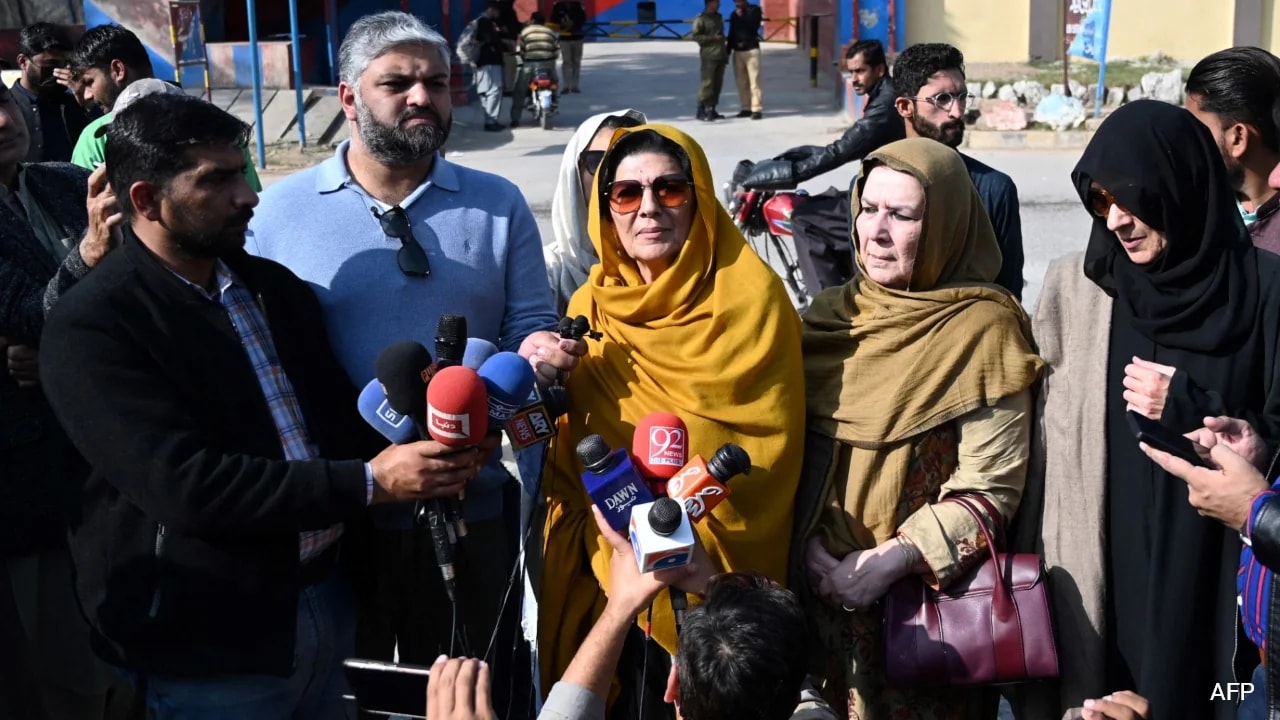
The timeline of the recent detentions reveals a heavy-handed playbook designed to dismantle opposition leadership from the ground up. It started when Aleema Khan went missing on her way home in Lahore. Within hours, authorities slapped 30-day preventive detention orders under the Maintenance of Public Order Ordinance—a statute borrowed from colonial rule that lets authorities lock up dissenters without trial.
Things escalated quickly after midnight. Around two hundred officers surrounded residential compounds, smashed security equipment, and dragged family members, including Dr Uzma Khan and Noreen Niazi, into unmarked vehicles.
Families woke up to shattered doors and terrified toddlers. Lawyers weren't given access, and basic legal protocols were tossed out the window. It's a method that relies entirely on intimidation.
Why the September 27 March Terrifies Islamabad
You have to look at the broader picture to understand the government's aggressive posture. Imran Khan has spent years behind bars at Adiala jail since his initial arrest back in 2023, yet his political machinery refuses to collapse. Every time authorities think they have neutralized the movement, momentum rebuilds.
The upcoming protest march represents a direct challenge to the current power structure. Interior Minister Mohsin Naqvi and other key government figures have publicly warned the opposition against pushing forward, labeling the planned protests as destructive drama. Yet, stopping the march requires more than verbal warnings. It requires cutting off the heads of the organizational structure.
By targeting Khan's sisters, the state hopes to send a clear message to grassroots supporters: stay home, or face the full weight of the security apparatus.
The Cost of Suppressing Political Dissent
Using state machinery to target family members does more than stifle a single protest. It hardens opposition resolve. When peaceful political avenues close entirely, public anger finds other, less predictable channels.
Independent watchdogs and international observers frequently point out how these crackdowns erode constitutional norms in Pakistan. Relying on emergency laws and preventive detentions signals a government that lacks confidence in its own democratic mandate.
Whether the September 27 mobilization successfully reaches Islamabad depends entirely on how much pressure the state applies in the coming hours. No matter the immediate outcome on the streets, sweeping arrests of family members won't solve the structural legitimacy crisis at the heart of Pakistani politics. It only buys the establishment a little more time.