Cross-border tensions in South Asia just crossed a dangerous new line. Pakistan launched retaliatory aerial operations targeting alleged drone launch and storage locations deep inside Afghan territory, marking a sharp escalation in an already volatile neighborhood.
Islamabad confirmed the strikes followed an unprovoked drone incursion originating from Afghan soil. According to Pakistani Information Minister Attaullah Tarar, air defense systems successfully intercepted and neutralized all incoming aerial platforms before they could strike their intended targets. Yet, the military response was swift. Pakistan hit ten specific sites tied to the cross-border drone operation, insisting the response was calibrated and limited strictly to military objectives.
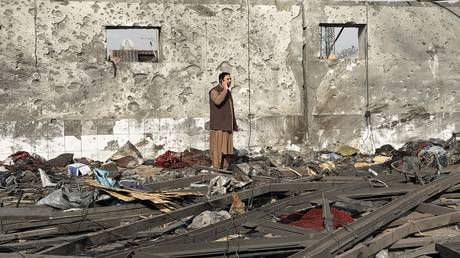
The Taliban government in Kabul paints a starkly different picture. Spokesman Zabiullah Mujahid condemned the bombings, reporting that civilian casualties occurred in provinces including Kandahar, Paktia, and Khost. This back-and-forth reflects a worsening security dynamic along the Durand Line, where neither side appears willing to back down.
The Roots of Cross-Border Friction
Border skirmishes don't happen in a vacuum. Over recent months, Pakistan has witnessed a steady spike in militant attacks, particularly within its western border regions like Khyber Pakhtunkhwa. Islamabad repeatedly points the finger at Kabul, arguing that militant groups operate with impunity from safe havens inside Afghanistan.
Just days prior to the latest drone incident, a devastating car-bomb attack targeted a mosque inside a Pakistani police facility, claiming at least 16 lives. That single event prompted Islamabad to launch targeted air strikes in regions like Kunar and Paktika, which Pakistani officials claimed eliminated dozens of fighters. Kabul countered those claims, stating that the bombs hit civilian homes instead of militant hideouts, resulting in the deaths of women and children.
The Technological Shift in Border Warfare
Unmanned aerial vehicles have transformed skirmishes along mountainous borders into high-tech chess matches. Historically, tensions involved cross-border artillery shelling, small arms fire, or ground infiltration. Today, cheap commercial or improvised drones offer non-state actors and rival security forces a low-cost method to probe air defenses, drop payloads, or conduct surveillance across heavily fortified frontiers.
When drones cross a recognized international boundary, national sovereignty questions ignite instantly. Islamabad views the initial drone incursion as a direct threat to national security that requires immediate kinetic retaliation. Kabul views retaliatory air strikes as a violation of sovereignty and an act of aggression that harms innocent non-combatants.
What Happens Next
The diplomatic freeze between Islamabad and the Taliban administration is deepening by the day. Pakistan insists it will neither accept nor tolerate provocations from across the frontier, signaling that further incursions will invite matching military force. Meanwhile, Kabul continues to warn of appropriate responses to what it terms indiscriminate violations of its airspace.
As rhetoric hardens on both sides, the risk of miscalculation grows. Local populations living along the border bear the immediate brunt of this deteriorating security framework, caught between militant networks and retaliatory air power.