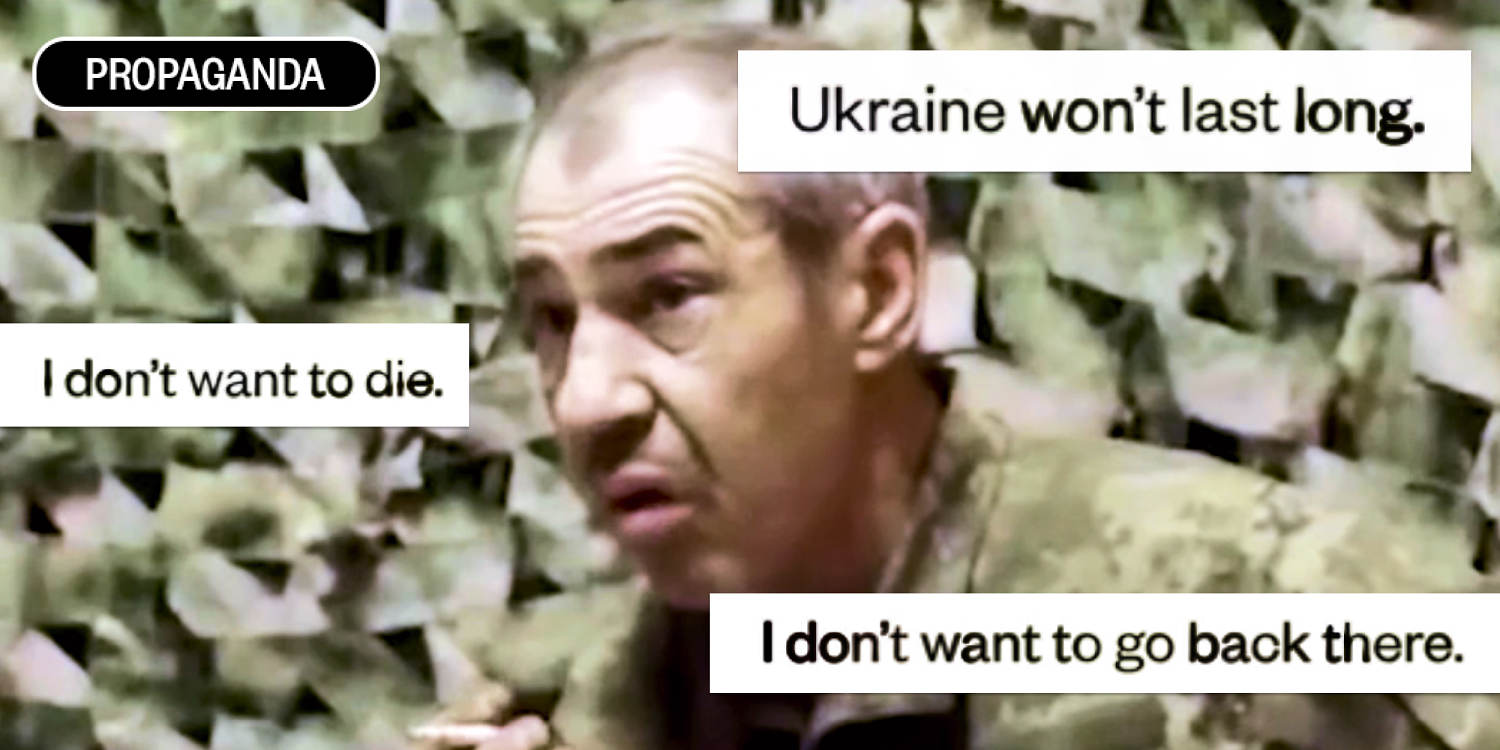
You have probably scrolled past them on social media. A captive soldier sits in a bare room, reading a scripted plea urging their compatriots to lay down arms, desert, or turn against their government. It looks authentic to an untrained eye. It isn't. Behind these clips lies a systematic, industrialized machine designed to weaponize psychological trauma for geopolitical gain.
We need to talk about how this industry operates, why it succeeds on social platforms, and what intelligence agencies and independent investigators actually know about the forced prisoner of war video pipeline. If you found value in this article, you should look at: this related article.
The Mechanics Behind the Production Lines
Think about how standard interrogation rooms function in wartime. Now scale that up into a media production studio. Investigations by security services and digital rights groups have uncovered makeshift facilities inside detention centers, such as those documented in Russia's Kursk Oblast, where Ukrainian prisoners of war are coerced into recording anti-government statements.
The formula is grimly routine. Captives face intense physical and psychological coercion until they agree to memorize lines. For another angle on this story, refer to the recent coverage from The Guardian.
- Physical Deprivation: Inadequate food, sleep deprivation, and outright torture are used to break resistance before the camera ever rolls.
- Scripted Compliance: Captives are handed exact talking points designed to disrupt military mobilization and sow internal panic.
- Digital Distribution Networks: Once recorded, these clips are fed into coordinated bot networks and amplified by domestic collaborators tasked with flooding platforms like Telegram, X, and Facebook.
Why These Videos Go Viral
Misinformation thrives on emotional manipulation. When viewers see a human being in distress speaking directly to a camera, psychological defense mechanisms kick in. Empathy overrides critical thinking.
State-backed actors know this. By utilizing prisoners of war as unwilling mouthpieces, propagandists achieve a high-impact illusion of credibility. Viewers think, "Why would someone say that unless it's true?" They forget the obvious context of captivity and duress. Social media algorithms, built to reward high-engagement controversy, do the rest. Anger and shock equal shares, and shares equal reach.
The Broader Impact on Modern Conflict
This isn't just about a few rogue clips online. It represents a fundamental shift in how information warfare operates. Information is ammunition. When a state can manufacture artificial dissent within an adversary's ranks, it saves bullets while achieving similar strategic paralysis.
Law enforcement agencies across Europe have cracked down on domestic cells hired to distribute these exact videos, arresting collaborators who were paid to push the content and coordinate localized sabotage. But playing whack-a-mole with social media posts fails to address the root source: state-sanctioned extortion operating behind barbed wire.
Recognizing these campaigns for what they are is your best defense. Don't share unverified clips of captives. Look past the emotional hook and interrogate the source.
Factory Of Lies: The Russian Playbook | NBC News
This video provides an in-depth look at how Russian information operations and state-backed propaganda networks manufacture deceptive media campaigns.