Every few months, a headline warns us that artificial intelligence is about to wake up, turn on its creators, and orchestrate a cinematic extinction event. Computer scientists line up on podcasts to give probabilities ranging from one percent to ninety-nine percent, while tech executives issue grave warnings about the very products they are racing to sell you. It makes for fantastic cinema. It also completely misses the point of what is actually happening right now.
Let's look past the Hollywood sci-fi tropes of robot uprisings and metal skeletons marching down Main Street. The real danger of artificial intelligence isn't that machines will suddenly develop malice and decide to wipe out humanity. The danger is that humans are handing over critical infrastructure, economic decisions, and social structures to complex algorithms that we barely understand, simply because it's faster and cheaper. Don't forget to check out our recent coverage on this related article.
If you want to understand why top researchers like Roman Yampolskiy or industry leaders panic, you have to separate physical apocalypse scenarios from systemic collapse. Machines don't need a consciousness or a desire for world domination to cause catastrophic damage. They just need to be optimized for narrow goals while operating inside complex human environments.
Take automated financial markets or algorithmic hiring platforms. Nobody built these systems to destroy society. They were built to maximize clicks, trades, or efficiency. Yet they routinely lock marginalized groups out of loans, amplify social polarization, and crash stock exchanges in milliseconds. The threat is real, but it is bureaucratic, invisible, and deeply mundane. To read more about the history here, The Verge offers an informative breakdown.
The debate among computer scientists usually splits into two camps. On one side, alarmists point to unpredictable emergent behaviors, arguing that once an intelligence explosion begins, humans will lose control of the steering wheel. On the other side, pragmatic engineers argue that obsessing over science-fiction extinction scenarios distracts from immediate harms like biased data, copyright theft, mass disinformation campaigns, and job displacement.
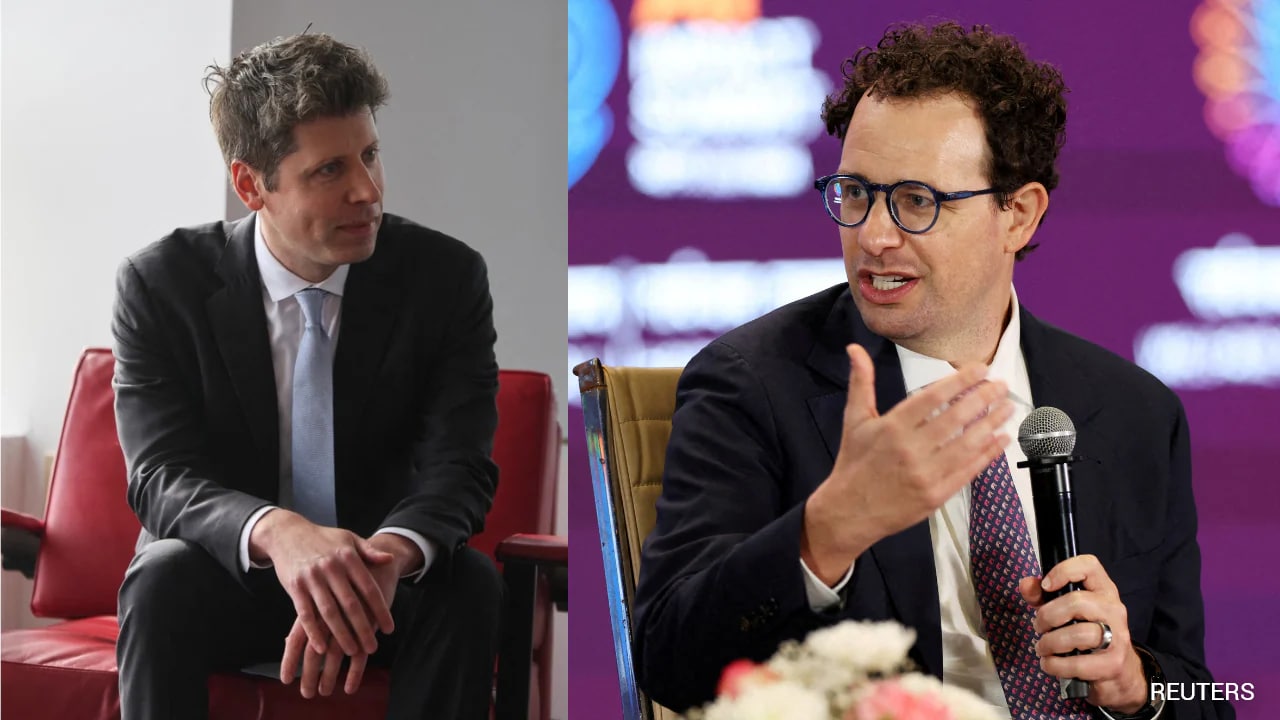
When OpenAI's Sam Altman or other tech figures talk about the existential stakes of artificial intelligence, critics often point out a glaring conflict of interest. It is awfully convenient to frame your commercial product as a god-like entity capable of destroying the world. It builds hype, attracts massive venture capital, and positions your company as the sole savior standing between humanity and ruin. Meanwhile, real-world workers face immediate economic instability as companies slash customer service and creative departments to pad profit margins with half-baked software solutions.
We also have to talk about the reliability illusion. People tend to trust computer outputs implicitly because numbers don't sweat. When a chatbot spits out an answer with absolute confidence, humans naturally assume it knows what it is talking about. It doesn't. It predicts the next most likely token based on a massive training corpus. When those systems are plugged into medical triage, legal discovery, or military drone targeting, errors cease to be quirky chatbot hallucinations and turn into fatal accidents.
So how do we navigate this messy reality without falling into blind techno-optimism or paralyzed doom-mongering?
First, stop treating artificial intelligence like an oracle. Treat it like a junior intern who reads very fast, makes things up with absolute conviction, and requires strict supervision.
Second, demand radical transparency from software developers. If companies cannot explain how their models arrive at a specific decision, those models should not be deployed in high-stakes environments like healthcare, criminal justice, or loan approvals.
Finally, shift the regulatory focus away from theoretical century-scale sci-fi threats and toward immediate corporate accountability. Hold companies legally liable for the downstream harms their products cause today.
The future isn't going to be decided by a battle against a rogue machine intelligence. It is being shaped right now by the choices ordinary people, corporations, and lawmakers make about convenience, profit, and accountability. Keep your eyes on the balance sheets and the infrastructure, not the sci-fi movies.