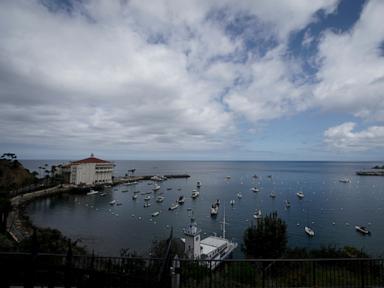
The Pacific Ocean doesn't give up its secrets easily. Police divers off the coast of Catalina Island learned that harsh reality firsthand after a grim search concluded in the cold depths of the water.
Search teams located the body of the patient who went missing after a medical helicopter crashed off the Southern California coast. That tragic discovery brings the final death toll to three people, compounding a devastating week for aviation safety in the region.
Understanding What Happened Off Catalina Island
The disaster unfolded when a medical transport helicopter went down in the Pacific Ocean near Catalina Island. Flight data showed the Eurocopter EC135-P2 had landed on the island shortly after 7 p.m. following a brief twenty-four-minute flight from an airport in Oceanside. Shortly before 8 p.m., emergency responders received calls about the crash.
Two people were pronounced dead at the scene during the initial recovery efforts. Two other survivors were pulled from the water in stable condition and rushed to mainland hospitals for treatment. However, the patient being transported remained unaccounted for, sparking an intensive underwater search operation.
Police divers eventually located the missing patient in deep water, bringing a measure of closure to grieving families, even as profound questions remain about the mechanical and environmental factors behind the accident.
The Human Cost of Emergency Aviation
Local leaders and emergency agencies expressed heartbreak over the accident. Los Angeles County Supervisor Janice Hahn shared her grief publicly, noting that the individuals aboard the flight devoted their daily lives to saving others. REACH, the organization operating the medical flight, released statements emphasizing support for the families and coworkers affected by the tragedy.
Medical evacuation crews face immense risks every time they lift off. They fly in unpredictable weather, navigate rugged terrain, and touch down in remote spots under immense time pressure. When accidents occur, they highlight the hidden dangers inherent in airborne healthcare.
A Troubling Pattern in California Skies
This catastrophe didn't happen in a vacuum. It arrived amid a terrifying spike in California aviation accidents. Just eleven days prior, two pilots lost their lives when a firefighting helicopter crashed while battling flames in Yosemite National Park. Weeks earlier, a news helicopter went down in Los Angeles, claiming two more lives.
Those back-to-back disasters put intense scrutiny on air safety standards across the state. Investigators from the National Transportation Safety Board secured the wreckage of the Catalina crash, planning to transport the aircraft to a secure facility for a rigorous technical evaluation.
What Comes Next for Investigators
Determining the exact cause of the crash will take months of painstaking work. Federal investigators will analyze flight recorder data, maintenance logs, weather conditions, and pilot communications. Aviation experts know that accidents rarely stem from a single failure. They usually result from a lethal chain of compounding factors.
For now, communities on both the mainland and Catalina Island are left mourning the lives cut short while honoring the relentless dedication of emergency responders who risk everything to answer the call.
Catalina Island helicopter crash recovery update
This video provides a news broadcast detailing the recovery operation and the response from local authorities following the tragic crash off Catalina Island.