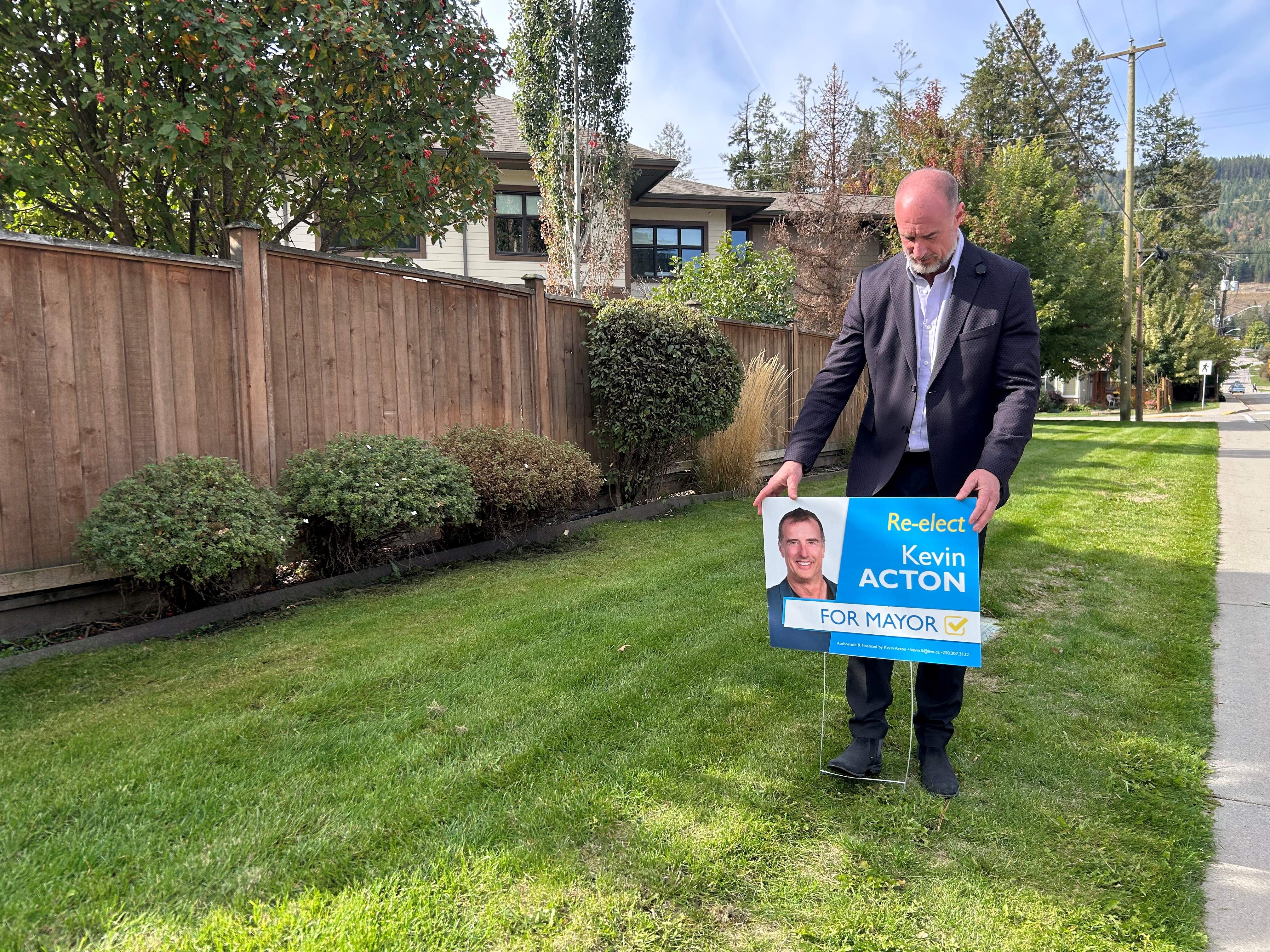
Political double-dipping usually gets politicians into hot water. But when a longtime mayor decides to run in both municipal and provincial elections at the same time, the rules of engagement change entirely. Kevin Acton, the veteran mayor of Lumby, British Columbia, found himself on two separate ballots when a snap provincial election collided squarely with local government timelines.
Instead of stepping aside from one race, he planted his flag in both.
You might call it ambitious. Critics call it a conflict of interest. Local voters? They mostly just want to know who is going to fix the potholes if he wins the big seat in Victoria. This high-stakes double run exposes deep cracks in how Canadian electoral cycles overlap, forcing us to look closely at whether politicians should ever hold dual ambitions while collecting a public salary.
The Timing Trap That Forced A Dual Campaign
Electoral calendars are supposed to run like clockwork. Municipal terms are fixed, provincial timelines are predictable, and politicians usually finish one job before applying for another upward promotion. Then reality hits. When a provincial election gets called right in the middle of a local campaign, incumbents face an impossible choice.
Acton was already locked into his campaign to hold onto the Lumby mayoral seat when provincial writ drops scrambled the deck. Rather than clear the field and hand his mayoral opponent an uncontested acclamation—which he argued would cheat local voters out of a real choice—he threw his hat into the ring as the BC Conservative candidate for Vernon-Lumby.
It is a logistical nightmare. Local council meetings don't pause just because you are canvassing rural highways for a provincial seat. Town halls still happen. Zoning bylaws still need votes. Trying to manage a village while auditioning for the provincial legislature means working seventy-hour weeks with very little margin for error.
The Ethics Of Voting Twice For The Same Person
Political scientists hate these overlapping scenarios for good reason. Hamish Telford, an associate professor at the University of the Fraser Valley, pointed out the obvious electoral hazard: voters start wondering if the candidate actually cares about the local community or is just using the mayor's office as a safe fallback plan.
If you lose the provincial race, you scurry back to city hall and pretend you never left. If you win, you bail on the municipality you promised to serve for the next four years, leaving taxpayers holding the bag for an expensive emergency byelection.
Acton tried to neutralize that specific criticism with a blunt financial promise. If he wins a seat in the provincial legislature and has to vacate his mayoral chair, he vowed to personally write a check to cover the entire cost of the municipal byelection via a donation to the village.
That gesture opened up an entirely separate legal and ethical can of worms.
Can Rich Candidates Buy Their Way Out Of Byelections?
Writing a check to cover democratic administration costs sounds responsible on paper, but it sets a dangerous precedent.
If a candidate is wealthy enough to fund a municipal vote out of pocket, does that give them a free pass to treat local government as a stepping stone? Critics argue that normal citizens cannot afford to trigger sudden democratic expenses, effectively locking working-class politicians out of playing dual-threat politics.
This isn't even entirely unprecedented in British Columbia. Back in 2013, former Penticton Mayor Dan Ashton shelled out more than thirty thousand dollars of his own money to cover a vacant mayoral seat after jumping to the provincial legislature. Elections BC maintains strict distance from local election administration costs, leaving these strange financial workarounds flying in a regulatory grey zone.
When private personal cheques start financing public ballots, democracy starts looking less like a civic duty and more like a high-stakes corporate relocation package.
What Everyday Voters Actually Think
While political pundits scream about ethics loopholes and constitutional optics, the reaction on the ground in Lumby tells a different story. Everyday residents tend to care less about political theory and more about whether their garbage gets picked up on time.
Many local voters shrugged off the dual candidacy. When your choice is between an active, known incumbent and an uncontested vacuum, having a familiar face on the ballot feels safer—even if that face might disappear to Victoria by month's end. People appreciate practicality over pristine political etiquette. If a leader has delivered results for a decade, voters cut them some slack when ambition knocks.
Yet the underlying tension remains. Municipal politics are supposed to be grassroots, community-focused, and entirely divorced from partisan provincial branding. When a mayor wears a party badge for a provincial run while presiding over a non-partisan village council, the lines blur beyond recognition.
Local governments are built to handle local problems. They shouldn't serve as lifeboats for ambitious politicians waiting for a provincial promotion. If provincial leaders keep triggering chaotic overlapping election cycles, expect more mayors to test these boundaries—and expect voters to demand clearer rules before candidates are ever allowed to run for two jobs at once.