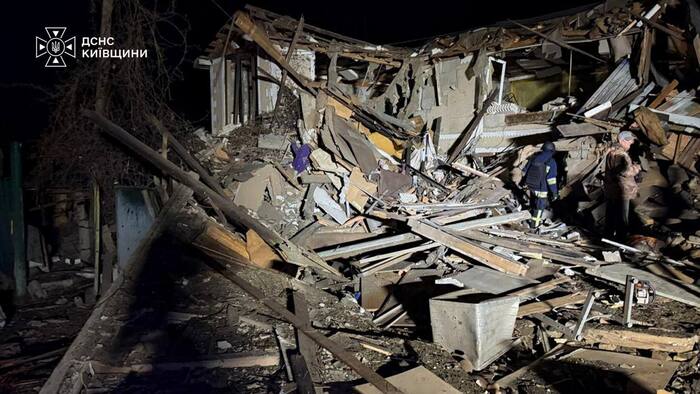
Winter is coming, and Moscow is using an old playbook with a deadlier twist. Russia has escalated its aerial campaign against Kyiv and the surrounding region, striking residential neighborhoods and civilian infrastructure while killing four people, including a child. These attacks aren't random. They form a calculated strategy designed to freeze out Ukrainians before the cold sets in, testing whether air defenses can hold up against a massive influx of ballistic missiles and new jet-powered drones.
The Anatomy of the New Air Assault
Air raid sirens have become an exhausting daily reality for millions in the Ukrainian capital. The recent strikes shattered homes in Vyshhorod and multiple Kyiv districts, pulling residents from their sleep and forcing emergency crews to dig through rubble. Tymur Tkachenko, head of the regional military administration, confirmed that rescue teams pulled three people from a destroyed private home where a young child lost their life.
President Volodymyr Zelenskyy pointed out the obvious on social media: energy infrastructure is the primary target. Moscow wants to cripple electricity, heating, and data networks. Ukrainian Air Force spokesman Yurii Ihnat noted that the volume of aerial weapons has surged dramatically. While Russia fired 2,850 jet-powered drones in August, they launched over 3,100 of them in September alone. These cheap, hard-to-intercept drones are paired with ballistic missiles to overwhelm Patriot air defense batteries and other ground systems.
Why the Power Grid Remains the Main Objective
Hitting power plants and substations is a brutal psychological and physical tactic. When temperatures drop, losing electricity means losing heating, water, and basic sanitation. It turns everyday survival into an endurance test for civilians.
The Russian Defense Ministry claimed its overnight barrages hit thermal and hydroelectric power plants, electrical substations, and data storage facilities. While local authorities focus on repairing damaged civil areas and securing the grid, the sheer scale of the bombardment stretches resources thin. Ukraine's strategy relies heavily on interceptor missiles supplied by international partners. Every intercepted drone or missile costs thousands of dollars to stop, while the economic toll of constant alerts and shutdowns mounts daily.
What Comes Next as Diplomacy Stalls
More than four years into a devastating conflict, diplomatic solutions remain deadlocked. Moscow demands territorial concessions that Kyiv refuses to entertain, and peace talks are practically non-existent. International support remains critical, but logistics and supply constraints mean Ukraine's defenders must make every single anti-air missile count.
As the weather cools, the success of the defense depends almost entirely on the speed and volume of foreign air defense deliveries. Keeping the lights on in Kyiv is no longer just an engineering challenge. It is the frontline of national survival.