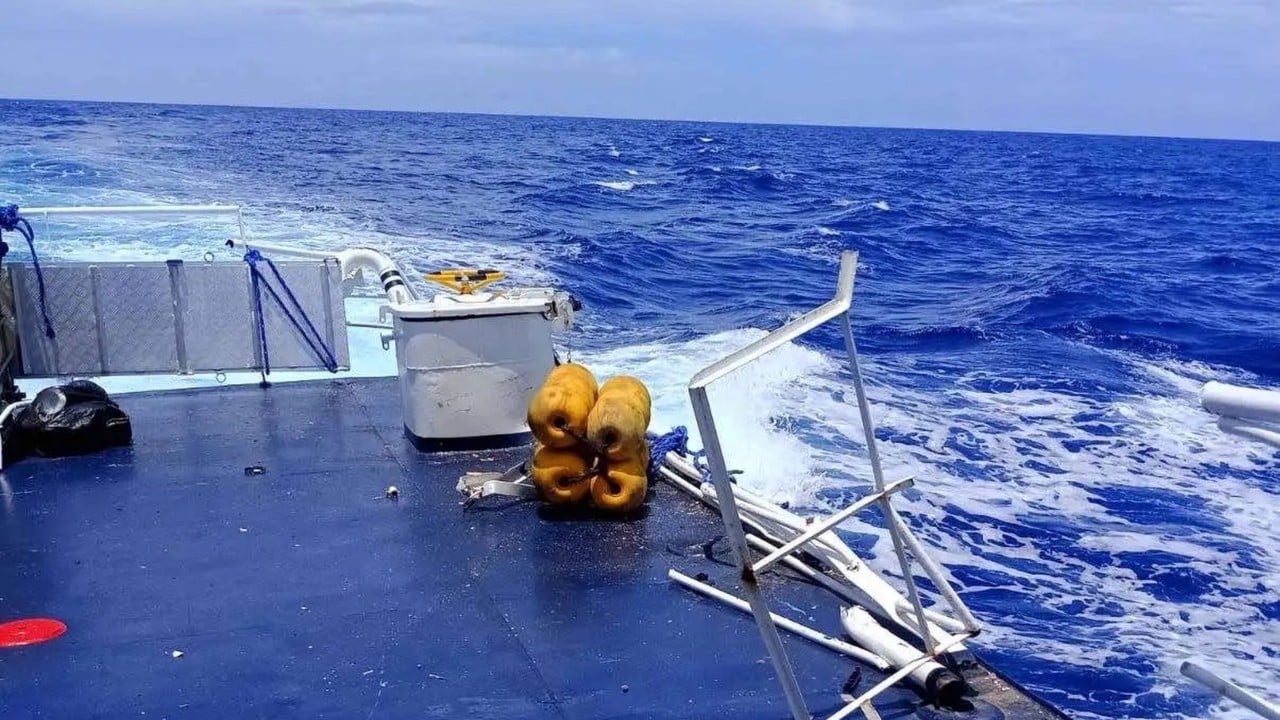
Another day, another high-stakes collision in the South China Sea. This time, the focal point is Sabina Shoal, where a fresh crash between Chinese and Philippine vessels has once again dragged regional tensions into the spotlight. Both Beijing and Manila are pointing fingers, each claiming the other initiated the reckless ramming maneuver. But beneath the traded accusations lies a grinding, high-risk geopolitical friction that doesn't look like it's going away anytime soon.
If you’re wondering why this specific atoll matters so much, you aren't alone. Sabina Shoal has quietly transformed into one of the most dangerous flashpoints in maritime Asia. Located inside the Philippines' exclusive economic zone, the shoal sits uncomfortably close to the center of competing territorial ambitions. China claims nearly the entire waterway under its expansive historic assertions, setting the stage for constant, tense standoffs with regional neighbors.
The Blame Game at Sea
Following the latest incident, the narrative from both sides followed a familiar, rigid script. Beijing's coast guard claimed a Philippine boat deliberately adjusted its course to cross the bow of a Chinese patrol vessel, calling the move a blatant provocation. Manila fired back with its own version of events, arguing that aggressive and unlawful maneuvering by larger Chinese ships forced the collision in the first place.
Truth gets messy in contested waters. Without independent observers on the bridge of every ship, these incidents turn into propaganda battles where everyone claims the moral high ground. What's clear, though, is the sheer frequency of these brushes. Ships rubbing hull-to-hull isn't an accidental navigation error; it's the physical manifestation of a slow-motion territorial chess match.
Why Sabina Shoal is the New Battleground
For years, the Second Thomas Shoal grabbed all the headlines with its dramatic resupply missions and stranded warships. Now, attention has shifted north to Sabina Shoal. Both nations view this area as a crucial anchor for long-term territorial control. When the Philippines stationed a coast guard vessel there to monitor potential land reclamation or occupation efforts, Beijing responded by surging its own maritime forces to surround and crowd the area.
You cannot look at these collisions as isolated accidents. They are the direct byproduct of a strategy where both sides refuse to blink. China wants to normalize its physical presence across the entire region, treating Manila's patrols as illegal intrusions. Meanwhile, the Philippines is pushing back with asymmetric tactics, refusing to surrender its maritime rights despite being out-muscled by a much larger fleet.
The Real Cost of Brinkmanship
Every time steel hits steel out on the water, the margin for error shrinks. A misjudged speed, a sudden wave, or a panicked crew reaction could easily escalate a minor bump into a major crisis involving loss of life or military intervention. Regional allies like the United States watch these developments closely, bound by defense treaties that make a local maritime skirmish a potential global headache.
Diplomatic protests fly back and forth after every crash, but words are losing their weight. Beijing demands that Manila pull back its vessels and cease all sovereign assertions, while Philippine officials insist they have every right to operate freely in their own backyard. Until a practical framework or code of conduct manages to tie down these competing patrols, expect more dangerous encounters on the horizon. The next collision might not end quite as cleanly.