You can't build a futuristic economic empire while your southern doorstep is burning. Riyadh learned this lesson the hard way. For years, Saudi leadership tried to treat the conflict in Yemen as a localized headache that could be managed, contained, and eventually ignored through a 2022 UN-brokered truce. That illusion is completely shattered now. The sudden resurgence of fighting and aggressive Houthi maneuvers along critical maritime chokepoints prove that Saudi Arabia's Yemen nightmare has come back to haunt it with full force.
If you're wondering why a frozen conflict suddenly boiled over into a full-scale regional crisis, you have to look at the intersection of energy security and geopolitical ambition. The kingdom's massive Vision 2030 economic transformation plan requires absolute stability. Yet, the wider Middle East turbulence has dragged Saudi Arabia right back into the crosshairs.
The Strategic Trap of the Red Sea
When the Bab al-Mandab Strait and the Red Sea coastline fall under hostile pressure, a nation's export routes face an existential threat. Riyadh heavily relies on its western infrastructure and the Red Sea shipping lanes, especially when alternative transit options like the Strait of Hormuz face severe disruptions from ongoing US-Iran confrontations.
The Houthis know this vulnerability inside out. By seizing control of strategic coastal areas and pushing near critical maritime lanes, they transformed what used to be a messy border skirmish into a chokehold on global energy flows. When oil prices spike past one hundred dollars a barrel due to attacks on infrastructure, the economic toll hits home instantly.
- Border Vulnerability: Decades of trying to insulate the domestic economy from regional proxy warfare have failed.
- Energy Exposure: Critical pipelines and export terminals are directly exposed to drone and missile strikes.
- Limited Allies: Past expectations of robust defense commitments from partners haven't translated into active military rescue on the ground.
Why the 2022 Truce Collapsed
The relative calm that followed the UN-brokered pause in 2022 was always built on shaky foundations. Unresolved issues like public sector salaries in northern territories, commercial flights, port access, and the division of economic resources were simply swept under the rug.
Nobody fixed the core political governance problem. As regional tensions erupted following late-2023 conflicts and subsequent flare-ups, the fragile local equilibrium collapsed overnight. The Houthis capitalized on the chaos, launching a sweeping offensive that displaced tens of thousands of Yemenis and dragged Riyadh back into heavy airstrikes.
The Limits of Military Intervention
Saudi Arabia finds itself stuck in a brutal strategic dilemma today. Sitting back and absorbing relentless drone and missile strikes against energy installations or holy sites is politically impossible. At the same time, diving back into a massive, multi-year military quagmire risks bleeding billions of dollars that should be funding domestic gigaprojects.
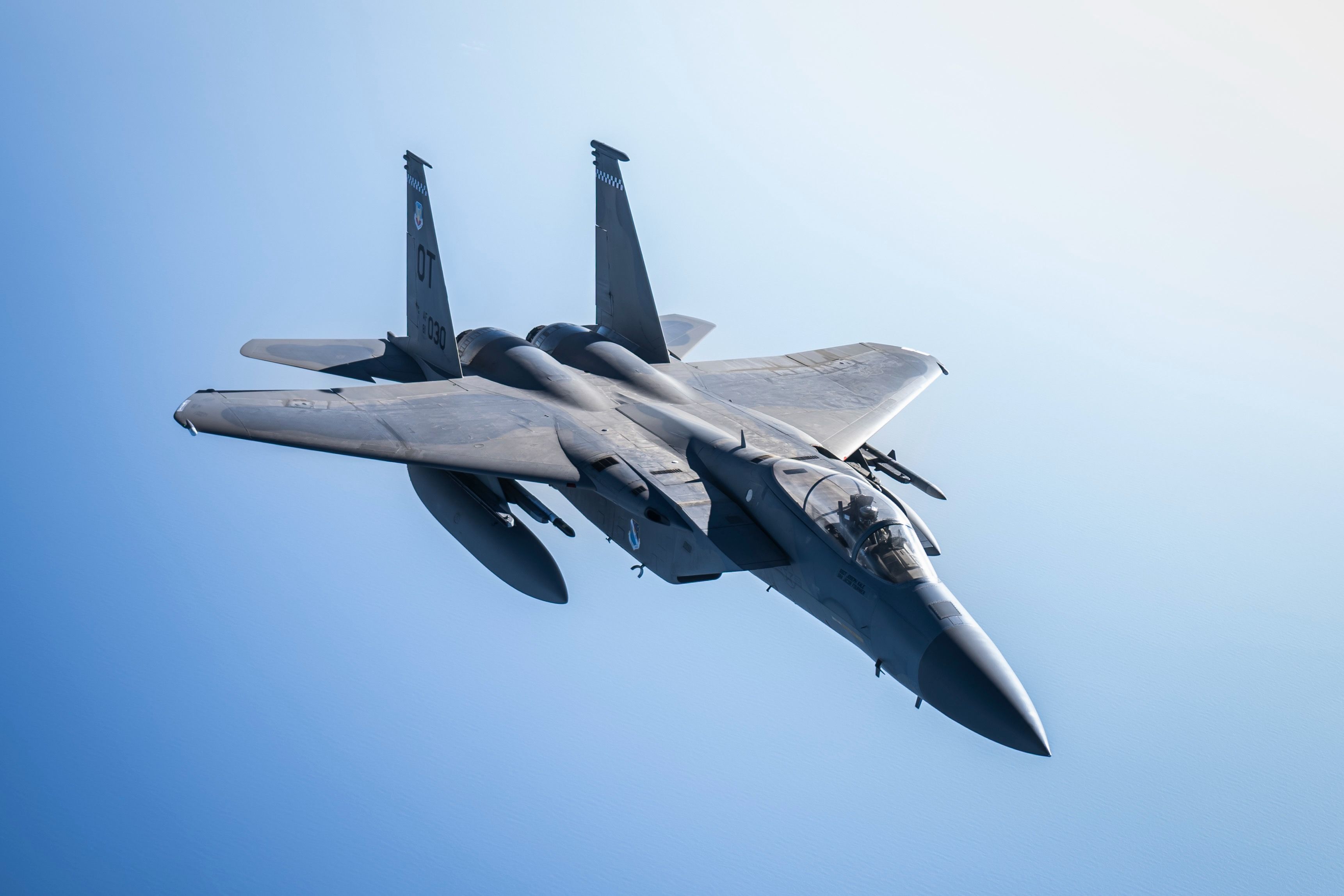
Reports that the Saudi leadership sought external military backing from Western and regional partners only highlight how difficult the situation has become. When modern fighter jets get targeted and security alerts buzz around major cultural hubs, theory meets a harsh reality. You can't out-plan a persistent asymmetric threat on your border.
The kingdom wanted to move past the military intervention that began back in 2015. Instead, the regional chessboard shifted underneath them.
Pay close attention to how maritime security agreements and regional diplomacy unfold next. If the Bab al-Mandab Strait remains compromised, the financial shockwaves will force a complete recalculation of security doctrines across the entire Gulf region.
Is Yemen Heading Back to All-Out War? Saudis Launch...
This video provides an in-depth look at the recent escalation between Houthi forces and Saudi Arabia over control of the vital Bab el-Mandeb strait.
http://googleusercontent.com/youtube_content/1