Two separate bloodshed incidents over a single weekend have pushed South Africa's security crisis back into the global spotlight. Authorities confirmed that the combined death toll from weekend mass shootings has climbed to 28 after another critically wounded victim passed away in the hospital.
Gun violence in South Africa isn't new. But the sheer brutality and scale of these latest weekend mass shootings demand a harder look at what is going wrong. In other news, read about: How One Puddle In Ghana Sparked A Clean Water Revolution That Changed 380000 Lives.
Inside the Weekend Mass Shootings
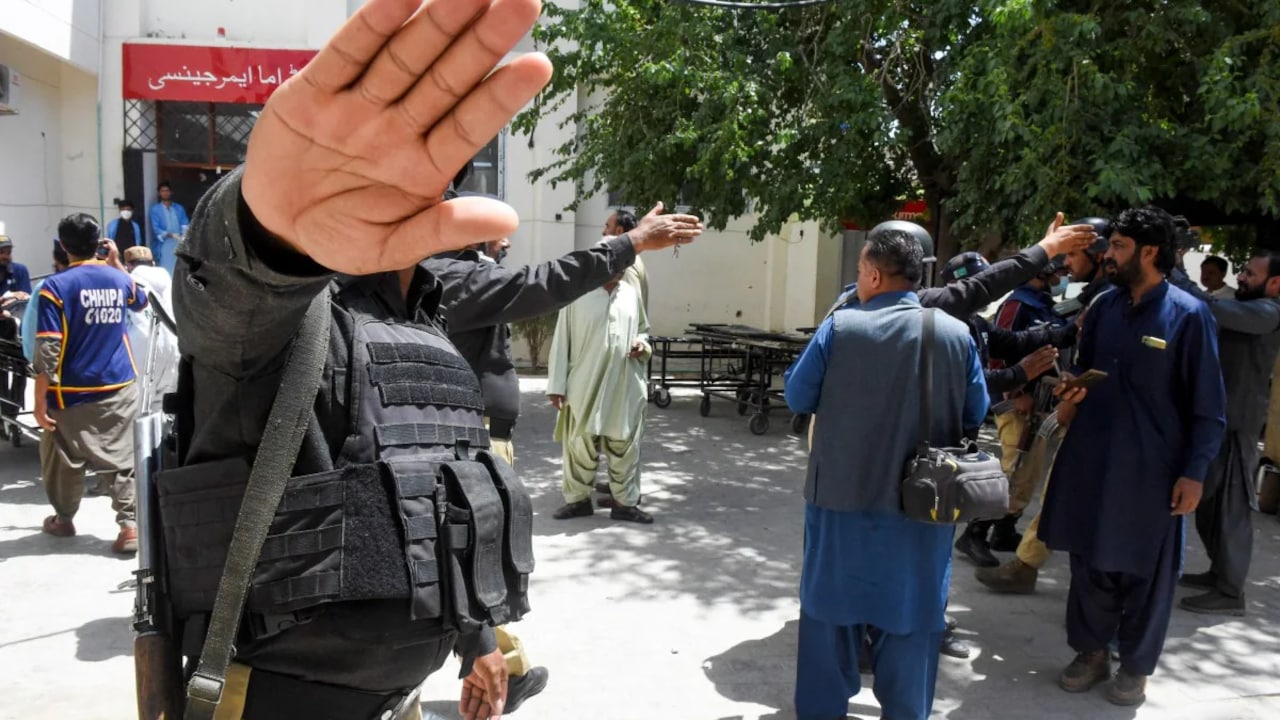
The violence unfolded across two major regions hours apart. On Saturday night, a group of eight armed men carrying AK-47 assault rifles and pistols stormed a tavern in Wedela township, located southwest of Johannesburg. They opened fire on patrons outside before marching inside to continue the slaughter. Attackers looted mobile phones from victims and torched two vehicles outside before fleeing.
Only four hours later, roughly 1,300 kilometers away, another armed assault struck a township venue in Lwandle near Cape Town. That early Sunday morning attack left 10 people dead and 11 others wounded. NBC News has provided coverage on this critical issue in great detail.
By Monday, officials confirmed the grim tally hit 28 total fatalities between the two scenes. Police launched massive manhunts, yet zero arrests had been secured as investigators combed through forensic evidence.
Why Township Taverns Are Targeted
Many casual observers assume these attacks are random, chaotic armed robberies gone wrong. They're missing the bigger picture.
Township venues and informal bars frequently find themselves caught in the crosshairs of organized crime syndicates, illegal mining disputes, and territorial protection rackets. Local operators who refuse to pay extortion fees often face violent retaliation. When automatic weapons like AK-47s are deployed in crowded enclosed spaces, the body count escalates instantly.
Security experts point out that South Africa's policing infrastructure struggles heavily with response times and intelligence gathering inside dense township layouts. With the country averaging roughly 60 murders daily, violent crime remains an entrenched structural failure.
What Comes Next for Public Safety
The timing of these mass killings puts immense pressure on local leadership as regional elections approach. Citizens demand more than empty promises and heightened police visibility for a week after a tragedy.
Protecting vulnerable communities requires dismantling illegal arms trafficking routes and cracking down on protection syndicates operating unchecked in townships. Until authorities disrupt the financial and operational networks fueling these turf wars, tragic headlines will keep repeating.
Check your local security alerts, support community policing forums if you live in affected regions, and demand concrete accountability from law enforcement agencies.