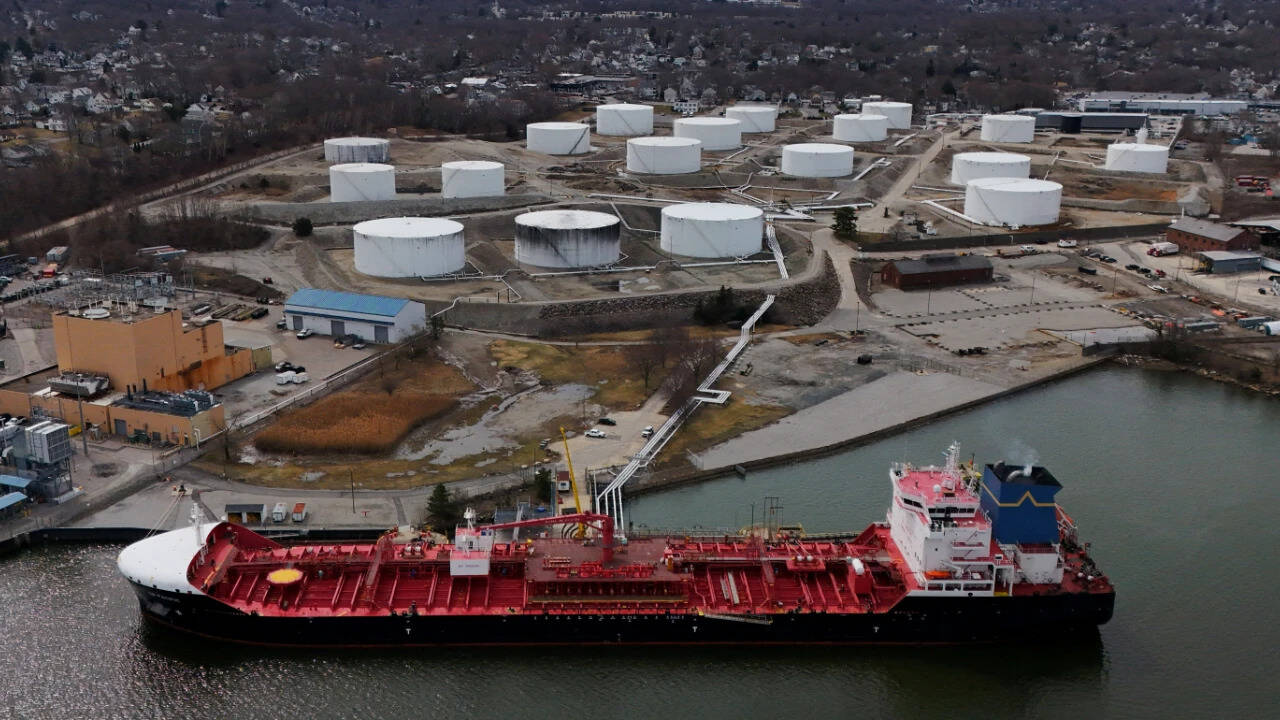
When a major steelmaker cuts hundreds of jobs in Ontario, nobody should be surprised. They should be paying attention.
Stelco Holdings Inc. recently announced it is laying off up to 500 workers across its Hamilton and Lake Erie facilities. If you think this is just an isolated corporate hiccup, you're missing the broader picture. This is about what happens when aggressive U.S. trade barriers collide with an oversupplied global market and tightly integrated North American supply chains.
You're watching a slow-motion car crash unfold in Canada's industrial heartland. And it's not stopping at Stelco.
The Real Cost of U.S. Trade Barriers
Let's look at the numbers and the sequence of events. These job cuts didn't happen in a vacuum. They follow massive downsizing plans at Algoma Steel in Sault Ste. Marie and the outright closure of ArcelorMittal's Hamilton wire-drawing mill.
Why are companies slashing production? U.S. tariffs on steel-intensive and derivative products have reached up to 50 percent in certain sectors. When American manufacturers get squeezed by these steep trade taxes, they lose sales, cut back on output, and stop buying Canadian steel.
It's a textbook domino effect. Supply chains across the border were built on decades of frictionless trade assumptions. Pull that rug out overnight, and every downstream manufacturer feels the jolt. Stelco points out that the market for its cold-rolled and galvanized products has shrunk dramatically. When the end users—ranging from automotive parts makers to appliance builders and construction equipment suppliers—face punitive cross-border costs, domestic steelmakers take the direct hit.
The Import Pressure Problem
You can't talk about Stelco without addressing the global glut of steel. There is simply way too much metal being produced worldwide, driven largely by massive overproduction out of China.
When foreign steel floods international markets at rock-bottom prices, it depresses local pricing structures. Lourenco Goncalves, the chief executive of U.S.-based Cleveland-Cliffs (which acquired Stelco in 2024), pointed out on a recent earnings call that coated steel prices in Canada trail far behind American rates. Critics argue this dynamic is worsened by Canada's failure to adequately tariff incoming cheap foreign steel, making it nearly impossible for domestic mills to turn a profit on coated products.
Of course, the picture isn't entirely uniform across every sector. Major Japanese automakers like Honda and Toyota have maintained steady production volumes in Canada, continuing to consume substantial amounts of domestic steel. Brendan Sweeney, president and chief executive of the Pacific Manufacturing Association of Canada, notes that automotive production remains surprisingly stable despite the trade noise.
Even so, stable automotive demand isn't enough to rescue structural steel mills caught in the crossfire of bilateral trade disputes and international dumping.
What Needs to Happen Now
If you run a manufacturing business or work in the industrial sector, waiting for politicians to magically solve global trade wars is a losing strategy. You have to adapt to a reality where protectionism is the default setting.
Here is what you actually need to do:
- Audit your supply chain exposure: Identify every single component or raw material coming from cross-border sources that could be slapped with sudden tariffs.
- Diversify your supplier base: Don't rely on a single mill or region. Build relationships with alternative domestic producers to insulate your operations from sudden border closures.
- Monitor trade enforcement policies: Keep a close eye on anti-dumping duties and federal trade adjustments. Governments are reacting to import pressures, and knowing when new duties take effect can save your margins.
The Stelco layoffs are a warning shot. Ignoring the cracks in our manufacturing foundation will only guarantee more pain ahead.