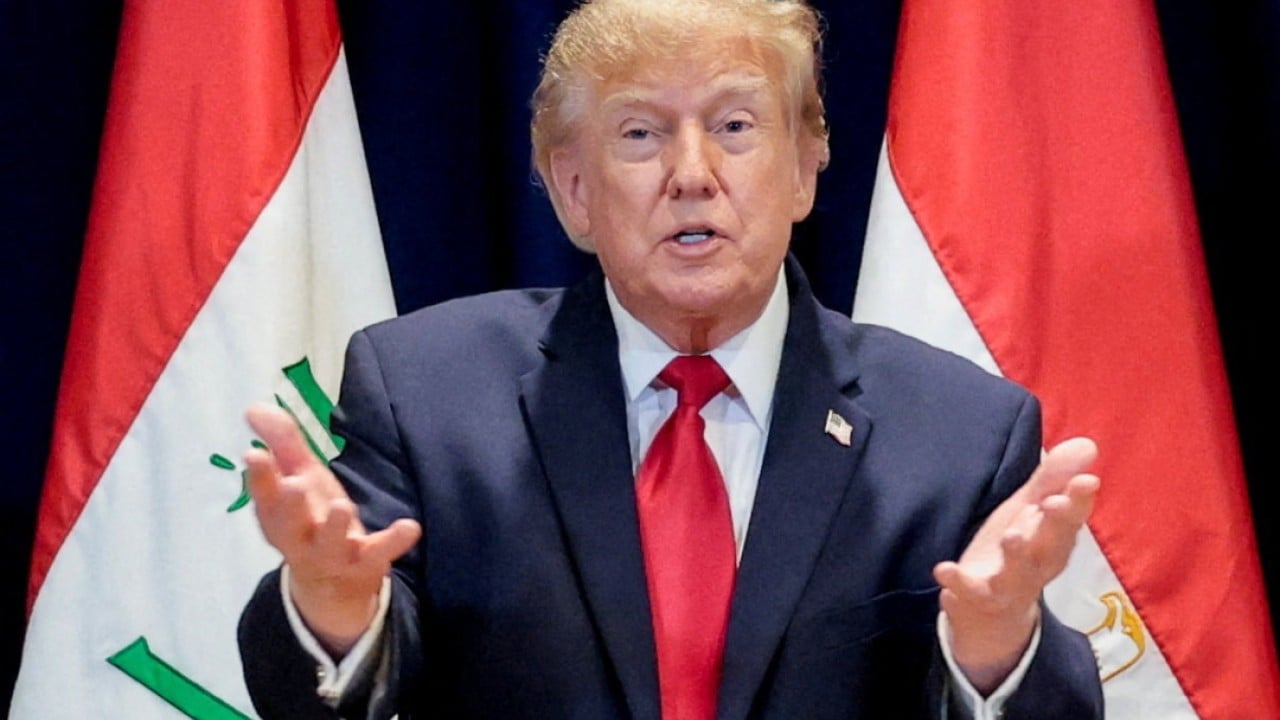
Donald Trump just threw his weight behind the India-Middle East-Europe Economic Corridor, but everyone is missing the real operational catch. On paper, IMEC sounds like the ultimate antidote to supply chain bottlenecks, offering a shiny new land-and-sea route to rival China’s Belt and Road Initiative. In reality, building a multi-nation rail and shipping highway across a region torn apart by active conflicts is an uphill battle that requires more than political endorsements.
When Trump talked up the project during meetings with Gulf and Arab leaders on the sidelines of the UN General Assembly, he pointed to a glaring vulnerability: the Strait of Hormuz and the Suez Canal are constant hostage to regional tensions. If you run your cargo through choke points controlled or threatened by hostile states, you are playing Russian roulette with your logistics budget.
Why Washington is suddenly talking about IMEC
Let's be honest about why US backing matters right now. Trump's renewed endorsement isn't just about helping New Delhi trade more efficiently with Brussels. It is about strategic routing. With regional conflicts involving Iran and commercial shipping suffering from persistent security threats, Washington wants alternative energy and cargo pathways that bypass traditional maritime chokepoints.
If you are a manufacturer shipping goods from western India to European ports, relying solely on Red Sea transit lanes has become a high-risk gamble. Insurance premiums skyrocket every time a missile flies. IMEC proposes a different path: moving goods from Indian ports to the United Arab Emirates, then across rail networks through Saudi Arabia and Jordan, before hitting the Mediterranean via Israel, and onward to Europe.
The brutal reality of building a corridor in a war zone
Of course, proposing a transit network on a PowerPoint slide is vastly different from putting locomotives on tracks. The corridor relies heavily on a web of infrastructure that is either incomplete or vulnerable to localized sabotage.
Look at the geography. You cannot simply lay down high-speed rail lines or expand port capacities while active military engagements threaten the stability of transit hubs. Even though some segments—such as rail connections across parts of the UAE—are already functional, missing links remain major roadblocks.
- Port Modernization: Upgrading facilities like the Port of Haifa or developing deep-water berths in the Gulf requires massive capital and long-term security guarantees.
- Cross-Border Treaties: Coordinating customs, tariffs, and security protocols among India, the UAE, Saudi Arabia, Jordan, Israel, and European nations is a diplomatic nightmare.
- Physical Security: A rail line is only as strong as its most exposed kilometer. A single sabotage operation in a volatile desert or contested border area can halt an entire trade artery.
Moving from a single line to a network
Analysts point out that the ongoing security crisis hasn't killed the logic of IMEC; rather, it has shattered the illusion of a single gateway. If you treat IMEC as a straight line, it breaks the moment one country goes up in flames.
The strategy must shift toward building a redundant network. Shippers need alternative entry points, backup rail spurs, and flexible maritime detours. If one terminal shuts down, cargo needs to reroute seamlessly without stranding billions of dollars in inventory.
What businesses must do now
If you manage global supply chains or rely on Euro-Asian trade routes, don't hold your breath for IMEC to solve your immediate logistics headaches tomorrow. The project is a long-term strategic play.
Start hedging your bets right now. Diversify your freight forwarders, build buffer stock for critical components that rely on Middle Eastern maritime paths, and keep a close eye on regional diplomatic alignments. Trump's backing gives the corridor political oxygen, but survival depends entirely on whether the participating nations can secure the ground beneath the tracks.