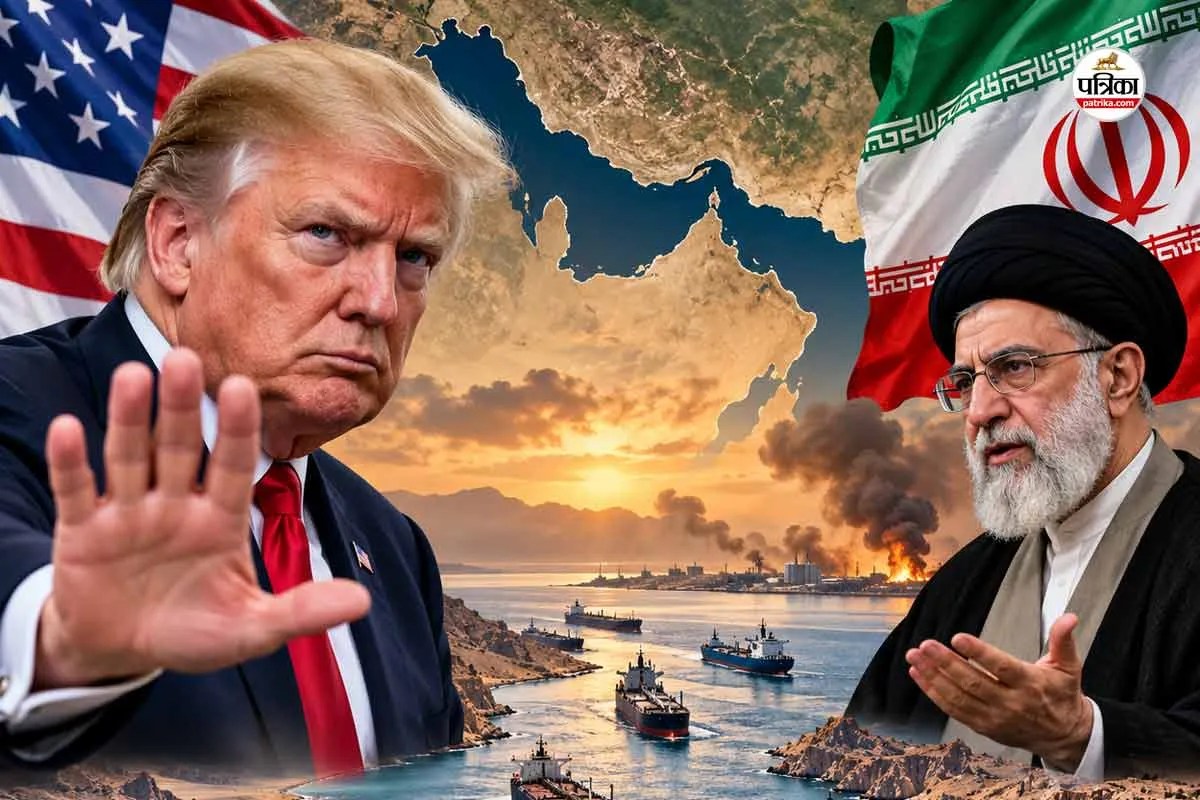
Geopolitics rarely moves in a straight line, but when the Strait of Hormuz is involved, the stakes instantly affect global energy markets and supply chains everywhere. Donald Trump just shut down Iran's proposed roadmap to reopen the crucial maritime chokepoint, leaving international diplomats scrambling and energy traders on edge.
If you're wondering why Tehran made its move now or what Washington's refusal actually means for the broader Middle East crisis, you aren't alone. Let's break down what's happening behind closed doors.
The Backchannel Deal That Fell Apart
During the United Nations General Assembly, whispers of a backchannel agreement began circulating through diplomatic circles. Qatar acted as the primary mediator, passing messages back and forth between Washington and Tehran.
Iran's foreign minister, Abbas Araghchi, outlined a specific seven-day timeline. According to Tehran's proposal, if the US lifted naval blockades on Iranian ports, eased crippling oil export sanctions, and committed to a strict ceasefire, Iran would initiate steps to reopen the Strait of Hormuz within a week. They even dangled the carrot of returning to stalled nuclear program talks.
It sounded like a pragmatic exit ramp from escalating tensions. Washington saw it differently.
Why Washington Said No
Donald Trump didn't mince words when he confirmed that he rejected the Iranian proposal. The calculation in the White House comes down to economic pressure and leverage.
American officials believe Tehran is offering concessions purely out of desperation. The ongoing naval standoff and economic sanctions have squeezed Iran's oil-dependent economy hard, creating severe domestic revenue shortages. From Trump's perspective, accepting a conditional roadmap crafted by a pressured adversary doesn't make strategic sense when maximum pressure is already yielding results.
Instead of negotiating on Iran's terms, the administration prefers maintaining economic and military dominance.
The Global Economic Risk of a Closed Hormuz
You can't talk about this crisis without looking at the geography. The Strait of Hormuz is the world's most critical energy chokepoint. A massive share of global petroleum and liquefied natural gas passes through this narrow corridor daily.
When traffic through Hormuz faces disruptions, energy markets react violently. Importers worldwide bear the brunt of rising shipping insurance costs and inflated crude prices. Even temporary standoffs send immediate shockwaves through Asian and European markets, making this a global concern rather than a localized border dispute.
Whispers of Military Action
The rejection of Tehran's plan opens the door to darker possibilities. Recent reports citing intelligence and diplomatic circles point to discussions among Trump's inner circle regarding potential military options against Iran, with timelines sometimes whispered around upcoming midterm political cycles.
While military action remains speculative and subject to shifting diplomatic winds, the refusal to engage on Tehran's roadmap increases the probability of a prolonged stalemate.
Where Diplomacy Goes From Here
Right now, the ball sits firmly in Washington's court, but Tehran is waiting for a formal written response rather than casual remarks.
If you're tracking how this unfolds, watch for whether alternative mediators can salvage parts of the discarded proposal or if both sides dig in for a harsher confrontation. The margin for error in the Persian Gulf is razor-thin, and the next move will define the economic and security landscape for months to come.