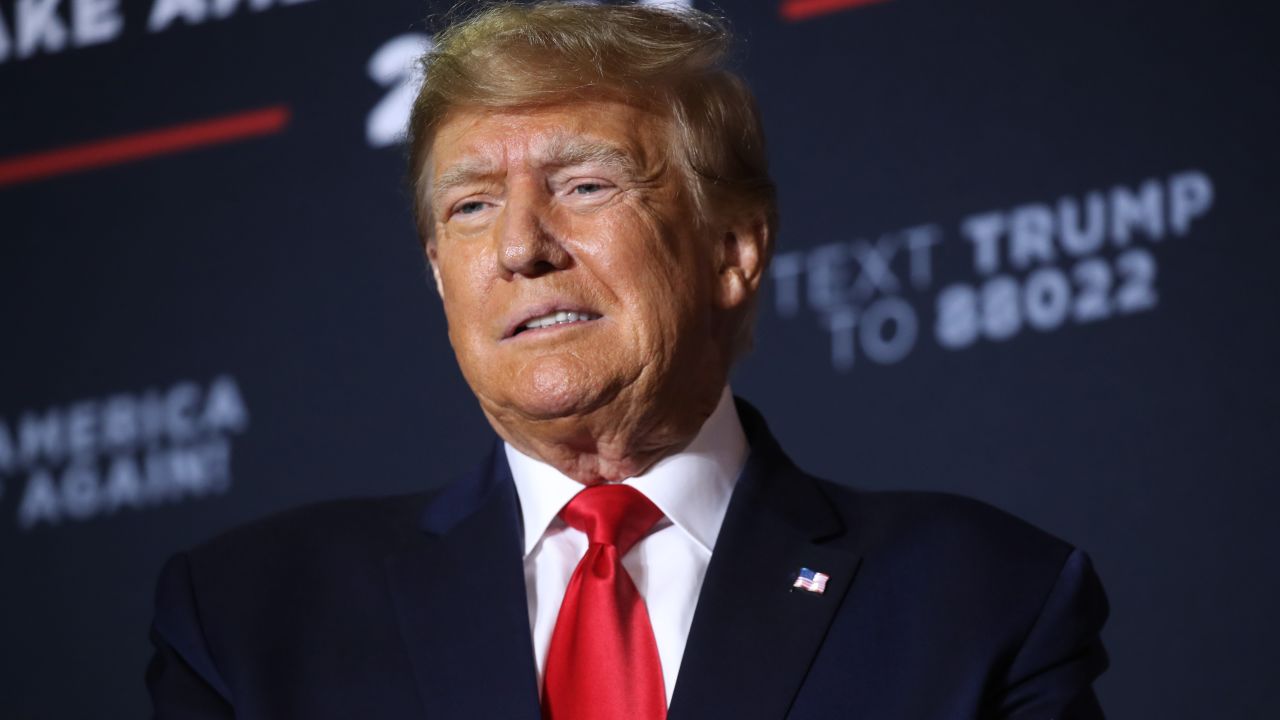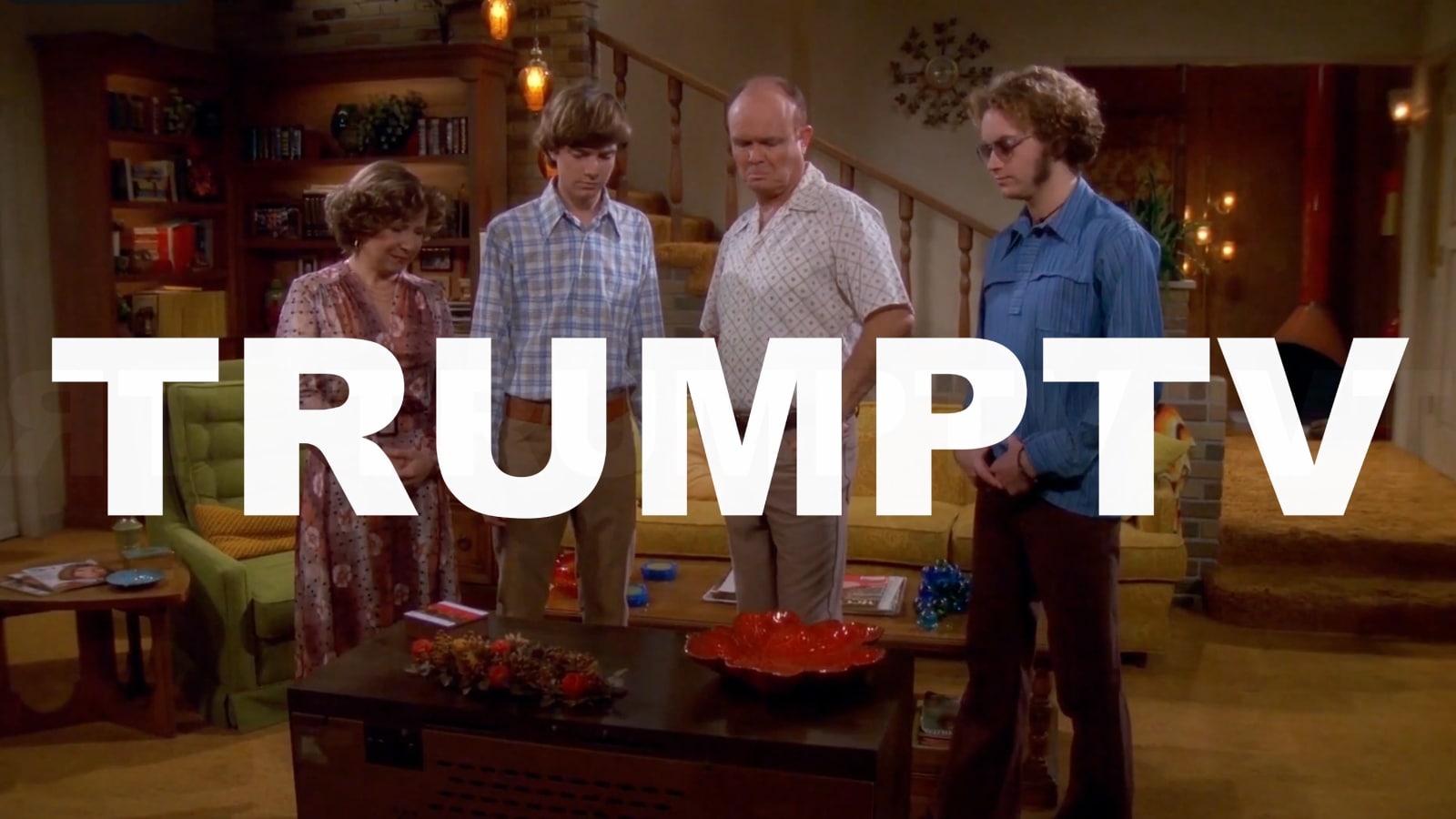
Donald Trump didn't just ban reporters from the executive mansion over the weekend; he built an alternative universe to broadcast around them. When the White House launched its 24/7 digital video stream called TRUMP TV: The Essentials Station, it wasn't a casual media experiment. It was a calculated strike against the traditional press corps, arriving mere hours after CNN, MS NOW, and Politico filed a federal lawsuit challenging their sudden loss of press credentials.
If you think this is just another routine political spat between an American president and journalists, you're missing the bigger picture. We're watching the complete rewiring of how the executive branch communicates with the public.
The Anatomy of a White House Ban
The confrontation started when journalists from CNN, MS NOW, and Politico arrived at the security gates only to find their press badges deactivated and confiscated by Secret Service officers. There was no formal hearing, no grace period, and no specific violation cited. Trump simply pointed to years of cumulative reporting he deemed unfair and pulled the plug on their access.
The targeted news outlets didn't waste time. Partnering up, they filed a lawsuit in a Washington, D.C. federal court, arguing that a government official cannot strip press freedoms simply because they dislike an outlet's editorial stance. The case landed squarely on the desk of U.S. District Judge Timothy Kelly, an appointee from Trump's first term who previously handled Jim Acosta's famous 2018 press credential battle.
Yet while lawyers prepare for emergency hearings, the physical reality inside the complex has already shattered. ABC, CBS, Fox News, and NBC joined a dramatic protest, suspending their participation in the rotating television pool after CNN was ejected from its scheduled duties.
Enter Trump TV
With the traditional television pool collapsing under boycotts and bans, the administration filled the vacuum immediately. The White House debuted its own digital feed designed to stream presidential remarks, announcements, and highlights straight to the public via YouTube.
Instead of relying on independent network cameras to capture the president's movements, the administration is bypassing intermediaries entirely. Critics call it a dangerous step toward state media. Supporters view it as a necessary workaround against a hostile press ecosystem.
Whichever side you lean on, the tactical shift is undeniable. Governments have always spun their narratives, but packaging the executive office into a branded 24/7 streaming network changes the power dynamics completely. When journalists can't get past the gate, direct-to-consumer digital broadcasting becomes the ultimate shield and sword.
What Happens When the Press Pool Breaks
The rotating press pool exists for a practical reason. The Oval Office and Air Force One simply cannot hold thousands of reporters at once. For decades, a trusted group of print, wire, photo, and broadcast journalists shared the burden of covering the president on behalf of the entire global press corps.
When you break that cooperative mechanism, the flow of independent verification breaks with it. Independent reporting requires physical proximity. It demands the ability to shout questions down corridors, spot unexpected details, and hold officials accountable in real time.
Trump's strategy relies on a simple calculation: if the public grows accustomed to receiving its presidential footage pre-packaged and filtered directly through official channels, the demand for independent, critical journalism starts to wither.
The Legal Hurdle Ahead
The courts have established precedent protecting journalists from arbitrary viewpoint discrimination. Back in 1977, the D.C. Circuit ruled that revoking press credentials based on the content of a reporter's speech violates the First Amendment.
Trump isn't backing down. He took to social media to lash out at the lawsuits, questioning why he should grant access to organizations that write critically and calling independent media a threat to national security.
As Judge Kelly weighs the request for a temporary restraining order, the standoff highlights an uncomfortable truth. Constitutional protections mean little if the executive branch decides to absorb the legal costs and rewrite the rules of engagement on the fly.
Keep your eyes on the courtroom this week, but pay closer attention to how digital streams replace traditional press rooms. The battle for the microphone isn't over. It's just getting louder.