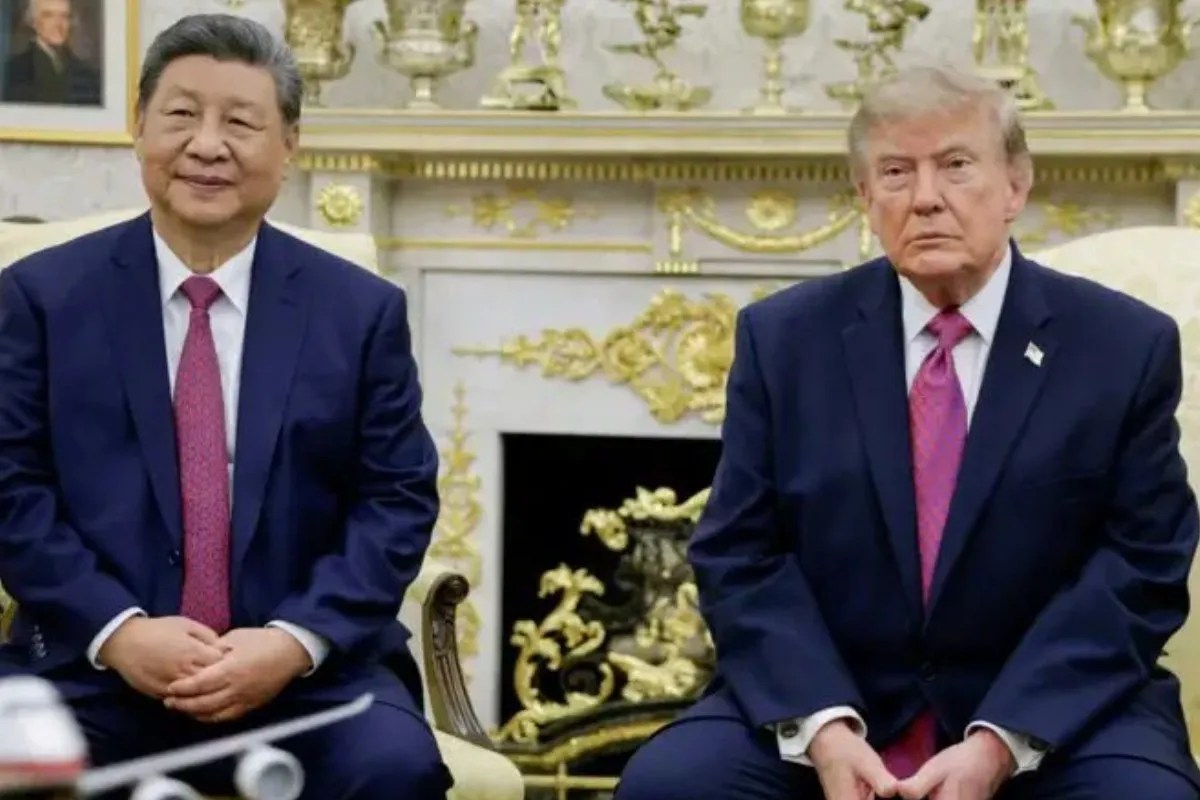
Geopolitics doesn't usually pivot overnight. Yet, when leaders talk behind closed doors, the official narrative often misses the actual shift. You've probably seen the headlines about high-level summits, but nobody is talking about how the vocabulary of global technology is changing in real-time.
Forget artificial intelligence for a second. The terminology is moving toward grander scales. When Washington and Beijing start aligning on terminology like super intelligence alongside heavy-duty resource agreements and Middle Eastern stability, you need to pay attention. This isn't just diplomatic theater. It's a fundamental recalibration of how the world's two largest superpowers plan to divide influence, resources, and technological boundaries over the next decade.
The Semantic Shift From Artificial Intelligence to Super Intelligence
Words matter. When high-level delegations negotiate the boundaries of future tech governance, they don't pick terms by accident. For years, the industry standard has been artificial intelligence. It's broad, generic, and frankly, a bit dated.
During recent high-stakes diplomatic exchanges reminiscent of the Trump Xi summit dynamics, the conversation shifted. Officials began leaning toward the term super intelligence to describe next-generation computational capabilities that outstrip human control limits. Why does this matter to you? Because regulatory frameworks follow definitions. If the legal and diplomatic consensus shifts from managing basic machine learning models to supervising super intelligence, the compliance costs, export controls, and security clearances change overnight.
Tech giants in Silicon Valley and Shenzhen are already rewriting their internal compliance playbooks. They aren't waiting for formal treaties. They see the writing on the wall. When superpowers agree on a baseline definition for advanced systems, local markets have to adapt or get locked out of cross-border supply chains.
The Energy Reality Behind the Tech Talk
You can't run advanced computational clusters on good intentions. You need power. Massive amounts of it. That brings us to the coal and energy provisions that routinely slip past casual observers during these bilateral talks.
Energy security drives foreign policy. While climate rhetoric dominates public speeches, practical infrastructure demands brutal realism. Modern data centers require constant, baseload power. Renewable grids alone aren't cutting it yet for heavy industrial AI workloads. This is why resource negotiations, including coal and traditional energy security, keep popping up alongside futuristic tech talks.
- Data centers demand continuous baseload power that wind and solar cannot always guarantee on demand.
- Bilateral resource deals ensure that critical manufacturing hubs don't face sudden blackouts during peak computational cycles.
- Supply chain stability overrides short-term political posturing when survival of domestic tech sectors is on the line.
If you are running a business or investing in tech infrastructure, ignore the public press releases. Look at the energy grid investments. That is where the actual commitments lie.
Navigating the Middle East and the Iran Crisis
Technology and energy don't exist in a vacuum. They collide directly with active geopolitical flashpoints, especially in the Middle East. When the Iran crisis flares up, global shipping lanes stutter, oil prices spike, and semiconductor supply chains feel the shockwaves.
Superpowers hate uncertainty. Even strategic rivals like the United States and China find common ground when economic instability threatens their home fronts. Nobody wants a runaway energy shock that derails domestic growth.
Why Crisis Management Trumps Rivalry
When regional tensions threaten global stability, backchannel diplomacy kicks into high gear.
- Supply chain protection becomes priority number one for both Washington and Beijing.
- Energy market stabilization stops inflation from spiraling out of control in domestic markets.
- Open lines of communication prevent minor regional clashes from escalating into direct confrontation.
You have to look past the public posturing. Media outlets love to paint international relations as a zero-sum game of constant hostility. The reality on the ground is much more transactional. They fight over trade rules by day, and coordinate on crisis containment by night.
What This Means For Your Strategy Moving Forward
Stop treating international tech policy and global summits as distant news that only affects diplomats. These shifts hit your portfolio, your business continuity, and your career options directly.
If you are building products or managing investments, map your dependencies. Look at where your energy comes from, who supplies your compute hardware, and how regulatory changes in terminology affect your compliance obligations. Anticipate stricter definitions around advanced computing power. Secure your supply chains against regional energy shocks before the headlines force your hand.
Take a hard look at your operational exposure today. Diversify your energy sources, audit your tech stack for cross-border dependencies, and stay ahead of the regulatory curve before the new definitions become law.