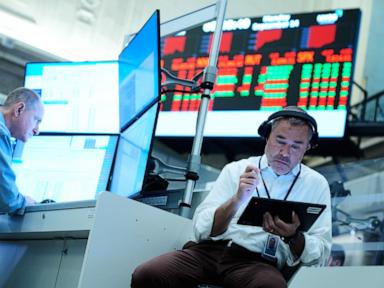
Wall Street refuses to panic. Even when energy markets flare up and bond yields threaten to choke economic growth, the major indexes hang remarkably close to their record peaks.
If you look at the headline numbers, US stocks drift near their all-time high despite crude oil prices reversing a weeklong downward slide. Brent crude bounced back above $100 per barrel, dragging Treasury yields upward and immediately making borrowing more expensive for businesses and consumers alike.
So why isn't the market tanking? Let's break down what's actually happening beneath the surface of these trading sessions.
The Oil Connection and Treasury Yields
Oil dictates everything. When crude prices rise, inflation fears immediately return to the front burner. That script played out again when Brent crude climbed roughly 1.3% to $100.55 per barrel, halting a multi-day slide that had given investors brief relief.
That single move in energy prices sent ripples straight into the bond market. The 10-year Treasury yield crept up to around 4.99%, lingering dangerously close to the psychological 5% threshold touched last week for the first time since 2023.
Higher yields act as a severe economic headlock. When borrowing costs rise, corporate expansion slows down, mortgages get pricier, and companies face steeper debt-servicing bills. Yet, equity markets absorbed the blow with surprising resilience. The S&P 500 dipped a fraction of a percent, the Dow Jones Industrial Average dropped about 107 points, and the Nasdaq saw modest losses. Traders aren't popping champagne, but they aren't selling off in terror either.
Real Economic Strain on Main Street
Wall Street might be shrugging off the daily noise, but real companies are feeling the pinch. Executive commentary from bellwether firms reveals a much more cautious consumer base than what stock charts imply.
KB Home executive chairman Jeffrey Mezger recently pointed directly to stubborn geopolitical instability and broader macroeconomic headwinds after reporting a 1% dip in company stock. General Mills echoed similar sentiments, highlighting a persistently challenging backdrop for everyday shoppers.
Inflation fatigue is real. Consumers are tightening their spending habits, dealing with sticky costs at the grocery store, and reacting defensively to higher energy bills. When crude stays nearly $30 higher than it sat at this exact time last year—fueled largely by ongoing military tensions involving Iran—everyday operational expenses cascade down to the average household.
Geopolitics Meets the Trading Floor
Markets don't operate in a vacuum. Traders are currently juggling heavy geopolitical risks that extend far beyond standard earnings reports and interest rate projections.
Statements from Washington about military decisions in the Middle East keep energy traders perpetually on edge. At the same time, high-stakes diplomatic summits—such as Chinese President Xi Jinping's visit to Washington to meet with President Donald Trump—remind everyone that global trade and artificial intelligence policy remain massive wildcards.
Investors are pricing in a messy, complicated global landscape. They know things could break bad quickly. But they also know that cash sitting on the sidelines earns very little compared to companies capturing massive secular tech trends. That push-and-pull explains why the market is currently drifting sideways rather than crashing downward.
What You Should Do Right Now
Stop trying to time the exact top of the market. If you panic every time the 10-year Treasury yield ticks up or crude oil spikes a couple of bucks, you'll drive yourself crazy.
Instead, look at your portfolio's exposure to debt. Companies with heavy floating-rate debt loads are going to struggle while yields hover near 5%. Focus your attention on cash-rich businesses with pricing power that can pass higher input costs straight to the consumer without losing volume. Keep an emergency cash reserve, ignore daily market chatter, and stick to your long-term asset allocation plan.


