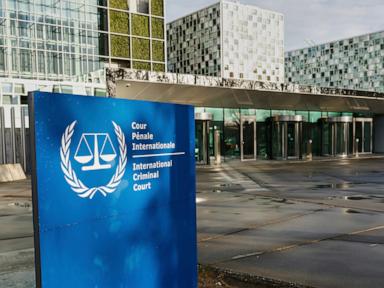
The Hague is on edge. Dutch officials are quietly scrambling behind closed doors as the United States prepares to hit the International Criminal Court with a severe package of financial penalties. You wouldn't normally expect a NATO ally to target a global tribunal based on European soil, but Washington's aggressive posture has crossed a new line.
If you are wondering why the Netherlands is taking the brunt of this diplomatic shockwave, it comes down to geography and host obligations. The Dutch government isn't just watching from the sidelines. They are actively trying to figure out how to keep payroll running, protect endangered witnesses, and maintain high-security detention facilities if American financial and tech restrictions lock the court out of the global economy entirely.
Why Washington is Targeting the Tribunal
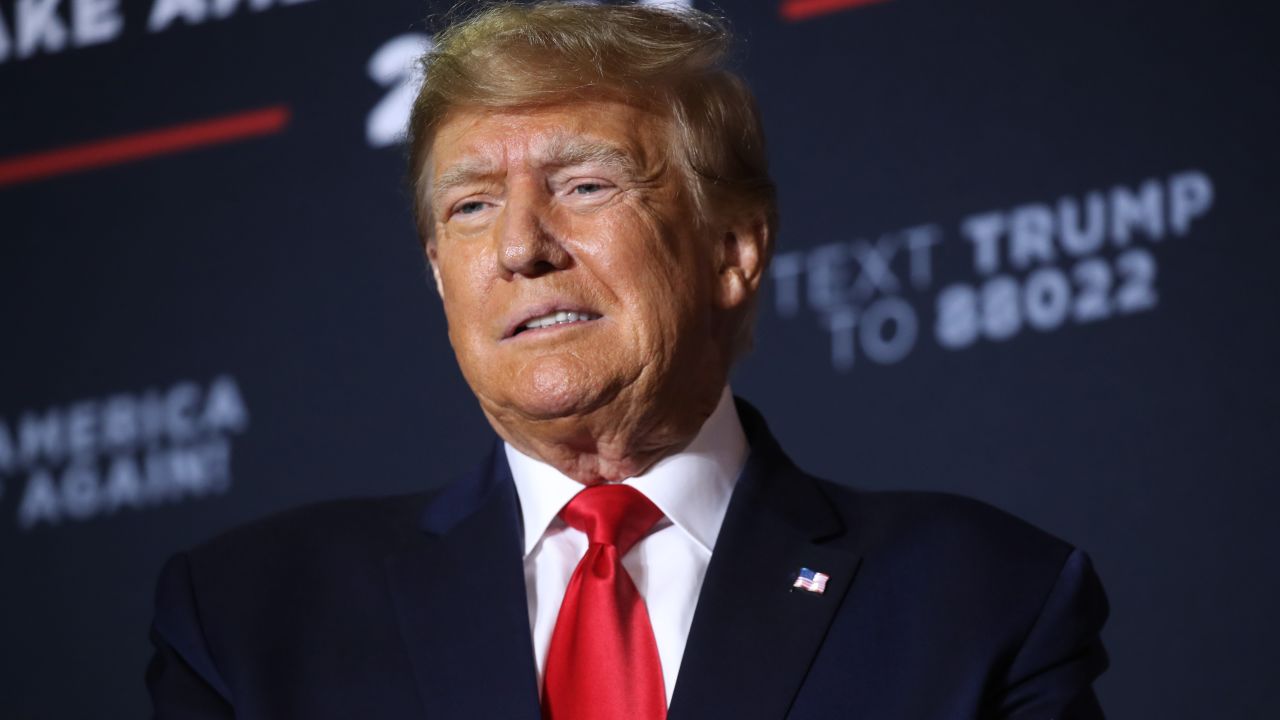
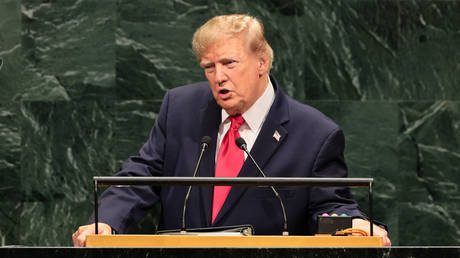
The Trump administration isn't hiding its motives. Secretary of State Marco Rubio has openly described the campaign as an effort to dismantle what Washington views as a politicized, rogue international body. The friction stems directly from the court’s investigations into non-member states—specifically the United States and Israel.
When the tribunal issued arrest warrants for top Israeli officials like Prime Minister Benjamin Netanyahu over the Gaza conflict, the response from Washington was immediate and hostile. The U.S. has never signed onto the Rome Statute, much like China, Russia, India, and Israel. American leaders have long argued that foreign tribunals have no jurisdiction over U.S. military or political personnel.
More than a dozen current and former court staffers, including half of the sitting judges, have already faced individual U.S. penalties. When former prosecutors were hit with restrictions, their bank accounts froze, Microsoft locked their professional emails, and travel bans cut them off instantly. Now, the impending broad-scale sanctions threaten to paralyze the entire institution by blocking access to standard banking channels, IT infrastructure, and international payment networks.
The Scramble for European Workarounds
The court hasn't been sitting idle while waiting for the hammer to drop. For months, internal teams have quietly purged American tech dependencies from their daily operations. The tribunal migrated away from Microsoft systems earlier this year, switching to a German software provider. They have also restructured insurance and financial services to favor European firms with zero corporate footprint inside the United States.
Even with these precautions, the institution remains highly vulnerable. Dutch authorities are pushing for a six-month transition grace period. They argue that severing deep-rooted corporate ties overnight exposes American and international firms to catastrophic fines if they accidentally trip over U.S. compliance wires.
Meanwhile, Brussels faces a legal maze. The European Union has a well-known "blocking statute" designed to shield European companies from extraterritorial U.S. measures. But lawyers point out a glaring loophole. Because the ICC is an independent international organization rather than a standard European corporate entity, it remains an open question whether the statute offers any real protection at all. While individual EU citizens are guaranteed basic bank accounts under European rules, that protection does not extend to credit card processing or broader international transaction rails.
Global Fallout and Member Defections
The pressure campaign extends far beyond Europe. Washington has actively lobbied member states to abandon the institution. A handful of nations have already started pulling back. Chad and Venezuela announced plans to exit the tribunal, with Chadian officials explicitly pointing to American pressure during diplomatic phone calls as a key factor in their reassessment.
For the 125 remaining member states, the stakes couldn't be higher. If a global superpower can effectively cripple an international judicial body through unilateral financial warfare, the precedent changes global accountability for war crimes permanently.
Review your security protocols, audit your international supply and compliance chains for unexpected U.S. jurisdiction touchpoints, and monitor upcoming Treasury Department designations closely.