The Department of Justice just dropped a legal filing that completely redefines how executive power interacts with the free press. If you think the ongoing courtroom showdown over White House press credentials is just standard political theater, you're missing the entire constitutional mechanics at play.
When the administration yanked the hard passes of journalists from CNN, MS NOW, and POLITICO without warning, it triggered an immediate joint lawsuit. But the government's defense filing in federal court didn't back down. The DOJ drew a hard line in the sand, arguing explicitly that entering the White House complex is a privilege rather than a constitutional right, while leaning heavily on national security justifications. Also making waves lately: Why The Cuban Delegation Walked Out On Trump At The United Nations.
You need to understand what this means for the future of journalism.
The Core Argument From the Justice Department
The legal filing submitted by DOJ attorneys rests on a foundational premise: the president's home and workplace as commander-in-chief demands absolute discretion over physical entry. Government lawyers argued that maintaining operational decorum and protecting sensitive information give the executive branch broad authority. Further details regarding the matter are explored by The Washington Post.
According to the filing, reporters from the excluded outlets allegedly failed to meet basic minimum standards of professionalism and decorum. More critically, the administration claimed these organizations published sensitive or classified information that directly threatened national security.
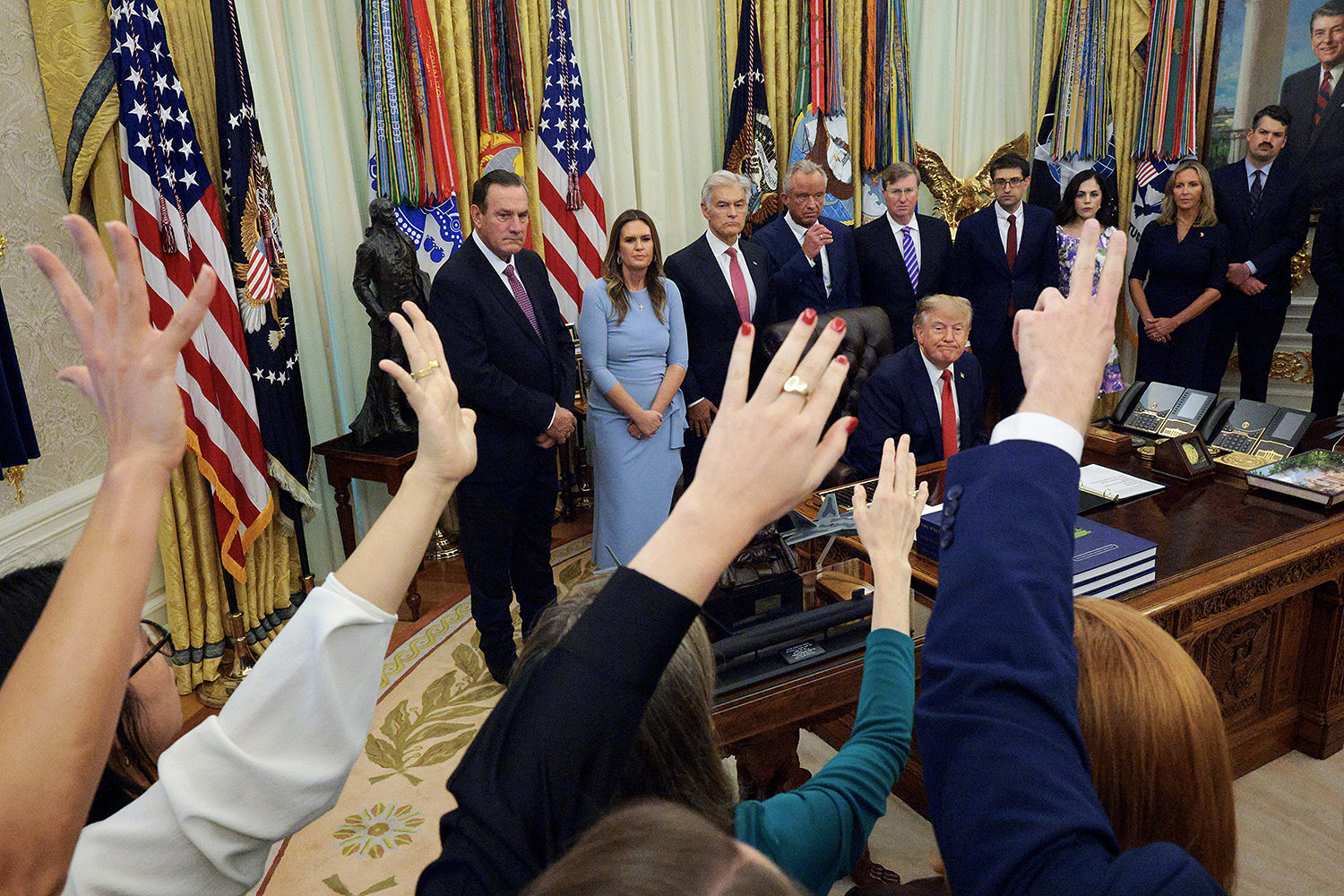
The DOJ's brief stated bluntly that the government retains the right to control access to restricted presidential areas—such as the Oval Office—even for viewpoint-discriminatory reasons. That phrase alone is causing shockwaves among First Amendment advocates. It strips away the comforting fiction that physical access rules apply neutrally to every media outlet.
Why the Retaliation Defense Falls Short for Critics
The administration tried to sidestep claims of political retaliation by arguing that the same restrictions would have occurred regardless of the outlets' critical coverage. They noted that other highly critical media organizations still retain their hard passes.
Yet, media freedom groups aren't buying it. The joint lawsuit filed by the affected organizations highlights a terrifying precedent. If an administration can revoke press credentials simply by labeling critical reporting a threat to national security, the threshold for silencing independent reporting drops to zero.
Think about the practical reality. Reporters rely on physical proximity to question officials, spot subtle shifts in policy, and maintain accountability. Stripping those credentials cuts off the vital flow of real-time information.
Due Process and the Battle for a Temporary Restraining Order
The immediate legal scramble centers on a temporary restraining order request to force the government to hand back the badges. The DOJ countered by claiming the plaintiffs hadn't demonstrated true irreparable harm and that the balance of equities favors the government.
Furthermore, the government claimed the news organizations received adequate notice and a chance to contest findings. The plaintiffs vehemently disagree, stating their badges were confiscated on the spot with zero administrative process.
This tension exposes a massive gray area in administrative law. While past court rulings—such as those involving previous suspensions of individual journalists—established that due process protects against arbitrary revocation of press passes, the current invocation of national security creates a heavy legal shield for the executive branch.
What Happens Next for White House Access
The federal court's upcoming decision on the restraining order will set a major benchmark for executive power. If the court accepts the national security defense, future presidents gain a blunt instrument to shape the makeup of the briefing room.
Watch the wording of the upcoming rulings closely. The intersection of national security and press freedom is shifting right before our eyes, and the outcome will dictate how reporters cover the executive branch for years.