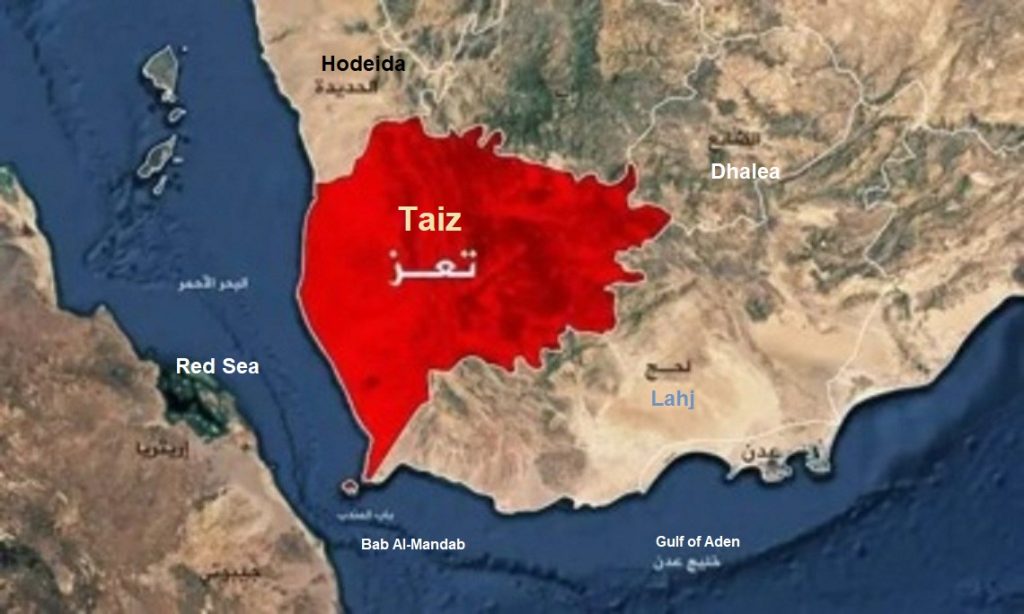
The ground in Yemen is shifting again. If you've been watching the conflict from afar, you might think it's been locked in a permanent stalemate. It hasn't. Recently, government-aligned forces backed by regional coalitions have aggressively widened their offensive against the Iran-backed Houthis, pushing heavy counterattacks across critical frontlines in Taiz, Hodeidah, and the rugged mountainous terrains stretching toward Lahj.
Troops captured strategic positions like Mount Na'aman, altering the tactical balance in the southwest. This isn't just a minor skirmish. It's a calculated escalation aimed at securing vital shipping lanes and protecting civilian air traffic in the southern Red Sea and the Bab al-Mandab Strait. You might also find this similar story interesting: Why India Sticking To The Two-state Solution Matters Right Now.
What Triggered the New Offensive
You have to look at the immediate military triggers behind this push. Houthi movements haven't stayed local. Government military spokespersons recently reported detecting heat-seeking missiles launched from Hodeidah, allegedly with support from the Iranian Revolutionary Guard. These aren't precise systems. They pose an immense, indiscriminate threat to international commercial shipping and civilian air routes navigating one of the busiest maritime choke points on earth.
When the Houthis expanded drone and missile usage, the Yemeni government responded by widening its own targeting scope. Forces didn't just defend positions. They took the fight directly to Houthi launch pads, supply lines, and strongholds in Taiz. As highlighted in detailed articles by Al Jazeera, the effects are significant.
The Strategic Importance of Taiz and the Western Coast
Geography dictates everything in this war. Taiz remains the fractured heart of the country, a heavily contested governorate sitting on the key supply arteries. Control over high ground like Jabal Numan gives government units a commanding view of surrounding valleys and transit routes.
Along the western coast near Mokha and the Bab al-Mandab Strait, clashes have grown vicious. Both sides know what's at stake. If the government secures the mountain ranges stretching from Taiz to Lahj, they choke off vital Houthi supply lines running toward the coast. If they fail, maritime security remains permanently compromised.
Yet, terrain is a brutal adversary. Rugged mountains and deeply entrenched Houthi fighters mean that every single meter of advancement comes at a high cost. Heavy artillery exchanges and airstrikes have battered local infrastructure, leaving civilians caught in the crossfire as commercial markets and residential zones absorb the impact of renewed warfare.
What the International Community Misses
Most mainstream reports treat these clashes as isolated local flare-ups. They aren't. They reflect a broader, fragile regional dynamic where frozen ceasefires are constantly on the verge of shattering. International envoys warn that allowing military fronts to freeze completely simply gives armed groups room to rearm, redeploy, and prepare for larger offensives.
At the same time, human rights monitors are sounding alarms. Escalating airstrikes and counter-offensives inevitably trigger civilian casualties, exacerbating one of the worst humanitarian crises in the modern world. Food insecurity, displaced populations, and decimated medical systems mean that every tactical victory on a mountain ridge comes with severe human costs on the ground.
The current escalation proves that a lasting political settlement remains distant. As government forces press their advantage in Taiz and protect the Red Sea corridors, the Houthis show no signs of backing down. Expect further localized flare-ups to shape the trajectory of the conflict in the coming months.
Government forces expand range of strikes in Taiz and seize Mount Na'aman
This video provides an on-the-ground report regarding the Yemeni government forces' expanded airstrikes in Taiz and their strategic seizure of Mount Na'aman.
http://googleusercontent.com/youtube_content/1