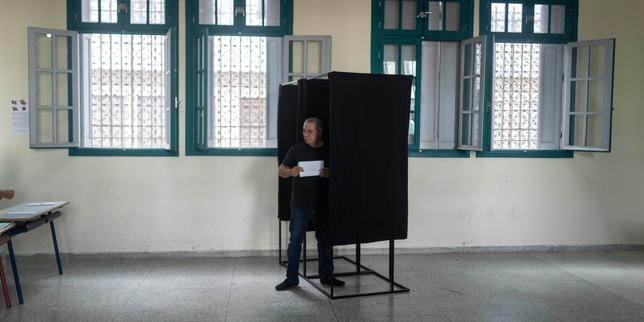
Getting people to care about ballot boxes when grocery bills keep climbing is basically an impossible task. During the September 2026 legislative elections in Morocco, the air across major cities felt less like a festival of democracy and more like a quiet shrug. Walk down a street in Casablanca or Rabat, and you will notice something loud in its absence: genuine excitement.
When participation clocks in at around 38 percent by the close of polls, you are looking at more than just voter fatigue. You are staring right at a deep, systemic disconnect between everyday citizens and the political class.
The Reality Behind the Numbers
Let us look at what actually happened on the ground. Turnout trickled in slowly, sitting near 11 percent by midday before creeping up to finish at 38 percent. Politicians talk a lot about civic duty, but citizens talk about inflation, stagnant wages, and high unemployment rates.
When your primary daily challenge is figuring out how to afford basic goods, standing in line to vote for candidates you don't trust feels like a waste of time. People are tired of hearing grand promises during campaign seasons that evaporate the moment the votes are counted.
Why Disillusionment Rules the Streets
The political landscape features familiar faces and heavy hitters like the National Rally of Independents (RNI) and the Authenticity and Modernity Party (PAM), alongside historical contenders like the Istiqlal party and opposition groups like the Justice and Development Party (PJD). Yet, voters don't see these parties as vehicles for real transformation.
Instead, a pervasive sense of resignation takes over, especially among the younger demographic. Young people make up a massive slice of the population, but they often feel completely alienated from decision-making halls. They see campaign slogans about youth empowerment and value addition as empty talking points disconnected from their reality.
What Abstention Really Communicates
Some analysts dismiss low turnout as mere apathy. That is lazy thinking. Abstention in this context is a deliberate choice, an active form of political communication. When millions of eligible voters stay home, they send an unmistakable signal to the establishment. They are saying that the current institutional offerings don't address their immediate struggles with education, healthcare, and job creation.
If you want to understand where Morocco's democracy is heading, stop looking only at the winning seats or coalition talks. Look instead at the silent majority who decided their time was better spent elsewhere. Real reform won't happen until political actors bridge this massive trust gap and prove they can deliver tangible improvements to everyday life.
Législatives 2026: la participation atteint 38% à la clôture du scrutin